
Greening Around Mobile Toilets
The greening around mobile toilets requires comprehensive consideration of isolation, aesthetics, ecology, and functional needs, with specific requirements and practices as follows:
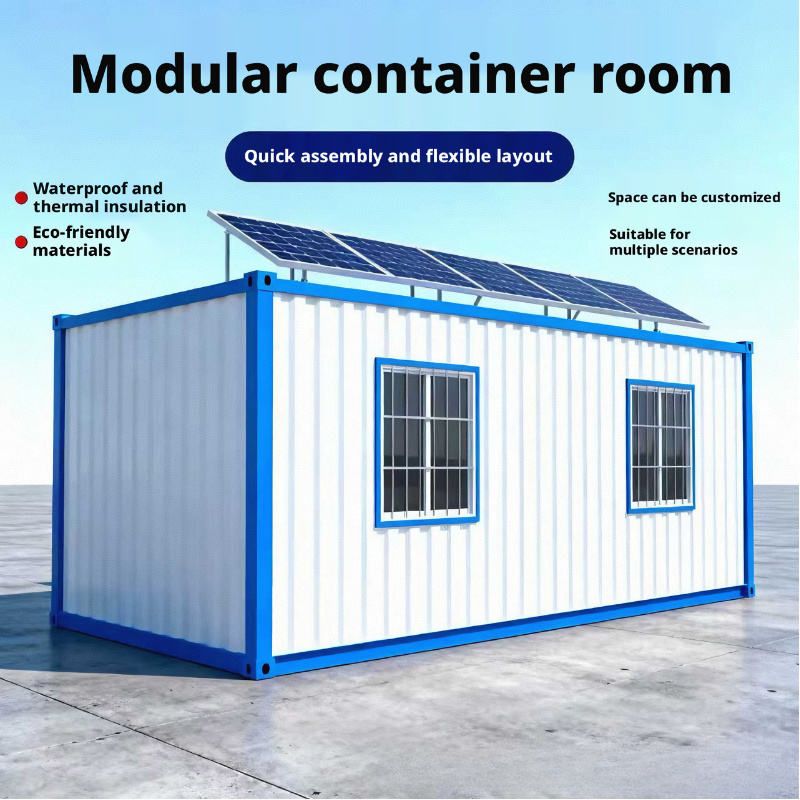
1. Green Isolation Belt Setup An isolation belt with a width of no less than 3 meters should be established between standalone mobile toilets and adjacent buildings. Its core functions include: shielding the visual impact of public toilets through plant barriers, reducing the spread of odors to surrounding areas; utilizing vegetation to absorb some odor gases and improve local air quality; and beautifying the environment through greening to alleviate any psychological discomfort caused by public toilets. The width of the isolation belt should be flexibly adjusted according to the scale of the public toilet and the surrounding environment to ensure effective shielding.
2. Principles for Selecting Greening Plants Priority should be given to evergreen, pruning-tolerant, and easy-to-maintain plant species, such as evergreen shrubs like boxwood and pittosporum, or colored hedges like photinia fraseri and ligustrum japonicum var. aureum. These plants can maintain continuous seasonal landscapes and their low-growing forms do not affect the ventilation and lighting of public toilets. Avoid planting tall trees or deciduous plants to prevent root damage to underground pipelines or leaf blockage of drainage systems. For ecological mobile toilets, drought-tolerant local plants such as sedum lineare and sedum sarmentosum can be planted on the roof to form lightweight greening modules, increasing green coverage while reducing irrigation needs.
3. Landscape Coordination and Beautification Design Greening should blend with the surrounding environment to avoid a jarring appearance. Flowers (such as roses and petunias) or low-growing ornamental plants (such as ophiopogon japonicus and hosta) can be planted at the edges of the isolation belt to enhance visual appeal through color contrast. Ecological mobile toilets can incorporate innovative designs based on structural characteristics: for example, utilizing the empty space beneath the structure to set up vertical planting troughs to compensate for ground green area; or forming three-dimensional landscapes through modular roof greening, making the public toilet an ecological node in the environment.
4. Barrier-Free and Functional Guarantees Greening design must not obstruct barrier-free access, ensuring a channel width of ≥1.5 meters, a slope of ≤1:12, and a flat, slip-resistant surface. The wheelchair turning space outside barrier-free toilet doors must have a diameter of ≥1.5 meters, and surrounding greening must not occupy this area. Additionally, the greening area should be equipped with an independent drainage system to prevent rainwater accumulation and odor backflow; plant roots should maintain a safe distance from the public toilet foundation to prevent structural damage.
5. Expansion of Ecological Circulation Functions Some ecological mobile toilets achieve greening and resource recycling through technological integration: for example, using treated reclaimed water to irrigate surrounding green spaces, reducing dependence on municipal water supplies; safely treating fecal and other organic waste products and converting them into soil conditioners for surrounding greening maintenance, forming a closed-loop system of 'excreta-treatment-resource utilization-greening'. Such designs must ensure that the treatment process complies with hygiene standards to avoid secondary pollution.



