
Mobile Toilet Structure Images
Currently, we cannot directly provide images of mobile toilet structures, but we can offer a detailed introduction to their structural components and classifications.
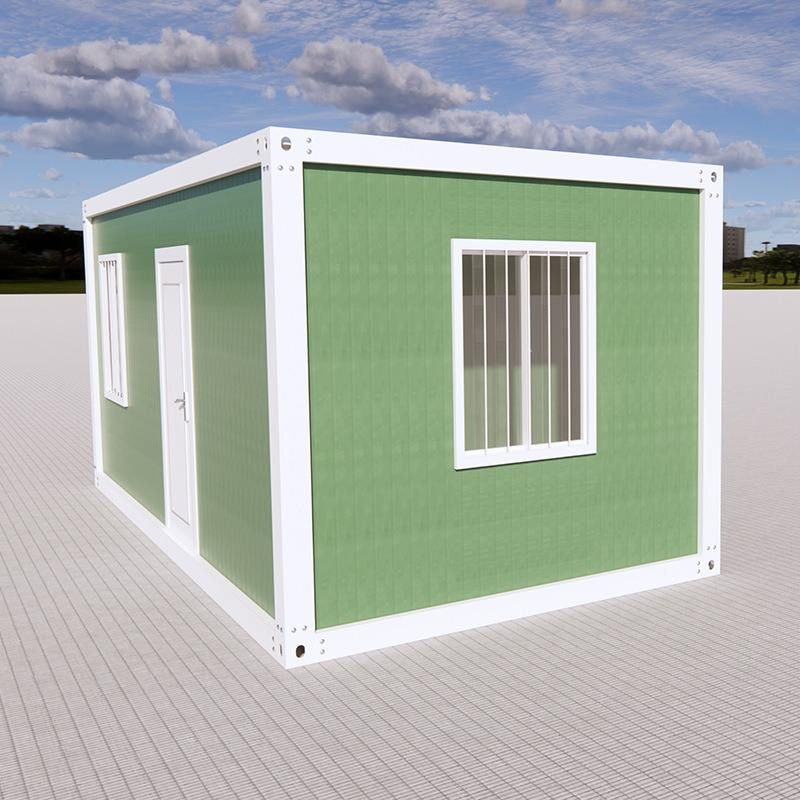
Mobile toilets are typically composed of several key parts that work together to ensure their proper functioning. The fecal wastewater storage tank (or fecal wastewater treatment device) is one of the core components of a mobile toilet, responsible for collecting and storing feces and wastewater generated during use. In some more advanced mobile toilets, a fecal wastewater treatment device is also equipped to perform preliminary treatment of the wastewater, reducing odors and pollution.
The floor provides a flat surface for users to stand and move around on, requiring good anti-slip and waterproof properties to ensure safety. Sanitary fixtures, including toilets or squat pans, are the parts directly used by individuals, and their materials and design must meet hygiene standards, being easy to clean and maintain.
The walls not only serve to divide the space but also provide a certain degree of privacy. They are usually made of lightweight yet sturdy materials to reduce the overall weight of the mobile toilet, facilitating its mobility. Washing facilities, such as sinks, allow users to clean their hands after using the toilet, maintaining personal hygiene.
The water tank is used to store clean water, providing a water source for sanitary fixtures and washing facilities. The roof protects the internal facilities from the external environment, shielding them from wind and rain. The mobility device is the key feature that distinguishes mobile toilets from traditional fixed toilets, enabling them to be flexibly moved according to needs to meet the usage requirements of different scenarios.
In terms of structural form, mobile toilets can be divided into single-unit mobile toilets and composite-structure mobile toilets. Single-unit mobile toilets typically have a simpler structure and smaller size, suitable for temporary and small-scale usage scenarios. Composite-structure mobile toilets are composed of multiple single units, offering more comprehensive functions and larger space, capable of accommodating more people simultaneously or providing additional service functions, such as setting up management rooms and barrier-free facilities.



