
Structural Features of Mobile Toilets
The structural features of mobile toilets are primarily reflected in their components, structural forms, frames and materials, internal configurations, and other characteristics, as detailed below:
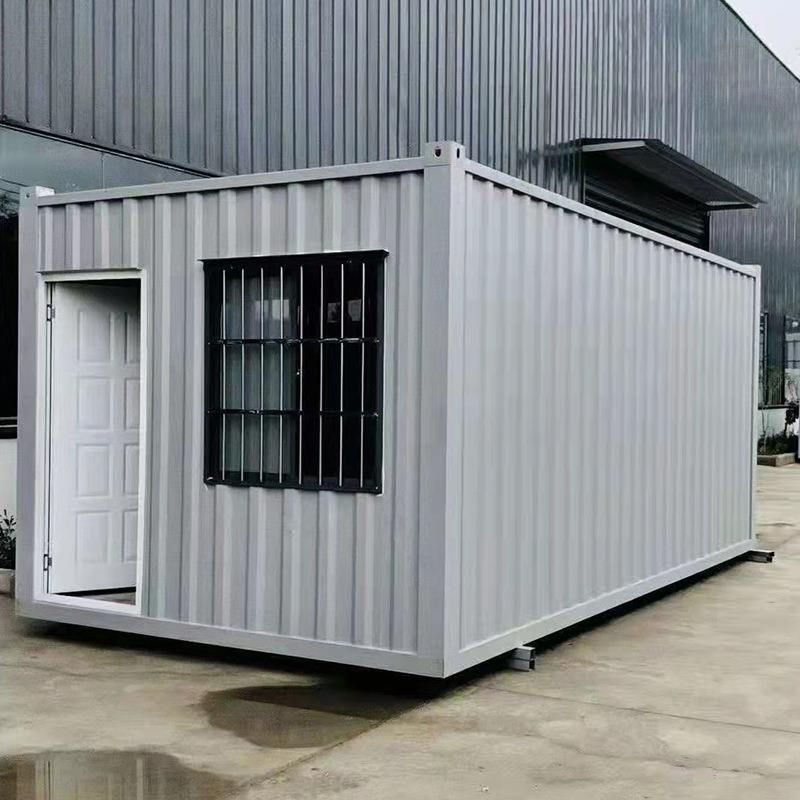
Components: Mobile toilets are generally composed of fecal sewage storage tanks (or fecal sewage treatment devices), floor slabs, sanitary ware, walls, washing equipment, water tanks, roofs, and mobile devices. These components work together to ensure the basic functions of the toilet, such as the collection and treatment of fecal sewage and the supply of daily cleaning water.
Structural Forms: Mobile toilets can be classified into single-structure mobile toilets and composite-structure mobile toilets based on their structural forms. Single-structure toilets are relatively simple and suitable for scenarios with limited space or high flexibility requirements; composite-structure toilets are more complex and may include multiple functional areas to meet a wider range of usage needs.
Frames and Materials: The frames are mostly welded from national standard steel, with surfaces covered with anti-corrosion and fire-resistant materials such as color-coated steel plates or carved panels, providing a service life of over 20 years. The choice of exterior wall materials is diverse, including color-coated steel plates, metal carved panels, anti-corrosion wood, stainless steel plates, and aluminum-plastic panels, which can be selected according to customer requirements or the surrounding environment of the usage location. The main structure is welded with national standard light steel keels to meet overall hoisting requirements. Some designs also combine lightweight frames with durable panels, with the main frame mostly using metal materials for structural support, covered with color-coated steel plate edges externally, and filled with foam material for thermal insulation in the internal sandwich layer, with a separate design for the top and bottom.
Internal Configurations: The interior is equipped with an independent toilet pit partition treatment system, with urine channels utilizing gravity flow and fecal channels cleaned by piston-type scraper mechanical devices, along with anti-slip floors, automatic flushing toilet bowls, and ventilation and lighting systems. Standard configurations include toilet bowls (urinals), coat hooks, vanity mirrors, paper baskets, lighting fixtures, exhaust fans, door locks, and occupancy indicator lights; optional configurations include heating and cooling air conditioners, air purifiers, anti-freeze systems, heating systems, background music, washbasins, and water-saving faucets.
Other Characteristics: They are compact in structure, easy to assemble and disassemble, and have good sound insulation. They adopt a modular design, integrating the functions of traditional fixed toilets into a detachable and easily transportable structure, facilitating rapid deployment and use at different locations.



