
What is the Size of the Storage Tank for Mobile Toilets
The capacity of the storage tank for mobile toilets varies depending on the type and usage scenario, typically ranging from 200 liters to 1500 liters. It can be divided into the following two categories:
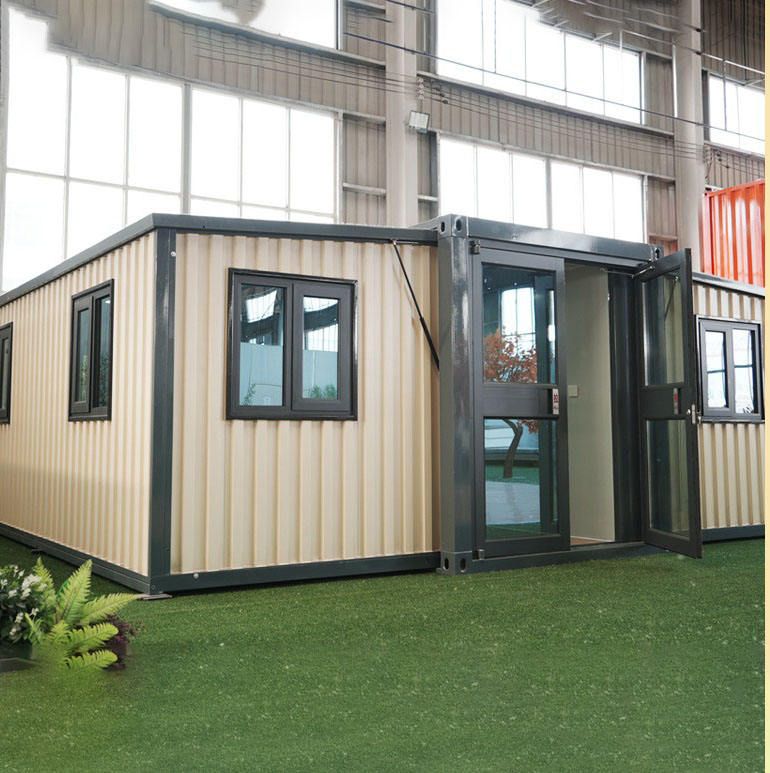
1. Capacity of the storage tank for single-unit air-water flush mobile toilets The capacity range of the storage tank for this type of toilet is relatively wide, mainly designed according to the scale of use:
- Small-scale events or single-person usage scenarios: The capacity of the storage tank is mostly 500-800 liters. This design is suitable for temporary, low-frequency usage scenarios, such as single-person restrooms or small outdoor events, balancing space occupation and cleaning efficiency with a relatively small capacity.
- Medium-scale usage scenarios: The capacity of the storage tank is 800-1200 liters. It is suitable for medium-scale events or short-term use by multiple people, such as community gatherings or temporary office areas on construction sites, requiring a balance between capacity and the convenience of regular cleaning.
- Large-scale usage scenarios: The capacity of the storage tank can reach 1200-1500 liters. It is mainly aimed at high-traffic density or long-term usage scenarios, such as large exhibitions or music festivals, reducing the frequency of cleaning and lowering operational costs through a large capacity.
2. Capacity of the storage tank for mobile toilets in Zhangjiakou area The design of the storage tank capacity for mobile toilets in this area focuses more on the actual usage frequency and cleaning cycle:
- Low-frequency usage scenarios: The capacity of the storage tank is 200-500 liters. It is suitable for scenic spots with few tourists, remote construction sites, or seasonal event venues, reducing manufacturing costs through a small capacity design while matching the demand for low-frequency cleaning.
- High-frequency usage scenarios: Some customized models may be close to the medium capacity of single-unit air-water flush toilets (800-1200 liters), but they need to be comprehensively determined based on local climate, road conditions, and other factors. For example, in cold winter areas, the cleaning interval may be extended by increasing the capacity to avoid pipeline freezing caused by low temperatures.
Core logic of design differences: The selection of the storage tank capacity needs to balance three factors: usage requirements, space limitations, and cleaning costs. For example, single-unit air-water flush toilets cover diverse scenarios through graded capacities, while the Zhangjiakou area emphasizes adapting to local operating conditions by adjusting the capacity. When selecting a model in practice, it is recommended to conduct a comprehensive evaluation based on the specific number of users, usage duration, and cleaning convenience.



