
Mobile Toilet Solution
The mobile toilet solution is a public sanitation facility solution that meets the dynamic needs of cities through its mobility and rapid deployment capabilities, offering advantages such as high efficiency, flexibility, and resource conservation. Its core components, operational logic, technical parameter matching, and effectiveness values are as follows:
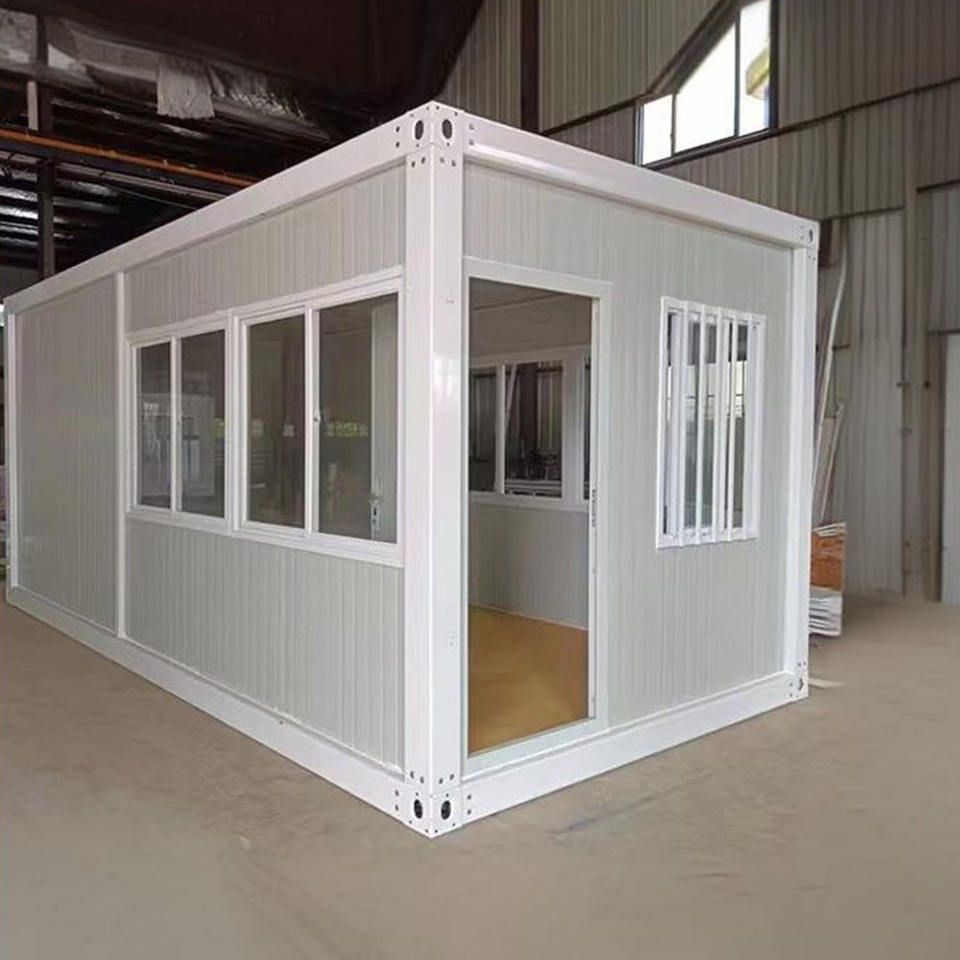
I. Core Components and Operational Logic Mobile toilets are based on modular design, with their main frames constructed from lightweight, high-strength materials (such as HDPE or reinforced PP) for easy transportation and rapid deployment. They integrate three core systems internally:
- Waste Treatment System: Breaking away from reliance on traditional fixed sewage networks, they utilize self-contained sewage storage tanks or small-scale biological treatment units. For example, the waterless flushing module employs vacuum negative pressure suction technology to create a negative pressure of 0.3-0.6 standard atmospheres within the toilet bowl, consuming only 0.5-1.5 liters of liquid per flush (compared to about 6 liters for household toilets). The liquid medium is a treatment solution with added biological enzymes that decompose organic matter and suppress odors. If connected to a self-circulating system, the liquid can be reused 5-7 times after sedimentation, filtration, and ultraviolet disinfection, with the final solid waste collected for centralized disposal.
- Smart Sensing System: Equipped with infrared or capacitive sensors, they continuously monitor usage frequency, liquid level height (with a typical threshold of 80%), and ammonia concentration (triggering an alarm if it exceeds 3ppm). Data is uploaded to a cloud management platform via 4G/LoRa networks, automatically generating collection instructions and planning optimal routes for data-driven responsive maintenance.
- Energy Supply System: Some models combine photovoltaic panels with batteries to meet the daily 12-18 hour continuous operation needs of sensors and vacuum pumps, reducing reliance on external power sources.
II. Technical Parameter Matching and Deployment Principles
- Demand Adaptation: Models are selected based on pedestrian traffic volume at a single point, water and electricity access conditions, and usage duration. For example, high-traffic areas require multi-unit clustered layouts (3-8 units connected to the same sewage storage tank), with a daily service capacity of 300-800 people and a collection cycle of 2-4 days.
- Environmental Coordination: Site selection should avoid areas with dense underground pipelines (confirmed through ground-penetrating radar or construction drawings), ensuring a ground slope of less than 3 degrees to prevent sewage backflow. Fixing methods include expansion bolts or weighted water tanks, capable of withstanding wind forces up to Level 6.
- Accessibility Design: They must comply with standards for wheelchair access and handrail installation, while also visually coordinating with the surrounding landscape to avoid a jarring appearance.
III. Effectiveness Values and Typical Scenarios This solution enhances resource utilization efficiency through a "demand-responsive" model:
- Short-term Demand Coverage: Deployed in advance at large events, tourist peaks, or temporary construction sites, they can be relocated or recovered after the task is completed, avoiding resource misallocation caused by the long construction cycle of fixed public toilets.
- Emergency Support Capability: In disaster relief or temporary settlement areas, clustered layouts can quickly form a sanitation service network, with maintenance personnel only needing to replace biological enzyme agents and empty solid waste residues, without contact with sewage pipelines.
- Cost-effectiveness Optimization: They respond to demand fluctuations with lower infrastructure investment and shorter cycles, reducing the risks of long-term vacancy or insufficient capacity, and providing supporting facilities for the functional adjustment of urban spaces.



