
Mobile Toilet Smart Voice
Mobile toilets are equipped with smart voice functions, primarily achieving automated management through voice interaction and sensing technology to enhance user experience. Specific functions vary depending on the device model and design.
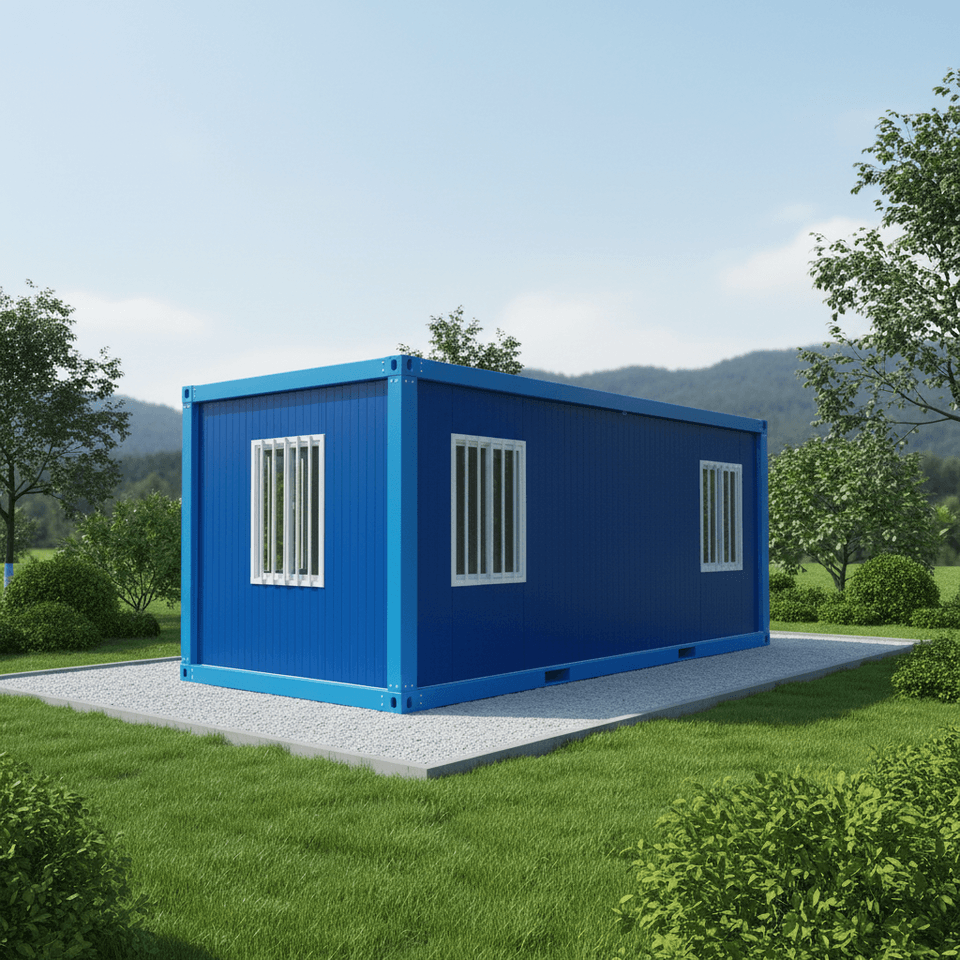
I. Basic Voice Interaction Functions
The core function of smart voice mobile toilets is to achieve automated operations through voice prompts and voice control. For example, users can control basic functions such as opening and closing doors and flushing the toilet through voice commands, reducing manual contact and improving hygiene. Some devices support voice adjustment of the toilet seat status. For instance, by issuing commands like 'Open the toilet seat' or 'Close the toilet seat', the system can automatically execute them, suitable for public places or home settings. Additionally, voice prompt functions guide users on how to use the device correctly, such as 'Please flush' or 'Door is open', reducing operational difficulty.
II. Intelligent Additional Functions
Some high-end smart voice mobile toilets integrate more intelligent functions. For example, they support automatic lid-flipping technology, enabling automatic opening and closing of the toilet seat and lid through sensing or voice commands, avoiding manual contact. They are equipped with powerful flushing systems that can adjust the flushing intensity based on voice commands or sensing results, optimizing cleaning effectiveness. Furthermore, the devices may integrate practical information functions such as weather forecasts and time announcements, providing real-time feedback through voice to enhance user convenience.
III. Multimedia and Connectivity Functions
Smart voice devices typically support Bluetooth or Wi-Fi connectivity, allowing for the expansion of multimedia functions. For example, users can play music, news, or audiobooks through voice commands, creating a comfortable usage environment. Some devices also support integration with smart home systems, enabling remote control or data synchronization, suitable for customized needs in homes or high-end public places.
IV. Scene Adaptability
The design of smart voice mobile toilets needs to consider the needs of different scenarios. In public places, the devices may focus on voice prompts and basic control functions to cope with high traffic usage. In home settings, the devices may emphasize multimedia functions and personalized settings, such as voice adjustment of water temperature and heated toilet seats. Specific functions need to be determined based on the device model and design objectives, and users can choose appropriate models according to their actual needs when purchasing.



