
Mobile Toilet Sewage Discharge
Mobile toilets can indeed discharge sewage, and there are various sewage discharge methods, mainly including conventional water-flushing, vacuum sewage systems, water-storage sewage systems, and biodegradation technology, etc..
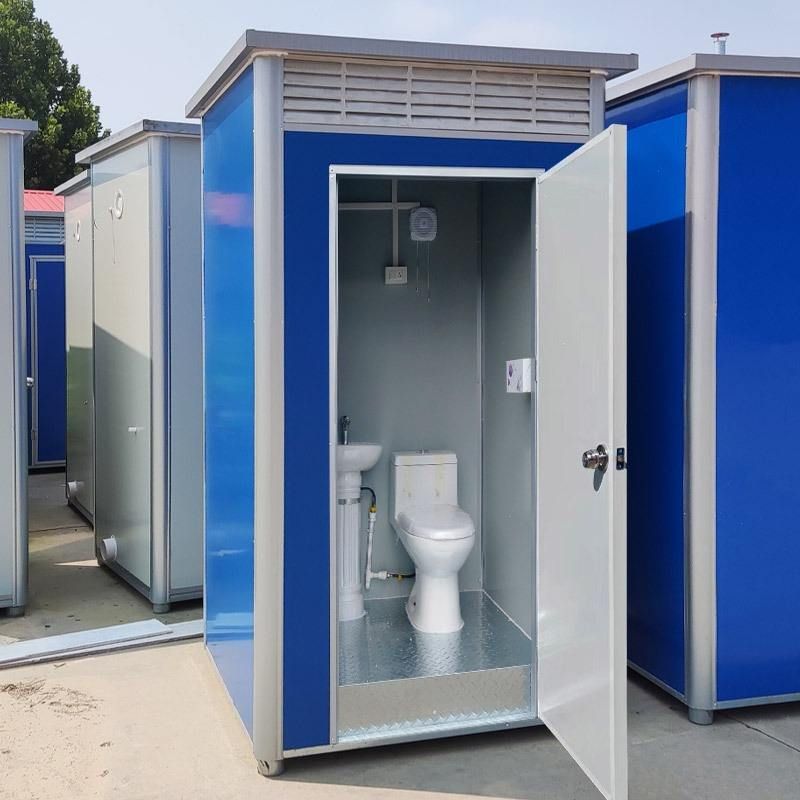
Conventional Water-flushing: This is a relatively common sewage discharge method that requires connection to water supply and drainage pipes. During use, manual or automatic sensing devices trigger flushing, sending sewage and waste into a septic tank or municipal sewer network. This method is similar to the sewage discharge method of traditional fixed toilets, capable of thoroughly removing waste and maintaining cleanliness and hygiene inside the toilet. However, it should be noted that it relies on a well-established water supply and drainage pipe system, so it may not be usable in areas lacking infrastructure.
Vacuum Sewage System: This system uses negative pressure principles for sewage discharge. By generating negative pressure with a vacuum pump, sewage and waste are rapidly sucked into a collection container. This method offers advantages such as high sewage discharge efficiency and water conservation, making it particularly suitable for places with water shortages or high hygiene requirements. At the same time, since sewage and waste are sealed in the collection container, it reduces the spread of odors and pathogens, improving the user experience.
Water-storage Sewage System: This system discharges waste into a water storage tank through water flushing. When the water storage tank is full, it needs to be cleaned and replaced. This method is relatively simple and suitable for some temporary or highly mobile locations. However, it should be noted that the capacity of the water storage tank is limited and requires regular cleaning; otherwise, it may affect the normal use of the toilet.
Biodegradation Technology: Some mobile toilets use biodegradation technology to treat sewage. Through specific microorganisms or enzyme preparations, organic matter in the sewage is converted into harmless substances and then discharged. This method offers advantages such as environmental protection and energy conservation, reducing pollution to the environment. However, it should be noted that the treatment effect of biodegradation technology may be affected by environmental factors such as temperature and humidity, so regular maintenance and management are required.



