
Mobile Toilet Service
Mobile toilet services are designed to meet the toilet needs of the public and customers at fixed or temporary locations, providing fully movable facilities. The following is an introduction from multiple aspects:
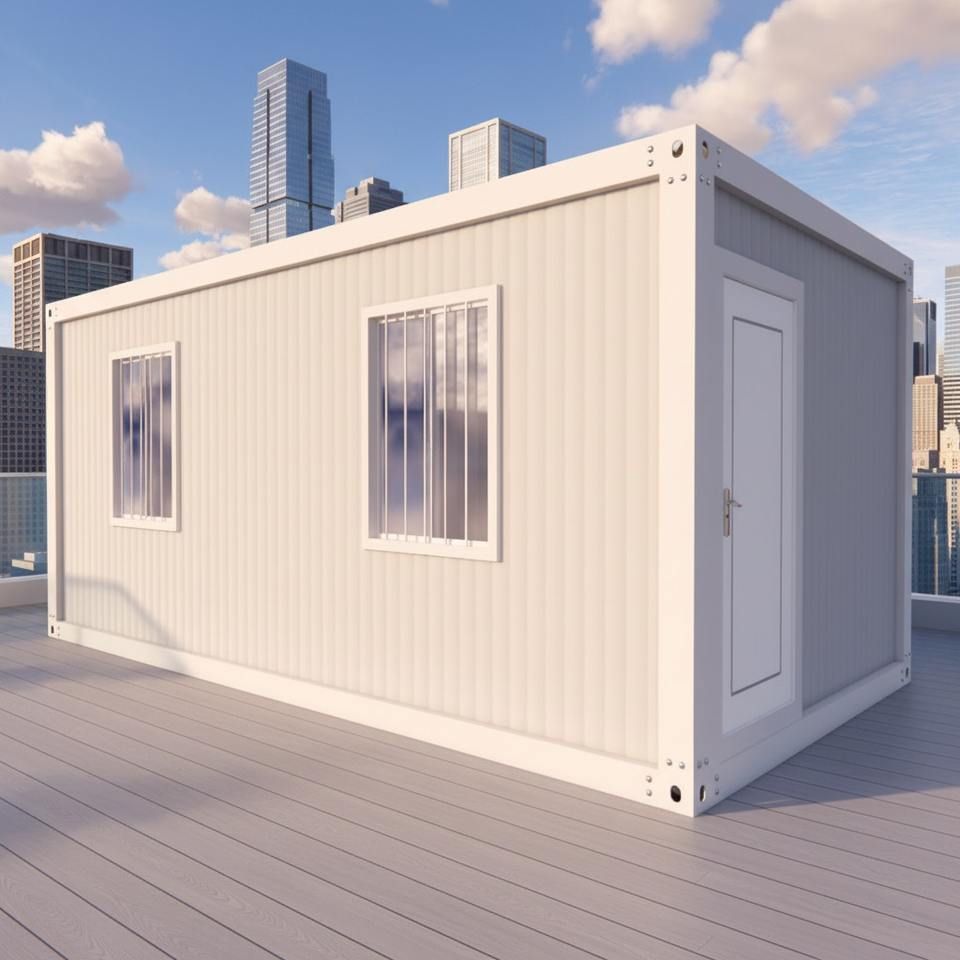
Applicable Locations: Stations, docks, tourist attractions, villa areas, newly built residential communities, large construction sites, squares, densely populated public places, and bustling commercial streets. These places have high foot traffic or temporary needs, and mobile toilets can flexibly meet toilet demands.
Composition: Generally composed of fecal sewage storage tanks (or fecal sewage treatment devices), floor slabs, sanitary ware, walls, washing equipment, water tanks, roofs, and mobile devices. Each part works together to ensure the normal operation of the toilet.
Classification:
- By structural form, they can be divided into single-structure mobile toilets and composite-structure mobile toilets.
- By mobility method, there are hoisting and handling mobile toilets, as well as powered and towed mobile toilets.
- By sewage treatment method, they are classified into water-flush and waterless suction mobile toilets, circulating water-flush mobile toilets, and dry-packing mobile toilets.
Features: They can be easily transported to locations where they are needed and can be used repeatedly. They have the advantages of mobility, modularity, and ease of transportation, enabling them to quickly respond to toilet needs at different locations.
Design Principles: Adhere to the principles of mobility and convenience, economic durability; environmental protection and ecological friendliness; improving efficiency and promoting humanitarianism. While meeting functional requirements, they also take into account environmental protection and humanized needs.
Key Points for Selecting Service Providers: The environmental protection level of materials, the design of structural wind and earthquake resistance, the controllability of assembly cycles, and the speed of post-maintenance response are core factors. Teams with factory prefabrication capabilities and standardized quality control are more likely to meet delivery expectations. Complete qualifications and environmentally friendly materials are the primary thresholds, and relevant test reports must be provided. The proportion of factory prefabrication affects the construction period, and high-quality suppliers should complete partial encapsulation in the factory. The ability to control costs throughout the entire life cycle determines actual returns, and equipment should be detachable and recyclable. Local technical support and a rapid response mechanism ensure stable operation, and the team must be staffed with professionals.



