
Mobile Toilet Risk Analysis
Mobile toilets pose various risks in terms of health and hygiene, accidental safety, and the facilities themselves, as detailed below:
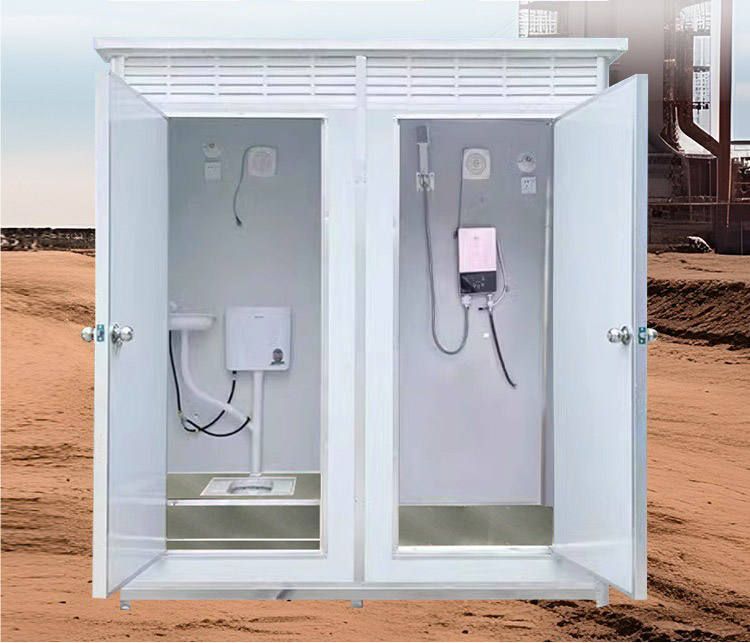
Health and Hygiene Risks
High-touch surfaces in mobile toilets, such as door handles and flush buttons, may harbor pathogens like Escherichia coli and norovirus. If hands are not thoroughly washed after using the toilet, it can easily lead to gastrointestinal infections, resulting in symptoms such as diarrhea and vomiting. Individuals with weakened immune systems may also develop urinary tract infections or respiratory-transmitted diseases. The rims of toilet seats may retain pathogenic microorganisms like Staphylococcus aureus, and direct skin contact can increase the risk of urinary tract infections, condylomata acuminata, and other diseases. Improper disinfection can further exacerbate the risk of cross-infection with sexually transmitted pathogens. Additionally, many mobile toilets are not disinfected frequently enough, allowing bacteria and insects to breed in corners and drains, while sewage leakage can spread intestinal diseases.
Accidental Safety Risks
Specific groups, such as individuals with cardiovascular diseases, may experience transient ischemic attacks when standing up quickly after prolonged squatting, leading to dizziness and falls. Elderly individuals over 65 years old face a higher risk of injury, and hypertensive patients are more likely to have accidents when defecating immediately after waking up in the morning. Straining during defecation can trigger cerebral hemorrhage or angina pectoris, while sudden urination after holding it for too long can induce micturition syncope. Slippery floors in mobile toilets can easily cause hip fractures in the elderly, while the lack of barrier-free facilities can lead to falls among individuals with physical disabilities. The volatilization of cleaning agents in confined spaces can trigger asthma attacks, and poor-quality non-slip mats pose tripping hazards. The absence of emergency call devices can delay accident response, and sharp objects left in the toilet can also cause physical injuries.
Facility-Related Risks
Some mobile toilets have strong, pungent odors that affect health. Poor-quality products have low durability and may collapse or break, causing injuries. Some lack safety facilities like handrails and alarm devices, making it difficult to prevent falls or respond to emergencies effectively. Mobile toilets that have been in use for a long time may have issues such as rusted steel components and loose or detached toilet door panels, leading to磕碰 (bumps and bruises) and挤压 (crushing) injuries to users. A small number of mobile toilets are built with flammable materials to cut costs and are not equipped with firefighting equipment, posing fire safety hazards. The lack of barrier-free configurations for special groups and issues like malfunctioning toilet door locks can also affect normal use and trap individuals inside.



