
Mobile Toilet Rental Contract
A mobile toilet rental contract typically includes the following core elements:
Contracting Parties Information
The detailed information of Party A (the lessor) and Party B (the lessee) must be specified, including names, ID numbers, addresses, and contact phone numbers. This clause is used to confirm the identities of the contracting parties and ensure the traceability of legal effect. For example, if Party B fails to pay the fees as agreed, Party A can hold Party B legally accountable through the contract registration information.
Rental Subject and Service Description
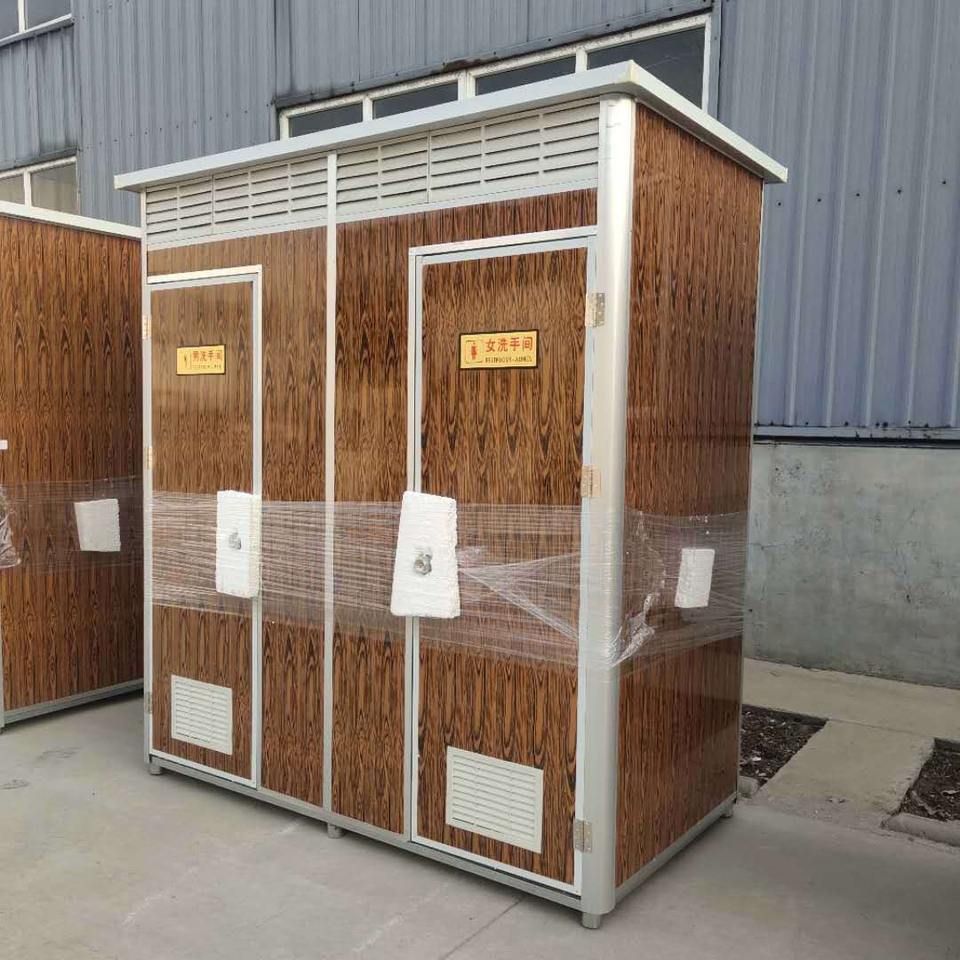
- Specifications and Quantity: Detailed parameters such as the model (e.g., single-unit or connected-unit), color, and quantity of the mobile toilets must be listed to avoid disputes arising from equipment differences.
- Rental Period: The start and end dates should be clearly specified, for example, "From January 1, 2024, to December 31, 2024," to prevent issues related to overdue use due to ambiguous terms.
- Usage Location: The specific address designated by Party B (e.g., a construction site or event venue) should be indicated. Any changes to the location require written confirmation from both parties.
- Service Responsibilities: It is usually agreed that Party A is responsible for transportation, installation, disassembly, and daily maintenance and cleaning to ensure the normal operation of the equipment. For example, Party A must clean the fecal tank every 72 hours and replenish consumables.
Rental Fees and Payment Methods
- Total Rental Fees: The total cost should be calculated based on the rental period (monthly/quarterly/yearly), such as "Monthly rent of 5,000 yuan, payable quarterly."
- Payment Methods: The payment channels (e.g., bank transfer or cash) and timing should be specified, for example, "Party B shall pay the current rent by the 5th day of the first month of each quarter."
- Deposit Clause: Party B is required to pay a deposit (usually equivalent to 1-3 months' rent), which will be fully refunded upon the expiration of the lease and in the absence of damage. If the equipment is damaged, Party A has the right to deduct repair costs from the deposit.
Rights and Obligations of Both Parties
- Party A's Oblations: Provide equipment that meets hygiene standards, conduct regular maintenance, and ensure the normal supply of water and electricity; in case of equipment failure, repair or replace it within 24 hours.
- Party B's Oblations: Use the equipment for the agreed purposes, prohibit unauthorized structural modifications or subleasing; cooperate with Party A's maintenance work, such as providing access to the site.
Liability for Breach of Contract
- Late Payment: If Party B fails to pay the rent or deposit on time, a daily late fee (e.g., 0.5% of the unpaid amount) shall be charged.
- Equipment Damage: If Party B causes damage to the equipment due to improper use, it shall bear the repair or replacement costs.
- Overdue Use: If the equipment is not returned upon the expiration of the lease, a daily penalty equivalent to double the rent shall be charged as liquidated damages.
Contract Amendment and Termination
- Negotiated Amendment: Either party must notify the other in writing 15 days in advance, and the terms can be amended upon mutual agreement.
- Force Majeure: If the contract cannot be fulfilled due to force majeure, such as natural disasters or policy adjustments, both parties may terminate the contract without bearing liability for breach of contract.
Dispute Resolution
The laws of the People's Republic of China shall apply. Disputes shall be resolved through negotiation first; if negotiation fails, either party may file a lawsuit with the people's court at the location of Party A.
Other Provisions
The contract shall take effect upon the signatures and seals of both parties, with each party holding one copy; matters not covered herein may be addressed in a supplementary agreement, which shall have the same legal effect as the main contract.



