
Mobile Toilet Quantity Setting Standards
The standards for setting the quantity of mobile toilets vary depending on the usage scenario, as detailed below:
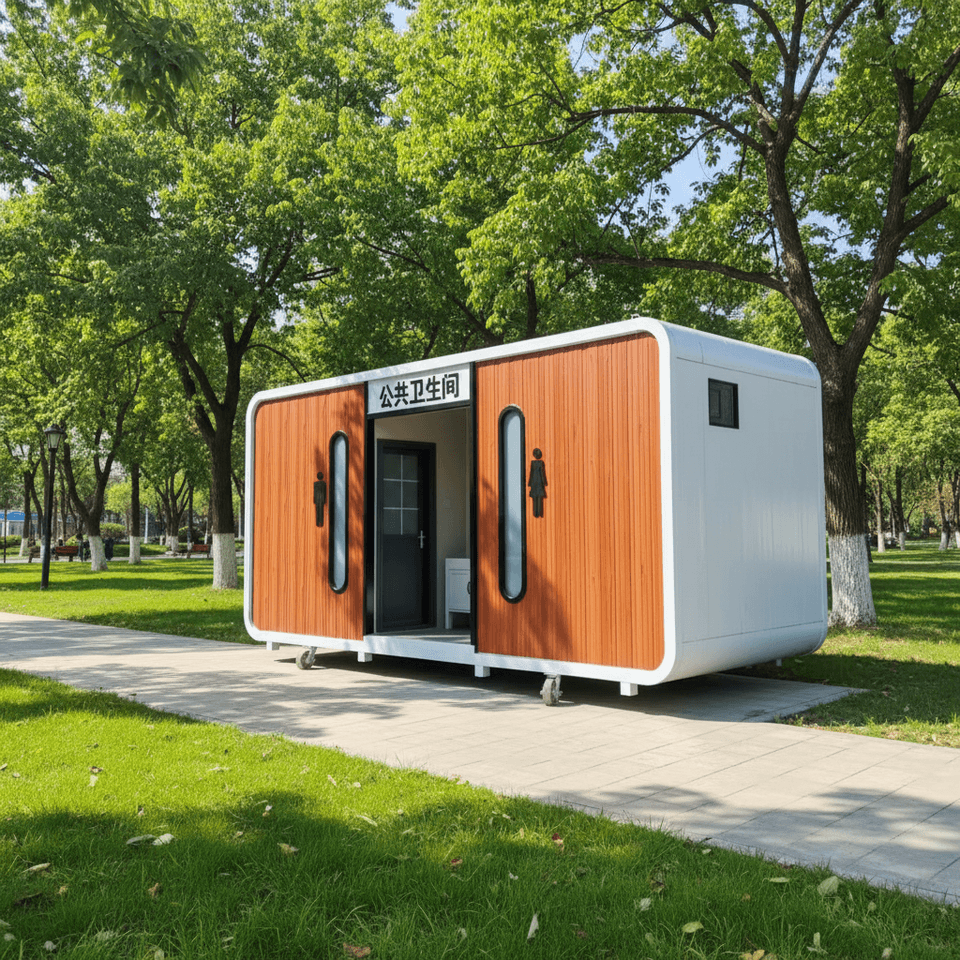
Construction Site Scenario
According to the 'Environmental and Sanitary Standards for Construction Sites of Building Projects' and requirements from local housing and construction departments, the number of mobile toilets at construction sites must be determined based on a combination of the number of construction workers, project duration, and functional zoning.
1. Ratio Based on Number of Construction Workers: At least one mobile toilet (including separate compartments for men and women) should be provided for every 30-50 construction workers. For example, a construction site with 100 workers should be equipped with 2-3 standard toilets. If the number of workers exceeds 500, the number of toilets should be increased proportionally to meet demand during peak hours.
2. Setting Based on Functional Zoning: Independent toilet clusters should be installed in the main construction area, office and living area, and material storage area to avoid usage conflicts due to worker concentration. For example, the main construction area should calculate the ratio separately based on the number of workers, while the office and living area can have a reduced number.
3. Adjustments for Special Working Conditions: During high-temperature seasons (such as summer), the ratio interval should be shortened, with an additional mobile toilet provided for every 25-30 workers to accommodate the increased frequency of toilet use in hot weather. For projects with a duration exceeding three months, it is recommended to configure 1.5 times the standard number and reserve 1-2 spare toilets to prevent supply shortages due to equipment failure or an increase in temporary workers.
Public Event Scenario
The number of mobile toilets for public events (such as music festivals, sports events, exhibitions, etc.) should be dynamically adjusted based on the number of participants.
1. Basic Ratio Standard: It is recommended to configure one mobile toilet for every 100 participants. For example, an event with 5,000 participants should be equipped with at least 50 mobile toilets. If the event lasts more than six hours, the number of toilets should be increased by 20%-30% to accommodate the peak in toilet use during prolonged stays.
2. Adjustments for Special Scenarios: If the event includes a dining area or children's area, an additional 10%-15% of toilets should be provided due to the higher frequency of toilet use associated with eating and children. Additionally, if the event venue has terrain limitations (such as mountains or beaches), the density of toilets should be appropriately increased to shorten the walking distance for participants.
Summary: The setting of mobile toilet quantities should adhere to the core principle of 'meeting demand and avoiding congestion', with dynamic adjustments made based on the personnel density, usage duration, and special needs of specific scenarios to ensure the adequacy and rationality of sanitary facilities.



