
Mobile Toilet Production Process Images
Although it is not possible to directly provide images of the mobile toilet production process, a detailed description of the production process can be given to help understand its structure and manufacturing steps.
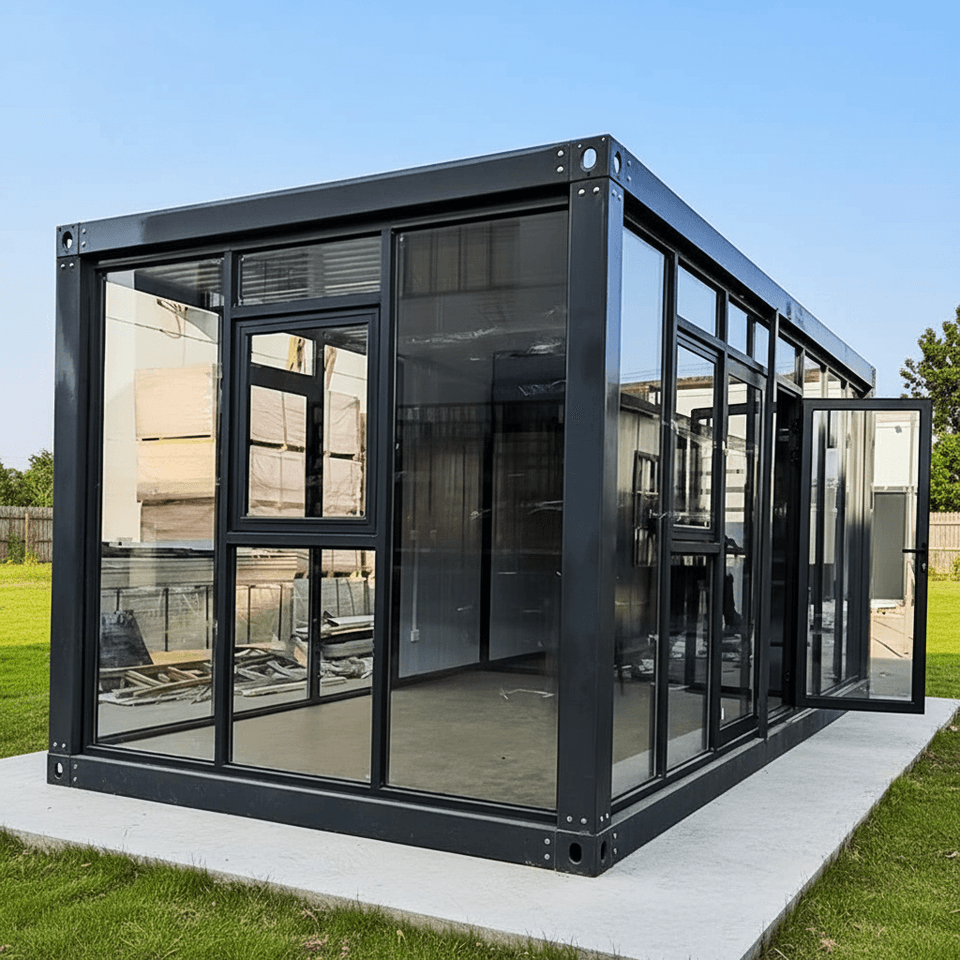
The production process of a mobile toilet typically includes design planning, material preparation, frame construction, functional module installation, and decorative finishing.
Design planning is the first step. It is necessary to determine the size, structural form (single or multi-compartment combination), and functional requirements (such as whether to be equipped with squat toilets, sit toilets, urinals, sinks, ventilation systems, etc.) of the toilet according to the usage scenario (such as scenic spots, construction sites, temporary events, etc.). At the same time, the method of mobility needs to be considered, such as whether to use a wheeled chassis for easy towing or design it as a detachable structure for separate transportation.
In the material preparation stage, lightweight and high-strength metal materials such as aluminum alloy or galvanized steel pipes are mostly selected for the main frame, ensuring structural stability and ease of handling. Wall and roof materials are chosen according to requirements, with common options including color-coated steel sheets, fiberglass-reinforced plastic, or anti-corrosion wooden boards. These materials have the characteristics of waterproofing, corrosion resistance, and easy cleaning. Internal functional modules such as toilets, water tanks, and sewage pipes need to be purchased in advance and ensure compliance with hygiene standards.
During frame construction, the metal frame is first welded or assembled according to the design drawings to ensure that all connection points are secure. Then, the walls and roof are installed to form an enclosed space. Special attention should be paid to the structural tightness at this stage to prevent rainwater leakage.
Functional module installation is the core step, including toilet fixation, sewage pipe connection, water tank installation, and ventilation system layout. For environmentally friendly mobile toilets, fecal treatment devices such as biodegradation tanks or septic tanks also need to be installed to ensure harmless treatment of excreta. At the same time, the water and electricity systems need to be connected to ensure normal water supply and lighting.
In the decorative finishing stage, the interior is beautified, such as laying anti-slip floor tiles, installing partition doors, and posting usage instructions to enhance the user experience. The exterior can be painted with environmentally friendly paint or posted with promotional slogans to enhance visual effects. Finally, a comprehensive inspection is carried out to ensure that all components are operating normally and there are no safety hazards.



