
Specialization of Mobile Toilet Products
The specialization of mobile toilet products is reflected in multiple aspects such as materials and structure, functional design, user experience, mobility convenience, and shape and appearance.
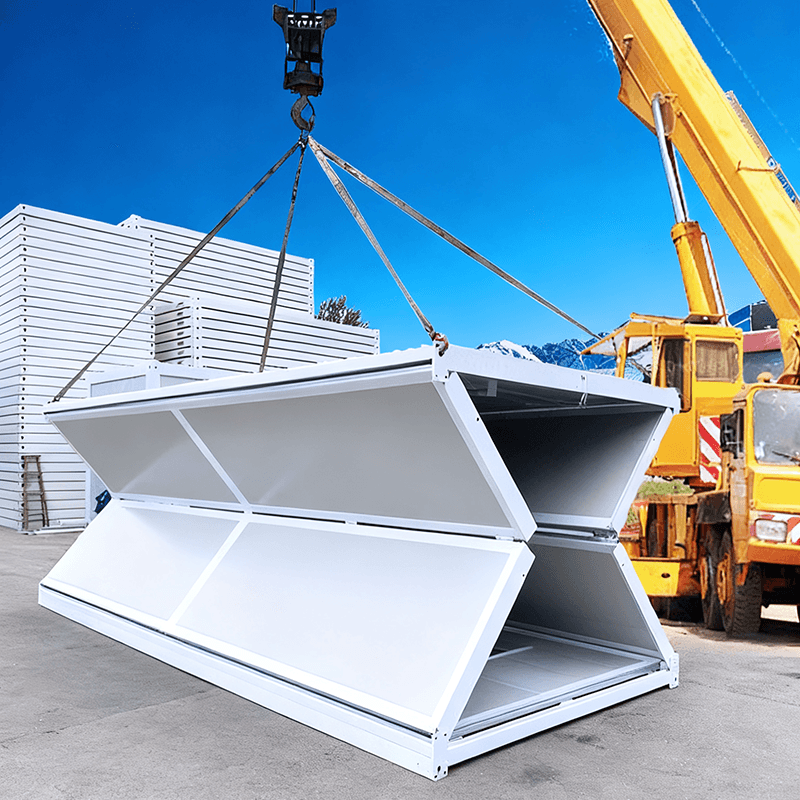
In terms of materials and structure, the main body of the mobile toilet is welded using high-quality galvanized square tubes and galvanized steel plates, with high-temperature spray coating on the surface for corrosion and rust resistance, and a smooth and beautiful appearance. The interior floor is paved with anti-slip tiles, and the walls are made of bamboo-wood fiber panels, which are environmentally friendly and aesthetically pleasing. Some also use galvanized steel frames, which are sturdy and durable, with a service life of over 15 years, and the exterior wall panels have bright colors. The overall structure is lightweight, durable, and sturdy, with controlled height and width, and complete and reasonable mobile devices.
In terms of functional design, there are diverse sewage treatment methods, including water-flush and waterless-flush suction types, circulating water-flush types, and dry-packing types of mobile toilets. Some mobile toilets' internal circulation systems adopt multi-stage treatment technologies, where the treated sewage is partially reused for non-potable purposes such as toilet flushing, reducing dependence on external water sources. For energy supply, they are generally equipped with photovoltaic power generation components. Solar panels are installed on the roof or the sunny side of the exterior walls, converting light energy into electrical energy stored in battery packs for lighting, ventilation systems, and control equipment operation. Some advanced models are equipped with energy management systems that can automatically adjust energy consumption based on usage frequency. For intelligent management, various sensors are used to collect equipment operation data, such as occupancy sensors to detect the usage status of toilet stalls, environmental sensors to monitor internal temperature, humidity, and ammonia concentration and automatically enhance ventilation, and equipment operation sensors to track water and electricity consumption, sewage treatment progress, and energy reserves. All data is transmitted to a management platform through IoT modules for remote monitoring and preventive maintenance.
In terms of user experience, details are designed considering public space behavior patterns, with barrier-free access and interior space to meet the needs of wheelchair users. Baby care stations and child safety seats are provided for the convenience of users with young children, and emergency call buttons are installed in easily accessible locations.
In terms of mobility convenience, mobile toilets can be easily transported to any location where toilets need to be installed and can be used repeatedly, with the advantages of being movable, combinable, and easy to transport.
In terms of shape and appearance, there are mobile toilets with special shapes and bright colors, such as brick-patterned flat-roofed mobile toilets with orange brick-patterned exterior wall panels, which are very beautiful.



