
Principles of Mobile Toilets
The principles of mobile toilets vary depending on their type, mainly divided into the following types and corresponding principles:
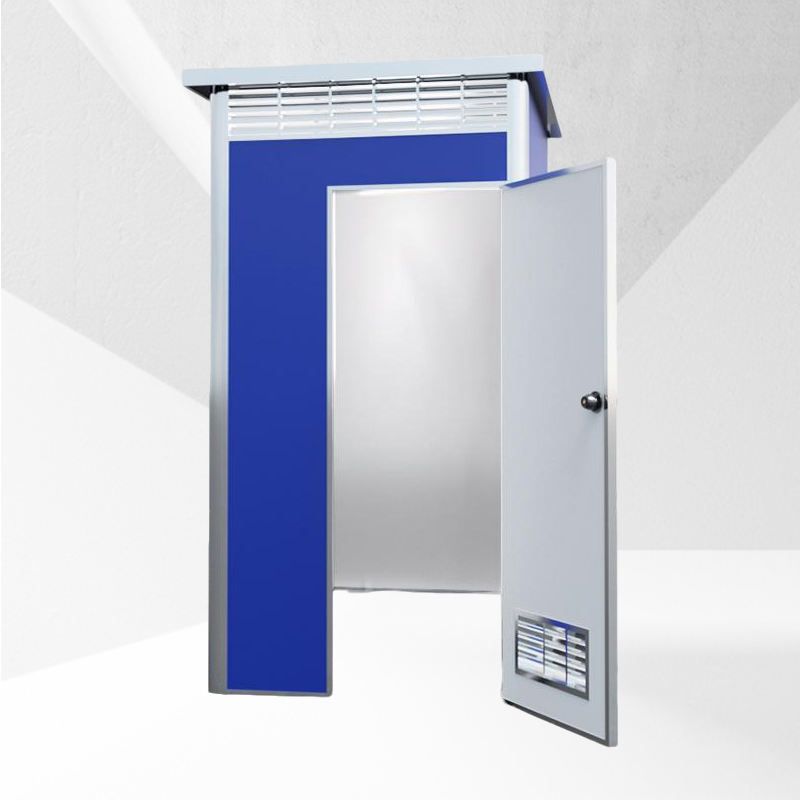
1. Traditional Sewage-Storage Mobile Toilets
The core structure of this type of toilet is a detachable sewage storage tank, where waste falls directly into the tank by gravity. To control odors and bacterial growth, degradation agents or deodorizers are usually pre-placed in the storage tank, reducing organic matter content and inhibiting microbial activity through chemical decomposition. Meanwhile, the toilet is equipped with a ventilation system that uses negative pressure to expel odors from the tank, maintaining internal air circulation. During regular cleaning, the entire sewage storage tank can be removed and replaced with a new one.
2. Water-Saving or Waterless Mobile Toilets
These toilets achieve waste treatment by replacing the water-flushing function. For example, waterless toilets use physical, biological, or chemical technologies: physical technologies may include covering the toilet surface with foam to isolate odors; biological technologies utilize specific bacteria to decompose organic matter; chemical technologies add disinfectants or coagulants to solidify waste and reduce volume. Some waterless toilets also incorporate vacuum suction principles, using negative pressure to directly suck waste into storage containers, further reducing water demand.
3. Water-Flushing and Waterless Suction Mobile Toilets
This type combines water-flushing and suction functions. The toilet is equipped with a freshwater tank and a wastewater storage tank. Freshwater flushes the toilet through pipes, and the wastewater flows into the storage tank. When the storage tank is nearly full, it needs to be cleaned by suction using a dedicated vehicle. Some designs adopt a recirculating water system, purifying part of the wastewater through filtration and disinfection for reuse in flushing, but regular freshwater replenishment is required to maintain system operation.
4. Biological Treatment Mobile Toilets
These toilets use the decomposition action of microorganisms or enzymes to treat waste. Their principle is similar to that of a small sewage treatment plant: after waste enters the biological reaction tank, microorganisms convert organic matter into carbon dioxide, water, and inorganic salts through metabolic activities, while inhibiting the reproduction of pathogenic bacteria. This technology requires strict control of temperature, humidity, and oxygen content to ensure microbial activity, making it suitable for long-term fixed-use scenarios, such as scenic spots or construction sites.
5. Solar-Powered Mobile Toilets
Solar-powered mobile toilets convert light energy into electrical energy through solar panels on the top, driving ventilation systems or lighting equipment. For example, solar panels can power exhaust fans to accelerate air circulation and reduce odors; or provide lighting for LED lamps to enhance nighttime comfort. These toilets are usually used in combination with other treatment technologies (such as biological degradation or sewage-storage) to reduce reliance on traditional energy sources.



