
How to Connect Power for Mobile Toilets
There are three main power connection methods for mobile toilets: mains power connection, solar power supply, and dry battery power supply, as detailed below:
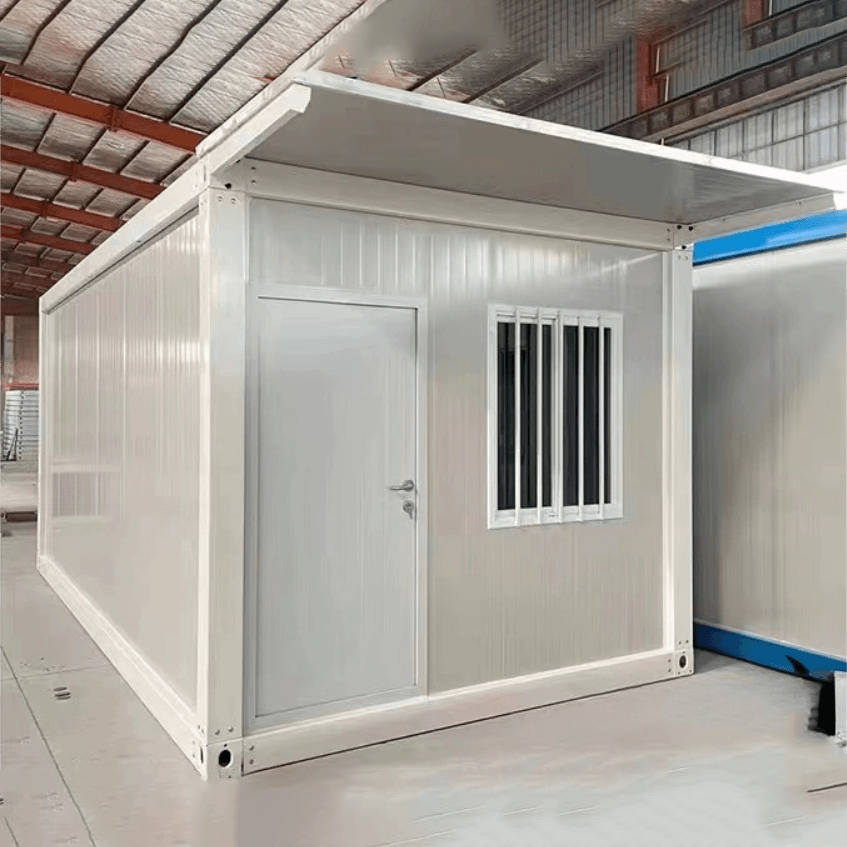
Mains Power Connection
Mains power connection is a relatively common method, suitable for areas covered by the municipal power grid. During the engineering preparation phase, it is necessary to determine the location of the power access point, the cable laying path, and the power parameters of the equipment. Before construction, electrical engineers and supervision units should be organized to verify the design drawings, prepare the "Electrical Installation Work Instructions", clarify key indicators such as cable burial depth, grounding resistance, and insulation resistance, conduct specialized training for the construction team, prepare relevant materials and tools, clear obstacles, and excavate cable trenches. In terms of construction techniques, the path should be planned to be laid along the edge of the sidewalk, and galvanized steel pipes should be used for protection when crossing the roadway; the laying technique should use manual traction, with sufficient allowance reserved at the cable joints, the bending radius meeting the requirements, and the cable covered with plain soil and compacted in layers after laying; the box should be fixed to the exterior wall of the public toilet using expansion bolts and reliably connected to the grounding main line. For safety precautions, the lessee should select a unit or individual with formal power construction qualifications to ensure that the power connection work is carried out by certified electricians, and clearly define the division of power responsibilities in the contract; check the specifications of the power cord that comes with the mobile toilet, select waterproof and sun-resistant cables for temporary wires, and install a leakage protector when the length exceeds 10 meters; all mobile toilets must be reliably grounded, with the grounding resistance controlled within 4Ω, and regularly test the grounding effectiveness; the distribution box should be installed in a dry and ventilated place, with rain protection facilities, and the internal air switch should match the equipment power, and it is strictly prohibited to privately connect or overload the power; during the lease period, check the wire joints and cable conditions daily, and focus on checking for leakage after rainy days, and immediately stop using and contact professional personnel for maintenance if the wiring is aged or equipment is abnormal.
Solar Power Supply
Environmentally friendly mobile toilets are often equipped with solar power supply systems. The solar panels installed on the top absorb sunlight, convert the light energy into direct current, and then convert it into alternating current through an inverter for use by internal equipment. The excess electricity generated during the day is stored in batteries for continuous power supply at night or on cloudy and rainy days. For example, a public toilet equipped with a 7KW photovoltaic device can operate for about 3 days on a single charge. In addition, advanced solar toilets may also integrate heat collection wall designs, using hot air circulation to keep the interior warm in winter and prevent water pipes from freezing. This method is suitable for remote areas with abundant sunlight and a lack of municipal power grids or outdoor venues that emphasize environmental protection.
Dry Battery Power Supply
Some mobile toilets, especially simple models set up in highway service areas or temporary event sites, use dry battery power supply. This method does not require an external power source and is easy to install, but the power supply capacity and battery life are limited. It is usually used in temporary scenarios with low power demands or as an emergency supplement.



