
Mobile Toilet Power Connection
The power connection of mobile toilets must strictly adhere to safety regulations, ensuring proper electrical qualifications, equipment compatibility, reliable grounding, standardized installation, and regular inspections, while selecting an appropriate power supply mode based on the scenario.
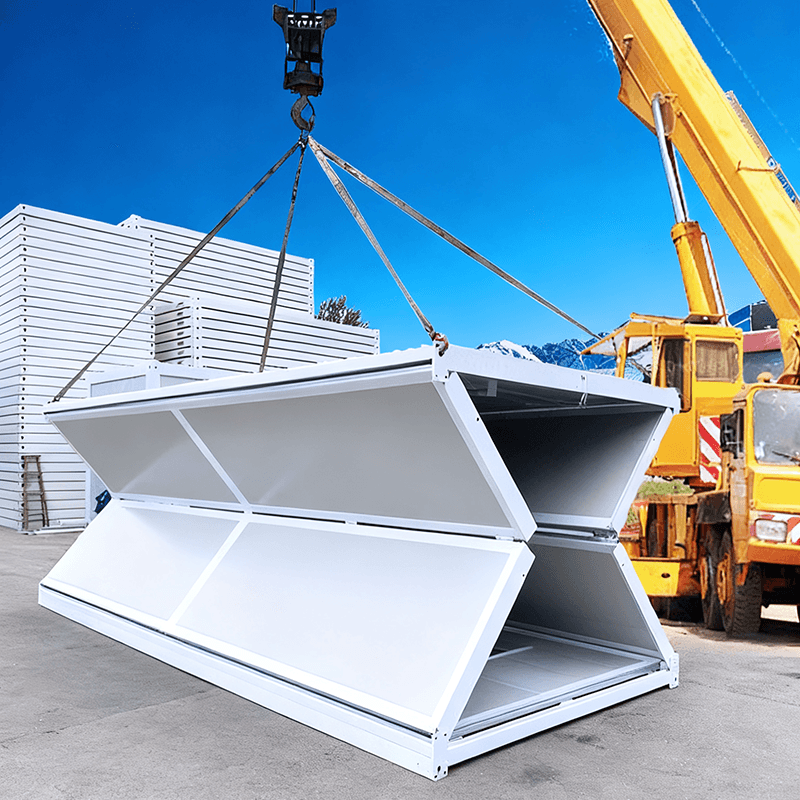
I. Key Considerations for Power Connection
Electrical Qualifications and Responsibility Allocation
Power connection work must be carried out by units or individuals with formal electrical construction qualifications, and operators must be certified. When signing contracts, it is essential to clarify the allocation of electrical responsibilities to avoid subsequent disputes. For example, if a safety accident occurs due to non-compliant power connection, the responsible party must bear the legal consequences.Wire Specifications and Protection Requirements
The power cords自带 (coming with) the mobile toilet must meet the device's power requirements to avoid overheating caused by an undersized wire. Temporary wires should be waterproof and sun-resistant cables. When the length exceeds 10 meters, a residual current device (RCD) must be installed to prevent electric shock risks.Mandatory Requirements for Grounding Devices
All mobile toilets must be reliably grounded, with a grounding resistance of ≤4Ω. Grounding electrodes can be made of galvanized steel pipes or angle steel, buried at a depth of ≥0.6 meters, and the grounding effectiveness should be regularly tested. Poor grounding may cause equipment damage or electric shock to personnel.Power Distribution Box Installation Specifications
The distribution box should be installed in a dry and ventilated area, equipped with rainproof facilities, and the internal circuit breakers must match the device's power. Unauthorized connections or overloading are strictly prohibited. For example, connecting high-power devices directly to ordinary sockets is forbidden to prevent line overloading and fire hazards.Regular Inspections and Maintenance
During the rental period, daily checks are required to ensure wire connections are secure and cables are not damaged, with a focus on checking for electric leakage after rain. If line aging or equipment abnormalities are detected, use should be immediately stopped, and professional maintenance personnel should be contacted to avoid operation with defects.
II. Selection of Power Supply Modes
- External Power Supply: Powered by the municipal grid or temporary generators, suitable for scenarios with stable power access (e.g., city squares, construction sites), with low costs but dependence on external power sources.
- Battery Power Supply: Uses lead-acid or lithium batteries to store electrical energy, providing independent power for 8-24 hours, suitable for areas without grid coverage (e.g., outdoor events, remote scenic spots), but requiring regular battery replacements.
- Solar Power Supply: Converts sunlight into electrical energy through solar panels, combined with battery storage, suitable for regions with abundant sunshine (e.g., deserts, plateaus), environmentally friendly but significantly affected by weather conditions.
- Hybrid Power Supply: Combines solar power, batteries, and external power sources, automatically switching based on environmental conditions to ensure power supply stability, suitable for scenarios with high power reliability requirements (e.g., large-scale events, emergency rescue).



