
Mobile Toilet Plug-in
The plug-in of mobile toilets must strictly adhere to safety regulations, with specific precautions as follows:
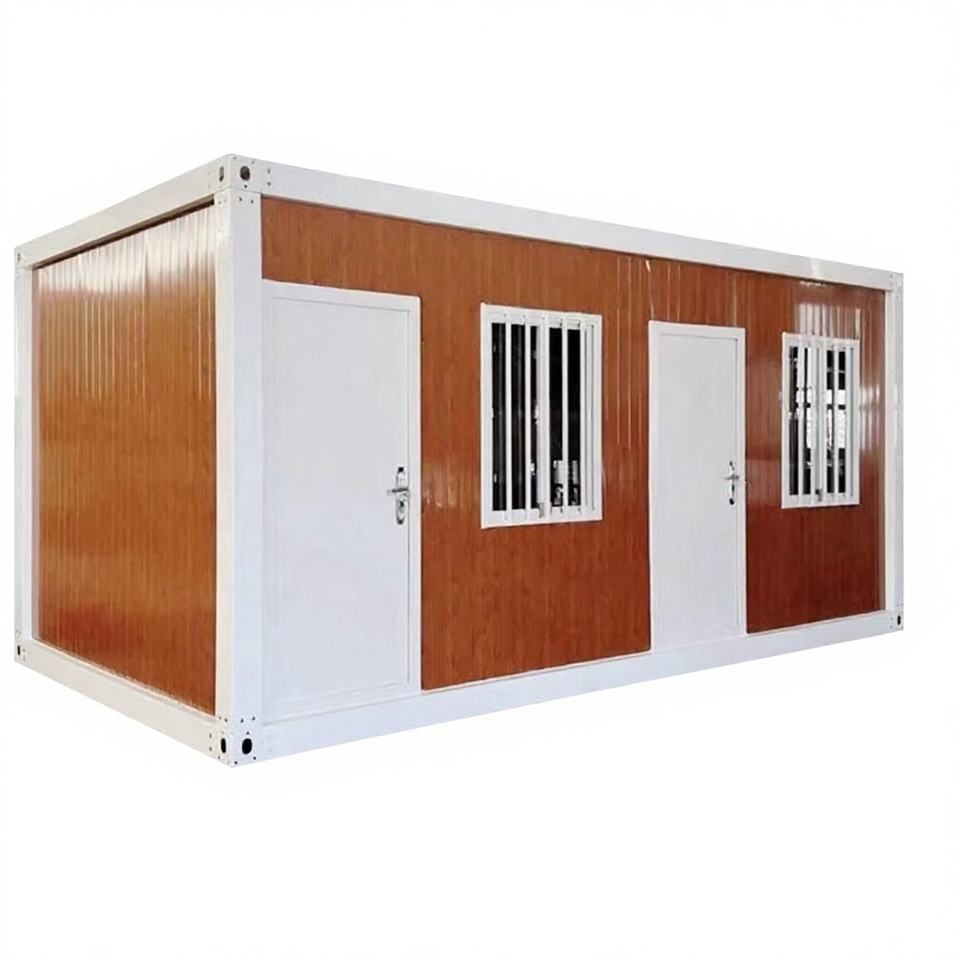
Electrical Qualification and Responsibility Allocation Electrical connection work must be carried out by units or individuals with formal electrical construction qualifications, and operators must hold an electrician's certificate. When signing a contract between the lessee and the constructor, the responsibility for electrical safety must be clearly defined to avoid disputes arising from unclear responsibilities. For example, if an accident occurs due to non-compliant electrical connection, the responsible party must bear the corresponding legal consequences.
Wire Specifications and Protection Requirements The power cord that comes with the mobile toilet must meet the power requirements of the equipment. If temporary wires are used, they must be dedicated cables that are waterproof and sun-resistant (such as rubber-sheathed wires). When the cable length exceeds 10 meters, a residual current device (RCD) must be installed to prevent voltage instability or the risk of electric leakage due to long lines. For example, when used outdoors, cables should be prevented from being directly exposed to sunlight or soaked in standing water.
Mandatory Requirements for Grounding Devices All mobile toilets must be reliably grounded, with the grounding resistance controlled within 4Ω. The grounding electrode should be made of galvanized steel pipes or angle steel, buried at a depth of not less than 0.6 meters, and the effectiveness of the grounding should be regularly tested (it is recommended to test once every quarter). Poor grounding may cause the equipment casing to become electrified, leading to electric shock accidents.
Installation and Usage Specifications for Power Distribution Boxes The power distribution box must be installed in a dry and ventilated place, and the box body should be equipped with rainproof facilities (such as a rain cover). The rated current of the internal circuit breaker must match the power of the equipment, and unauthorized connections or overloading are strictly prohibited. For example, if the total power of the mobile toilet is 3kW, the rated current of the circuit breaker should be no less than 16A. In addition, sockets should not be directly connected to high-power equipment (such as electric water heaters) and must be supplied through dedicated power distribution circuits.
Daily Inspection and Maintenance Requirements During the rental period, it is necessary to check daily whether the wire connections are loose and whether the cable outer sheath is damaged. After rain, special attention should be paid to checking for electric leakage. If line aging (such as hardening or cracking of the insulation layer) or equipment abnormalities (such as strange odors or sounds) are found, use should be immediately stopped, and professional personnel should be contacted for repair. For example, a scenic spot once experienced a fire in a mobile toilet due to the failure to promptly replace aging cables, resulting in property losses.
Configuration Basis for Power Connection Requirements Whether a mobile toilet needs to be connected to power depends on its functional configuration. If it is equipped with lights, air fresheners, heaters, or electric flushing systems, it needs to be connected to a power source; if it is only a traditional dry toilet or a manually flushed structure, no power connection is required. Before renting, the equipment functions must be clarified to avoid affecting use due to insufficient power.



