
Mobile Toilet Packing Work
The packing work of mobile toilets achieves 'use-and-seal' through mechanical sealing and biodegradation technologies, with the core being the collection of excrement in specially made plastic bags and regular disposal, suitable for scenarios without fixed sewage pipe networks.
Packing Principle and Operation Process
The packing mechanism of mobile toilets is based on the 'use-and-seal' principle. After a user uses the toilet, stepping on a pedal or an automatic sensing device triggers the packing process: the excrement inside the toilet fixture and the degradation film laid at the bottom are sealed together into an independent plastic bag. Mechanical sealing technology ensures the bag opening is tightly closed, preventing odor diffusion and bacterial growth; biodegradation technology decomposes organic matter through microbial communities inside the sealed bag, reducing the difficulty of subsequent treatment. This process does not require water resources and relies solely on plastic bags for collection, making it suitable for water-scarce environments or those without access to sewage pipe networks.
Application Scenarios and Material Characteristics
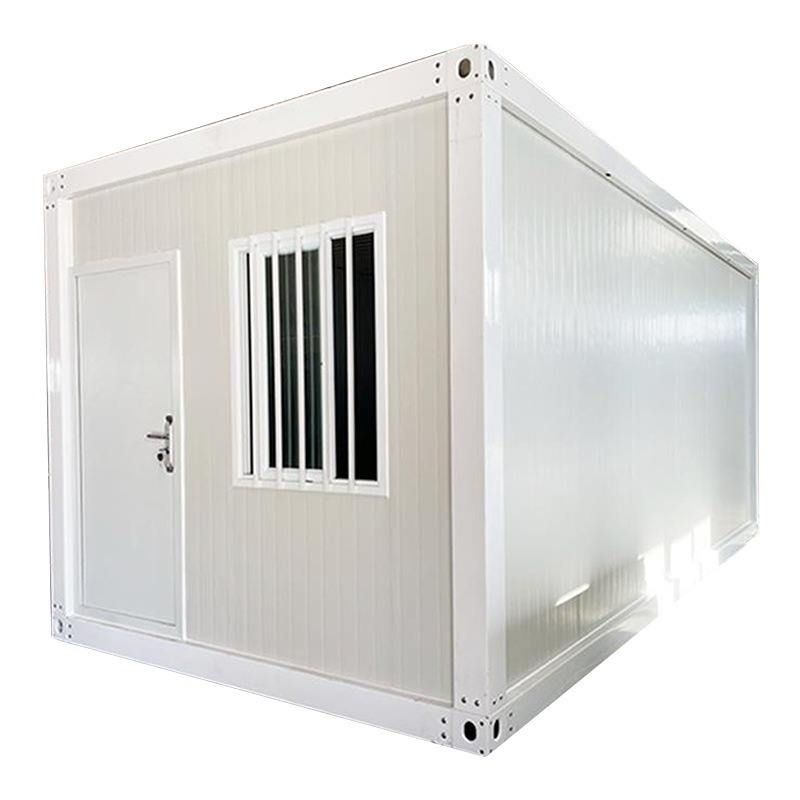
The portability and independence of packed toilets make them ideal choices for outdoor activities, temporary gatherings, construction site operations, and remote areas. Their outer shells are usually made of stainless steel or high-density polyethylene. The former is corrosion-resistant and impact-resistant, suitable for long-term outdoor use; the latter is lightweight and weather-resistant, facilitating frequent movement. Internal configurations can be customized according to needs, such as adding sinks, lighting equipment, or intelligent monitoring systems. The latter can provide real-time feedback on toilet stall usage status and the remaining amount of packing bags, improving management efficiency.
Maintenance and Replacement Standards
In daily maintenance, the replacement frequency of packing bags depends on the number of users, generally every 100 to 200 uses. If the number of users is high or the ambient temperature is high, the replacement cycle should be shortened to avoid odors or leaks. Maintenance personnel also need to regularly clean the fecal storage tanks to prevent residue from clogging the pipes; lubricate and inspect the sealing mechanism to ensure smooth operation of mechanical components. In addition, the integrity of the degradation film should be carefully checked; if damaged, it may lead to sealing failure and requires immediate replacement.
Environmental Protection and Sustainability
Packed toilets significantly reduce their impact on the environment by minimizing water consumption and sewage discharge requirements. The collected excrement can be transported to treatment plants for conversion into organic fertilizer or biogas through composting or anaerobic fermentation, achieving resource recycling. Some manufacturers also use biodegradable plastic bags to further reduce the risk of plastic pollution.



