
Mobile Toilet Outdoor Toilet Supplies
Mobile toilet outdoor toilet supplies mainly consist of fecal sewage storage tanks (or fecal sewage treatment devices), floor slabs, sanitary ware, walls, washing equipment, water tanks, roofs, and mobile devices, among other parts. Here is a detailed introduction to each part:
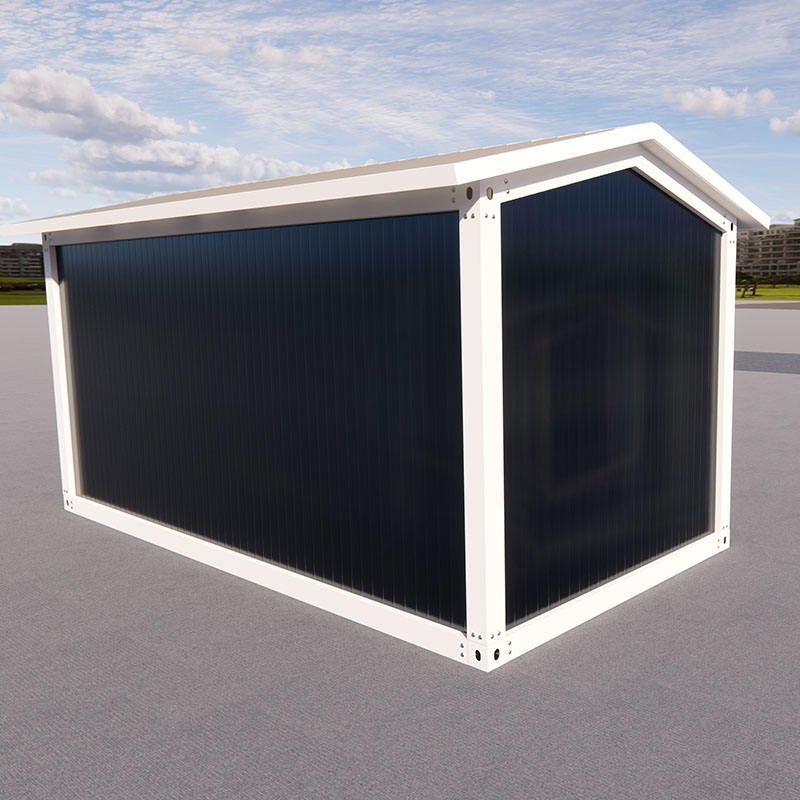
Fecal sewage storage tank or treatment device: This is one of the core components of a mobile toilet. The fecal sewage storage tank is used to temporarily store feces and sewage, preventing their leakage and causing environmental pollution. When cleaning is required, the waste in the storage tank can be extracted and treated using specialized equipment. The fecal sewage treatment device is more advanced, capable of on-site treatment of feces and sewage, for example, through biological degradation, chemical treatment, and other methods, converting waste into harmless or dischargeable substances, reducing reliance on external cleaning, and improving convenience and environmental friendliness of use.
Floor slab: The floor slab needs to have good anti-slip, waterproof, and easy-to-clean properties. In outdoor environments, the ground may be damp or have standing water, and anti-slip flooring can prevent users from slipping and getting injured. The waterproof property prevents sewage from seeping into the ground, protecting soil and groundwater from pollution. The easy-to-clean feature allows for quick removal of stains and odors during toilet cleaning, maintaining internal hygiene.
Sanitary ware: Typically includes toilets or squat toilets, etc. The design of these fixtures should conform to ergonomics, providing comfortable use while being durable and easy to clean. Some mobile toilets are also equipped with toilet seat paper or disposable toilet seats to enhance hygiene during use.
Walls: Walls serve to divide space and protect privacy. They need to have a certain degree of strength and stability, capable of withstanding a certain amount of external force impact. At the same time, the wall materials should have good thermal insulation and sound insulation properties, providing users with a relatively comfortable and quiet environment.
Washing equipment: Generally includes washbasins, faucets, etc. The washbasin should be large enough for users to wash their hands conveniently, and the faucet should be able to provide a stable water flow. Some mobile toilets are also equipped with hand-drying equipment, such as hand dryers or paper towel dispensers.
Water tank: The water tank is used to store clean water, providing a water source for sanitary ware and washing equipment. The capacity of the water tank should be reasonably designed according to the number of users and frequency of use of the mobile toilet to ensure an adequate water supply.
Roof: The roof can block sunlight, rain, and snow, protecting the interior of the toilet from weather effects. It needs to have good waterproof, sun-proof, and thermal insulation properties to extend the service life of the mobile toilet.
Mobile device: Allows the mobile toilet to be flexibly moved and arranged as needed, suitable for various outdoor venues such as construction sites, large event venues, and tourist attractions.



