
Mobile Toilet No Flush Failure
The failure of a mobile toilet not to flush may be caused by a malfunctioning water supply filter, internal blockage of the solenoid valve, low water pressure, or a fault in the solenoid valve's wiring. Solutions include cleaning the filter, replacing the solenoid valve, increasing water pressure, or inspecting the wiring.
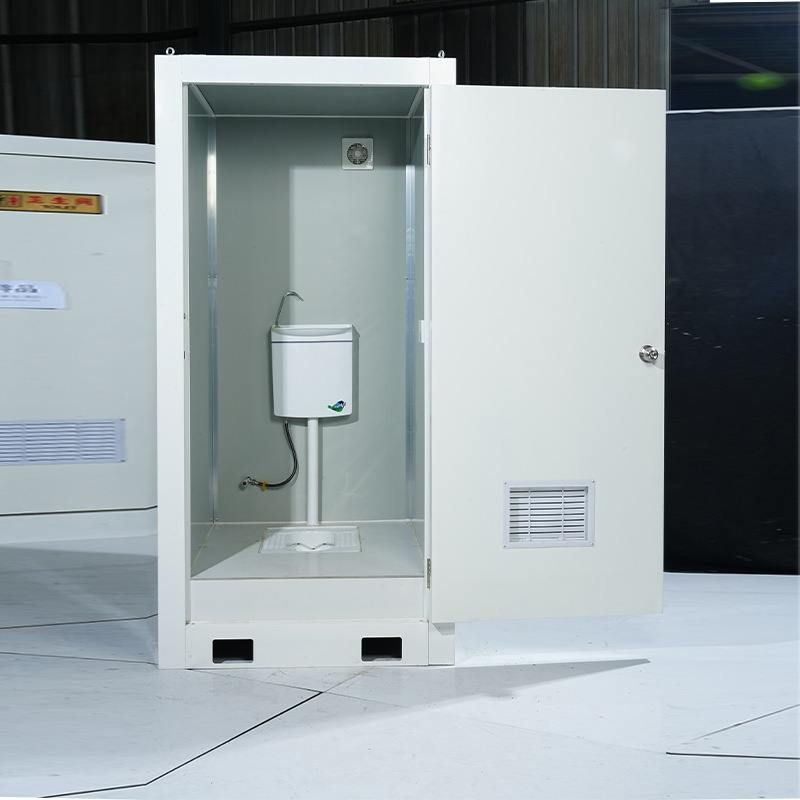
Water Supply Filter Malfunction: If the water supply filter is not cleaned for an extended period, the filter element can gradually become clogged with impurities, preventing water from flowing smoothly and affecting the flushing function. The solution is to regularly clean the water supply filter, removing dirt and impurities from the filter element to restore normal water flow. When cleaning, follow the product manual's instructions to ensure thorough cleaning without damaging the filter.
Internal Blockage of the Solenoid Valve: The solenoid valve is a key component controlling flushing. Its internal parts, such as the valve core and body, may wear out due to sediment buildup or prolonged use of small inlet pipes, preventing the solenoid valve from opening or closing properly and affecting flushing. If the solenoid valve is worn or damaged internally, it needs to be replaced with a new one. When replacing, choose the appropriate model to avoid back pressure caused by mismatched models, which could damage the public toilet's plumbing.
Low Water Pressure: When the water pressure in the supply pipes is insufficient, the solenoid valve may not function properly, resulting in poor or no flushing. The solution is to increase the water pressure, which can be achieved by adjusting the pressure in the supply pipes or installing a booster pump. When adjusting the water pressure, ensure it remains within a reasonable range to avoid damage to the equipment from excessive or insufficient pressure.
Fault in the Solenoid Valve's Wiring: If the solenoid valve's wiring is squeezed, pulled, or has poor wire contact, it may prevent the solenoid valve from functioning properly. The solution is to inspect the appearance of the solenoid valve's wiring for damage and check the wire connections for good contact. If any damage or poor contact is found, perform maintenance promptly, such as replacing damaged wires or reconnecting poorly connected wires.
Additionally, when repairing or replacing the solenoid valve in a public toilet, disconnect the power and lighting first to ensure operational safety. Regular cleaning and maintenance of mobile public toilets can effectively prevent facility failures and extend the equipment's service life.



