
Which Material is Best for Mobile Toilets
The selection of materials for mobile toilets should be based on a comprehensive assessment of the usage scenario, budget, and maintenance requirements. Among common materials, aluminum alloy, fiberglass-reinforced plastic (FRP), stainless steel, and PVC panels stand out for their performance, but each has its own suitable conditions.
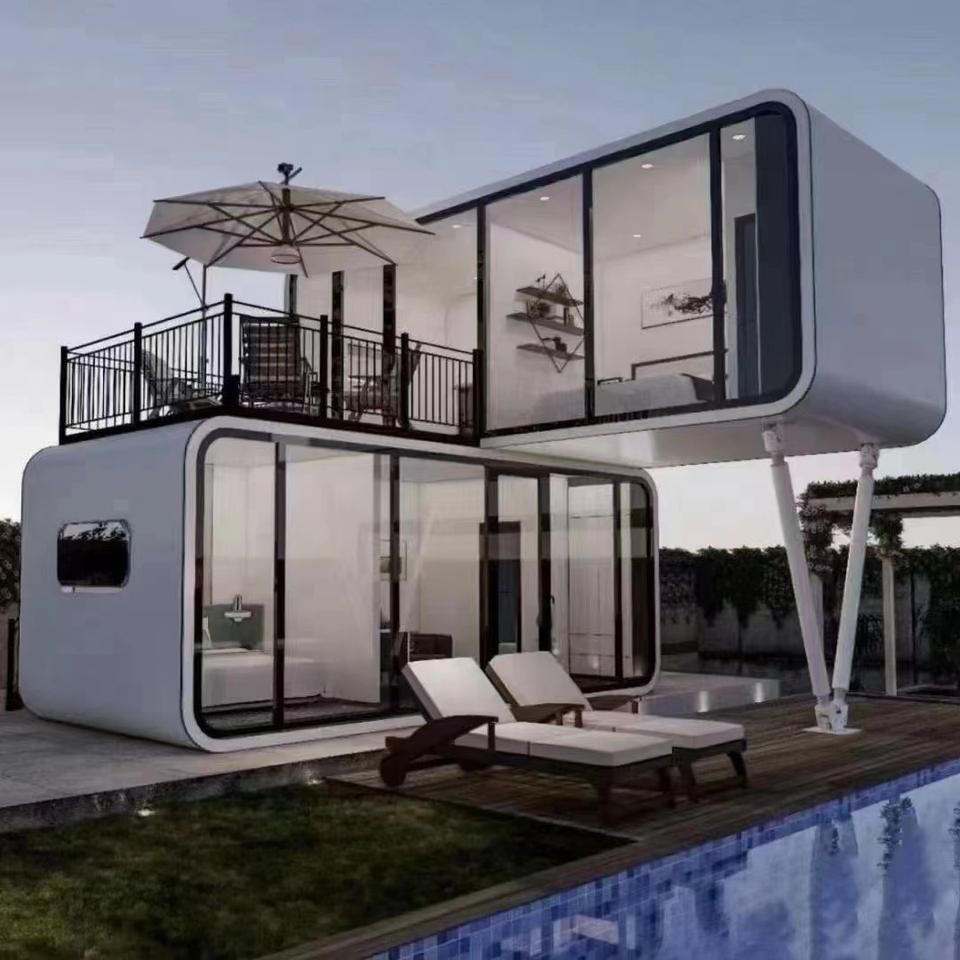
1. Temporary Event Scenarios: Aluminum Alloy + PVC Panel Combination is Optimal
The aluminum alloy frame is lightweight (3-5kg/m²) and highly corrosion-resistant. After oxidation or fluorocarbon spraying treatment on its surface, it can be exposed to humid environments (such as coastal areas) for long periods and is easy to move frequently. Paired with PVC panels for interior decoration, their waterproof and moisture-proof properties meet the rapid installation needs of temporary events (such as exhibitions and music festivals). PVC panels are cost-effective (50-150 yuan/m²) and can have patterns printed on their surface to enhance aesthetics. However, it is essential to choose products that comply with RoHS environmental standards to avoid the release of harmful gases from inferior materials. This combination costs approximately 3000-8000 yuan per unit, balancing portability and economy.
2. Long-Term Usage Scenarios: FRP or Stainless Steel are More Durable
FRP is composed of resin and glass fiber, with strength close to that of steel but only 1/4 to 1/3 of its weight. It exhibits excellent corrosion resistance, aging resistance, and thermal insulation properties, making it suitable for humid or rainy environments such as construction sites and scenic spots. However, its surface is prone to scratches, and repair costs are high, requiring regular maintenance. Stainless steel has extremely strong corrosion resistance and is particularly suitable for high-humidity or chemically corrosive environments (such as coastal areas and chemical sites). However, it is more expensive (about 1.5-2 times that of aluminum alloy) and difficult to process, typically used for small-area components such as water tanks and pipes. If the budget is sufficient and hygiene requirements are high, a stainless steel integral structure can be selected; if balancing cost and durability is necessary, FRP is a better choice.
3. Special Environmental Requirements: Targeted Materials are More Efficient
- High-Density Polyethylene (HDPE) Panels: UV-resistant and impact-resistant, commonly used for the bottom and exterior decoration of toilets, priced at approximately 200-500 yuan/m², suitable for long-term outdoor exposure scenarios.
- Rock Wool Sandwich Panels: Filled with rock wool with a density of ≥80kg/m³, they offer significant sound insulation and thermal insulation effects, with a fire rating of Class A, suitable for densely populated areas (such as schools and shopping malls).
- Color Steel Panels: Wind-resistant, aging-resistant, and highly flame-retardant, with metal carved insulation panels for exterior walls, double-sided fireproof panels for interior walls, and lightweight PVC hollow扣板 (buckle panels) for ceilings, their comprehensive performance is suitable for mobile environmental toilets.
4. Simple Scenarios: High-Density Waterproof Fabric is Portable and Flexible
For outdoor activities (such as camping and fishing) or household backup scenarios, simple mobile toilets (such as shower tents) made of high-density waterproof fabric offer advantages such as waterproofing, easy folding, and strong portability. They can be quickly set up and are cost-effective but are only suitable for short-term, low-frequency use.
Summary: For temporary events, prioritize aluminum alloy + PVC panels; for long-term use, recommend FRP or stainless steel; for special environments, choose rock wool sandwich panels or color steel panels based on fire prevention and sound insulation needs; for simple scenarios, high-density waterproof fabric is the main choice. Users should comprehensively evaluate the durability, maintenance costs, and user experience of materials based on their budget, usage frequency, and environmental conditions.



