
Mobile Toilet Market Analysis
The Chinese portable toilet/mobile toilet market is experiencing rapid growth, with a market size of 1.87 billion yuan in 2024. It is expected that the Xining market will exceed 12 million yuan by 2026, with demand-driven factors, technological upgrades, and regional differentiation being the core characteristics.
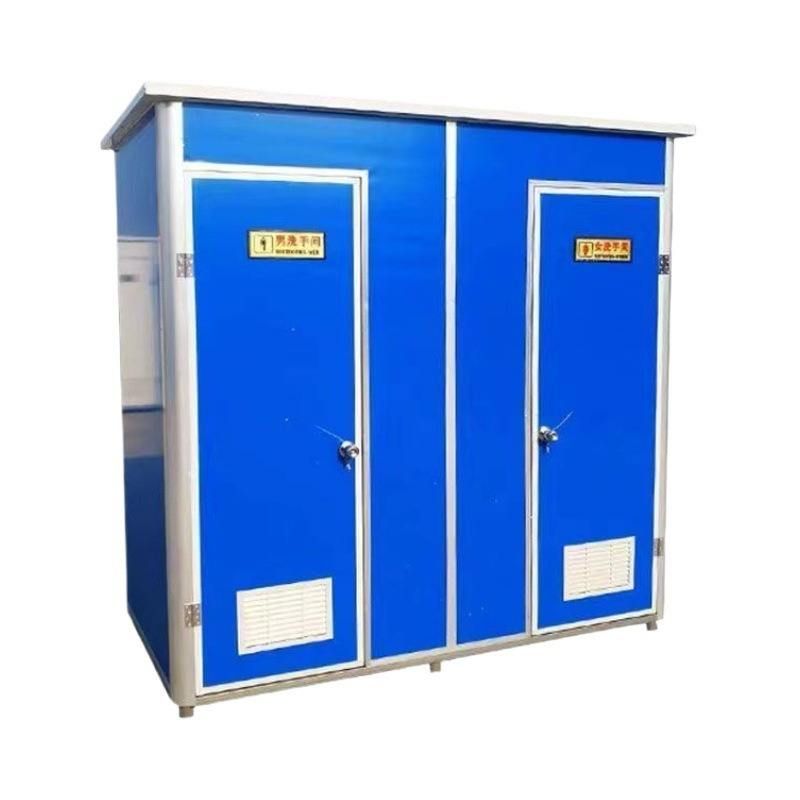
I. Market Size and Regional Distribution
The national market saw a year-on-year growth of 14.3% in 2024. Among them, the eastern coastal regions (Jiangsu, Zhejiang, Guangdong) accounted for over 40% of the demand due to their high urbanization levels. The central and western regions (Sichuan, Yunnan, Gansu) showed significant growth, driven by the 'Toilet Revolution' policy, with strong demand for rural and scenic area renovations. The Xining market serves as a typical case, with a size of 8 million yuan in 2024 and expected to exceed 12 million yuan by 2026, primarily driven by large-scale events, scenic area development, and urban construction.
II. Demand Scenarios and Technological Pathways
Demand has shifted from emergency to regular use, with core scenarios including:
- Elderly Care: The popularization of home adaptations for the elderly has driven the widespread adoption of portable toilets;
- Outdoor Cultural and Tourism: Leisure activities such as camping and RV travel have spurred demand growth;
- Emergency Disaster Relief: There is a rigid demand for temporary facilities at disaster sites, such as the crucial role played by mobile toilets after the heavy rain in Qinghai in 2025.
In terms of technology, microbial degradation technology (adopted in about 46% of new projects in 2024) and foam sealing technology (accounting for about 29% of the market) are the mainstream. Additional features such as solar power supply and intelligent monitoring (sensor-based flushing and deodorization systems) are gradually becoming standard in high-end products.
III. Competitive Landscape and Industry Pain Points
The market is highly concentrated, with the top five companies accounting for nearly 60% of the market share in 2024. Small and medium-sized enterprises have established differentiated advantages through niche areas such as products suitable for high-altitude regions and extreme climate durability designs. Leading companies offer customized solutions, and some are exploring IoT monitoring of usage status. Industry pain points include:
- Lack of Standardization: There are significant differences in product functions, prices, and applicable scenarios, necessitating a unified classification system;
- High Operation and Maintenance Costs: The initial investment in high-end technologies such as microbial degradation is high, limiting their promotion in some scenarios.
IV. Future Trends
Intelligence, environmental protection, and segmentation are the main directions:
- Intelligent Upgrades: The popularization of sensor-based flushing, deodorization systems, and IoT monitoring;
- Application of Environmentally Friendly Materials: The research and development of degradable toilet fixtures and water-saving equipment meet the requirements of eco-city construction;
- Expansion of Segmented Markets: Such as the design of dedicated products for high-altitude regions and extreme climate conditions;
- Standardization of Services: Cities like Xining are promoting the development of standardized and customized services.



