
How Long Does a Mobile Toilet Last and When to Replace It
The lifespan of a mobile toilet typically ranges from 5 to 15 years, but depending on the material, usage environment, and maintenance, it can be extended from 3 years to over 20 years. The specific influencing factors and replacement recommendations are as follows:
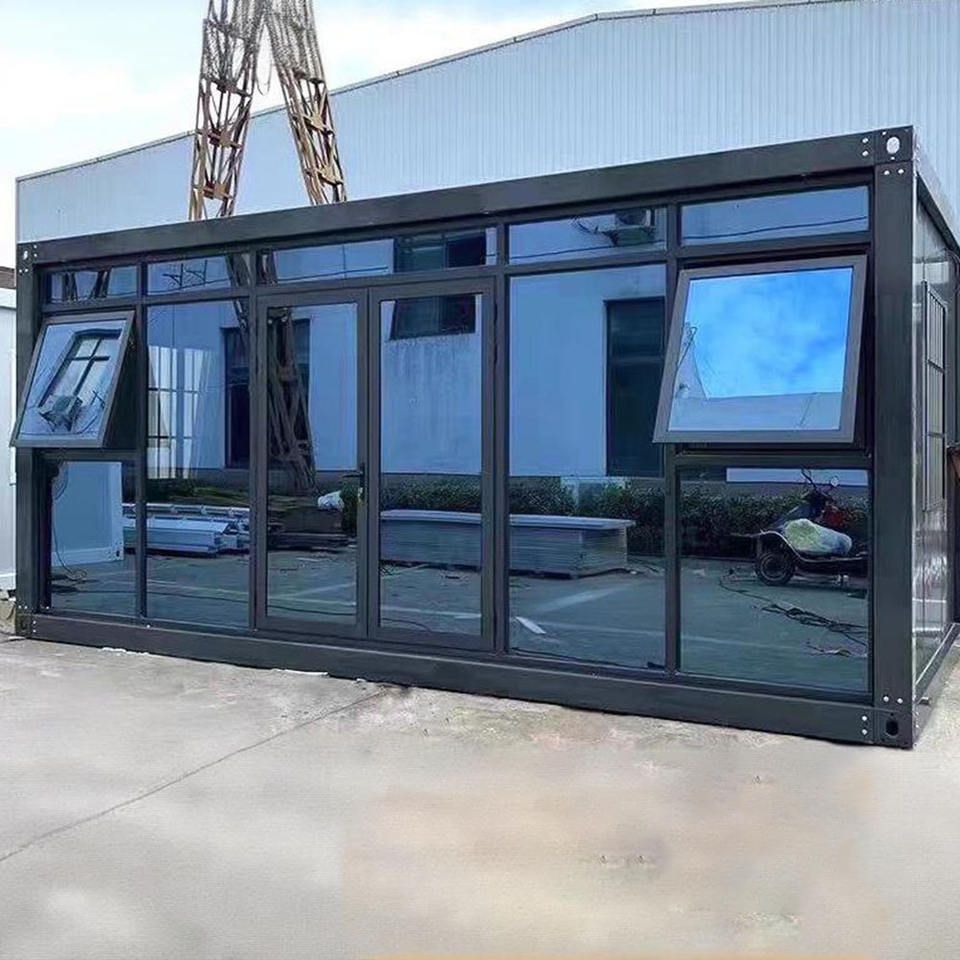
Material is the core factor determining lifespan. Mobile toilets with hot-dip galvanized steel pipe or high-quality stainless steel frames, when properly treated for corrosion resistance, see a significant improvement in anti-corrosion properties and structural stability, with a lifespan exceeding 10 years, even over 20 years. For example, stainless steel in dry environments rarely requires frequent component replacement. In contrast, products made of ordinary steel or fiberglass-reinforced plastic may experience accelerated corrosion in humid, sandy, or high-salt-mist environments, leading to reduced structural strength and a shortened lifespan of 3-5 years.
Usage environment directly affects wear rate. In dry, well-ventilated areas with low foot traffic (such as isolated areas in scenic spots), mechanical wear and chemical corrosion of mobile toilets are low, allowing their lifespan to be extended to 15 years. Conversely, in high-intensity usage scenarios like construction sites or large event venues, frequent mechanical impacts, foot traffic, and sand intrusion accelerate component aging, necessitating repairs or replacement of key parts (such as door locks and sewage pipes) within 3-5 years. Additionally, in coastal areas with strong salt-mist corrosion, even stainless steel mobile toilets may have a shortened lifespan of 8-10 years.
Maintenance is key to extending lifespan. Regular cleaning (at least once a week), checking component tightness (such as screws and hinges), and applying anti-corrosion coatings can significantly delay material aging. For example, applying anti-rust treatment to metal frames every six months can bring the lifespan close to the upper limit (15 years or more). Without maintenance, even initially high-quality materials may suffer from drainage system blockages due to dirt accumulation or structural collapse due to unaddressed corrosion, leading to报废 (scrapping) within a few years.
Replacement recommendations: Consider replacing the entire mobile toilet when it shows severe frame corrosion (such as rust penetration exceeding 1/3 of the thickness), structural instability (such as ground tilt exceeding 5 degrees), frequent failures (such as more than 2 repairs per month), or inability to meet usage needs (such as insufficient toilet stalls or outdated sewage disposal methods). By choosing high-quality materials, improving the usage environment (such as adding rain shelters to reduce rain erosion), and strengthening maintenance, you can significantly extend its lifespan and reduce long-term costs.



