
Volver al blog
Artículo
Mobile Toilet Layout Requirements
Admin 22 de septiembre de 2026
Mobile toilet layout requirements cover five major aspects: site selection, facility configuration, installation and placement, sanitation maintenance, and compliance reporting. The specific standards are as follows:
1. Site Selection Standards
- Distance and Environmental Requirements: Mobile toilets should be located away from main walkways, entrances/exits, and crowded areas, maintaining a minimum safety distance of 1.5 meters from building exteriors to avoid obstructing passage. They should be placed in elevated areas with good drainage, avoiding low-lying spots prone to waterlogging, and kept away from pollution sources (e.g., garbage stations, sewage pipes).
- Site Conditions: The surrounding ground must be firm and level to facilitate vehicle access and daily maintenance. When installed in scenic spots or plazas, coordination with management is required to designate dedicated spaces, avoiding visual obstructions in core activity areas and ensuring harmony with the surrounding environment.
2. Facility Configuration and Standards
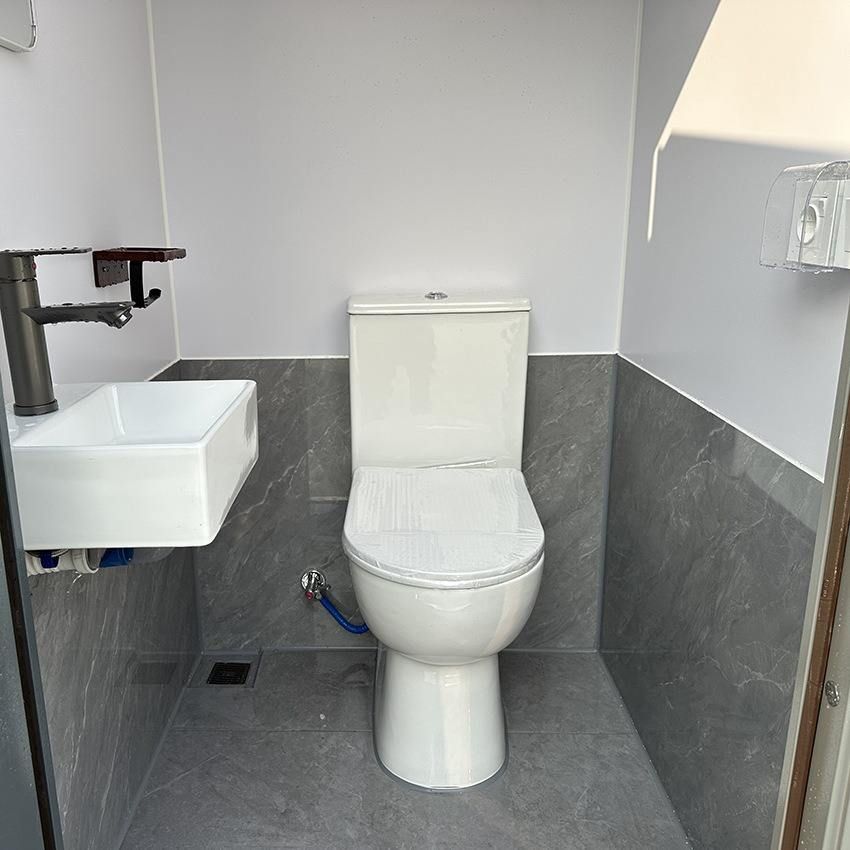
- Basic Configuration: Each mobile toilet must be equipped with a flushing system, sink, toilet paper holder, hooks, and other facilities. Heating devices may be installed in winter. Consumables such as toilet paper and hand soap must be provided internally to ensure cleanliness.
- Quantity and Ratio: Based on user estimates, one toilet is generally provided per 50 people. For large events (e.g., music festivals, exhibitions), allocate one toilet per 50-100 people and increase reserves by 10%-20%. The recommended male-to-female toilet ratio is 1:1.5 to prevent queues during peak hours.
3. Installation and Placement Standards
- Stability: Upon arrival, ground anchors, counterweights, or other securing devices must be used to ensure equipment stability and prevent displacement due to wind or collisions.
- Signage and Lighting: Clear male/female signs must be displayed outside the toilets, using eco-friendly materials to minimize site damage. Nighttime lighting is required, with additional anti-slip measures for events held after dark to ensure safety.
4. Sanitation and Maintenance Requirements
- Cleaning Frequency: The lessee must conduct a comprehensive cleaning at least once daily, promptly removing waste to ensure no odors or stains inside or outside the facilities. Dedicated personnel should be assigned to regularly inspect equipment operation during the rental period.
- Emergency Response: A basic toolkit (e.g., plunger, disinfectant) must be available for quick repairs in case of equipment failure. In severe weather (e.g., heavy rain, strong winds), facilities must be reinforced and drainage systems checked to prevent damage.
5. Compliance and Reporting Procedures
- Advance Reporting: Prior to use, notification must be submitted to local municipal authorities or management units, specifying usage time, location, and quantity. Some areas may require submission of a site plan.
- Qualification Verification: Choose a licensed rental company and confirm it possesses operational qualifications and safety measures for the equipment. Avoid unqualified providers to ensure compliance.
Relacionados



