
Introduction to Mobile Toilets
Mobile toilets are facilities that can be moved as a whole and provide toilet services to the public. They are suitable for a variety of locations and come with multiple technological types and configuration options.
Suitable Locations
Mobile toilets are suitable for stations, docks, tourist attractions, villa areas, newly built residential communities, large construction sites, squares, densely populated public places, and bustling commercial streets. In cold northern regions, their interior walls are insulated, and they feature thickened entrance doors, 304 stainless steel squat toilets, and PE energy-saving water tanks to adapt to special climatic conditions.
Technological Types
- Classified by sewage treatment methods: There are water-flush and waterless suction types, circulating water-flush types, and dry-packing types. The circulating water-flush type is equipped with intermittent aerobic and anaerobic sewage treatment devices for fecal matter. It adds biological strains and uses biofilm technology to accelerate decomposition, allowing the treated water to be recycled for flushing. The dry-packing type, a waterless flushing device, collects excreta in biodegradable plastic bags, automatically replaces the bags after use, and collects them for centralized treatment.
- Other common technological types: These include foam-blocking types, packing types, water-saving flush types, waterless rechargeable types, and microbial types. Smart water-saving ecological and environmentally friendly toilets automatically collect urine and hand-washing water, add water-saving special agents, and achieve a flushing effect of approximately 0.46 liters per person. Additionally, there are technologies such as direct water-flush discharge types, waterless flush packing types, foam-blocking direct discharge types, and foam-blocking storage types.
Structure and Configuration
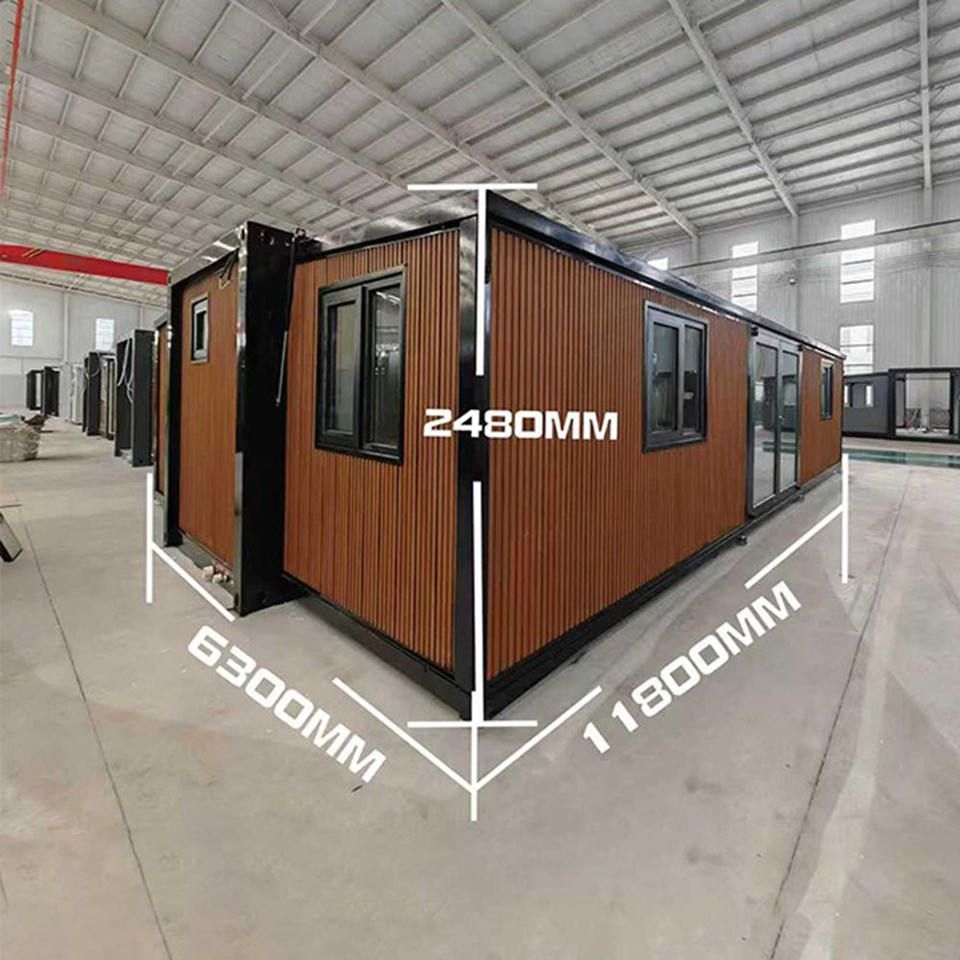
- Exterior wall materials: These can be selected according to customer requirements or the surrounding environment of the usage location, including color-coated steel plates, metal carved plates, anti-corrosion wood, stainless steel plates, and aluminum-plastic plates.
- Main structure: It adopts national standard light steel keel welding to meet the requirements for overall hoisting.
- Standard configuration: This includes toilet bowls (urinals), coat hooks, vanity mirrors, paper baskets, lighting fixtures, exhaust fans, door locks, and occupancy indicator lights.
- Optional configuration: Options include air conditioners (heating and cooling), air purifiers, anti-freeze systems, heating systems, background music, hand-washing basins, and water-saving faucets.
Advantages and Characteristics
Mobile toilets employ intelligent control systems and insulation systems, ensuring scientific and safe operation, and are equipped with upper and lower water tanks. The materials used are mostly environmentally friendly panels with recycling value, and the main materials have a long design life. They occupy a small area, have low land dependency, short construction periods, and can be reused.



