
Mobile Toilet Insulation Board
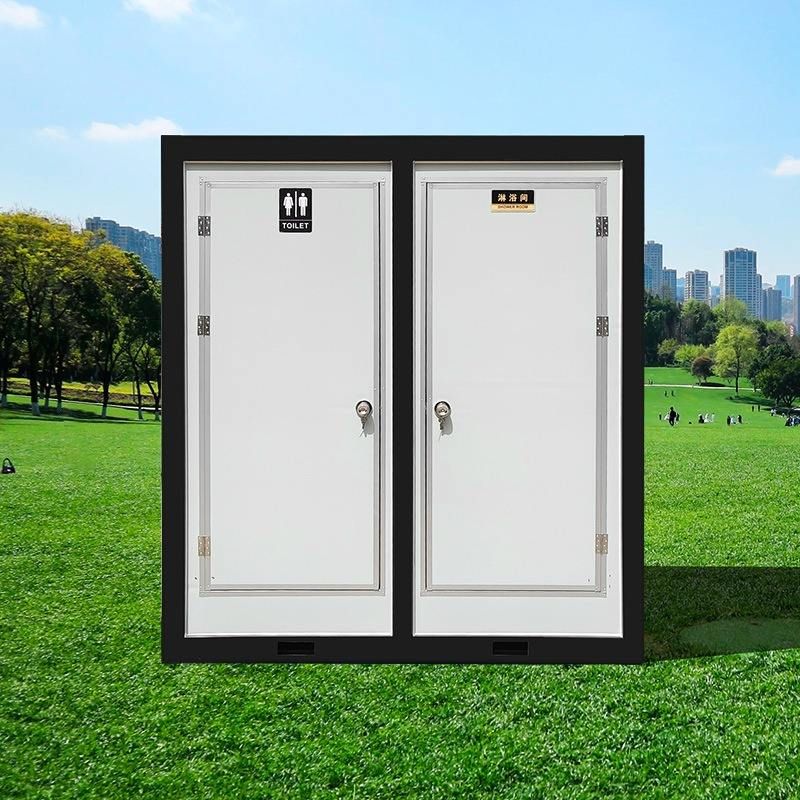
The mobile toilet insulation board is a key material used to enhance the environmental comfort and reduce energy consumption of mobile toilets. Common types include metal embossed panels and thermal insulation rock wool panels, which possess properties such as thermal insulation, heat resistance, and corrosion resistance, and are widely applied in scenic spots, construction sites, and other settings.
Common Types and Characteristics
Metal Embossed Panels
Metal embossed panels are one of the mainstream materials for thermal insulation in mobile toilets. Their surfaces feature three-dimensional textures (such as deep wood grain colors) created through embossing processes, combining aesthetics with functionality. These panels use galvanized steel sheets as the base material, filled with high-efficiency insulation layers such as polyurethane or rock wool, which have low thermal conductivity and effectively block the transfer of external temperatures. For example, a mobile toilet project in Sichuan adopted metal embossed panels for shower rooms, resulting in indoor temperatures 5-8°C lower than the outdoors during summer heat; in winter, it reduced heating losses, demonstrating significant energy-saving effects. Additionally, the surface coatings of metal embossed panels are weather-resistant, protecting against ultraviolet rays and acid rain erosion, thereby extending their service life.Thermal Insulation Rock Wool Panels
Thermal insulation rock wool panels are made from natural ores such as basalt, which are melted at high temperatures and then fiberized. They possess Class A fire resistance (non-combustible) and excellent thermal insulation properties. In prefabricated three-person restrooms, stainless steel interiors combined with rock wool panels ensure structural strength while locking air within the rock wool's microporous structure to form an insulation layer. These materials are suitable for extremely cold or hot regions. For instance, a mobile toilet project in a scenic spot in Hebei, after adopting rock wool panels, saw the indoor temperature fluctuation range reduced to ±2°C in winter, decreasing the operating time of heating equipment.
Application Scenarios and Advantages
Mobile toilet insulation boards have a wide range of application scenarios, including tourist attractions, construction sites, and temporary event venues. Their core advantages include:
- Environmental Adaptability: By using insulation materials to reduce the impact of external temperatures on the interior, they prevent stuffiness in summer and freezing in winter, enhancing user comfort.
- Energy Efficiency: They lower the frequency of air conditioning or heating usage, with estimates suggesting that mobile toilets using high-efficiency insulation boards can reduce energy consumption by 30%-50%.
- Durability: Both metal embossed panels and rock wool panels are corrosion-resistant and aging-resistant, adapting to harsh environments such as humidity and salt spray, thereby reducing maintenance costs.
Typical Case
A six-stall mobile toilet project selected deep wood grain-colored metal embossed panels, meeting winter usage demands in northern regions through their thermal insulation properties and adapting to the high salt spray environment of coastal areas with their corrosion resistance. Companies like Hebei Shengda Energy-Saving Building Materials Co., Ltd. have further simplified construction processes and enhanced product competitiveness by developing integrated thermal insulation and decorative panel technologies, integrating the insulation and decorative layers of mobile toilets.



