
Mobile Toilet Installer
Currently, there is no detailed introduction specifically for the independent occupation of 'Mobile Toilet Installer,' but the installation of mobile toilets is typically undertaken by professional teams from relevant environmental protection technology or industrial companies. Here is a detailed overview of mobile toilet installation:
I. Providers of Installation Services
The installation of mobile toilets is usually carried out by qualified enterprises. For example, Shaanxi Juntianmeng Industrial Co., Ltd. provides installation services for mobile restrooms in the Shaanxi region, covering the entire process from equipment transportation to on-site assembly. Sichuan Baishixin Environmental Protection Technology Co., Ltd. offers customized mobile toilet services and public restroom installation services, with its professional team capable of completing on-site installations. These companies typically have experienced technicians who can develop installation plans based on customer needs and site conditions.
II. Installation Process and Technical Requirements
- Site Survey: Before installation, the site must be evaluated, including ground flatness, drainage conditions, and power access, to ensure compliance with the usage requirements of mobile toilets. For example, if connection to the municipal drainage system is required, pipeline routing must be planned in advance; if an independent sewage treatment unit is used, installation space must be reserved.
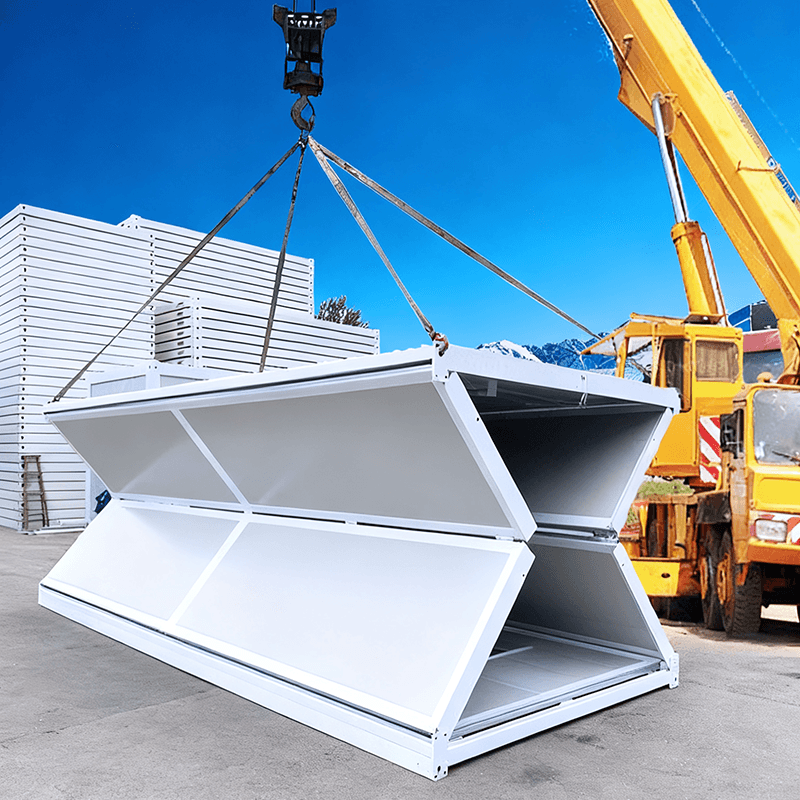
- Equipment Transportation and Assembly: Mobile toilets are usually transported to the site in modular form, and technicians must assemble them according to the instructions. Key steps include securing the base, connecting the walls, installing doors and windows, and setting up internal facilities (such as toilets, sinks, and ventilation systems).
- Functional Testing: After assembly, power and water tests must be conducted to check whether the sewage system, lighting, deodorization devices, etc., are functioning properly. For example, foam-sealing mobile toilets require adjustment of the foam solution ratio to ensure sealing effectiveness; microbial degradation toilets require activation of the biological treatment system.
- Acceptance and Handover: Upon completion of installation, the company will conduct a joint acceptance with the customer to confirm that the equipment is free from leaks, odors, and other issues, and provide training on usage precautions (such as cleaning cycles and consumable replacement methods).
III. Industry Development Trends
With increasing environmental protection requirements, mobile toilet installation technology is evolving towards intelligence and modularity. For example, some companies have introduced smart toilets that can be remotely monitored, providing real-time feedback on usage status through sensors; modular design has significantly improved installation efficiency, with some models deployable within 2 hours. In the future, mobile toilet installers may need to master more interdisciplinary knowledge, such as IoT technology and sewage treatment processes.



