
Analysis of the Current Situation in the Mobile Toilet Industry
The mobile toilet industry is currently in a stage of rapid development, with a continuously expanding market size, significant regional distribution differences, continuous innovation in product types and technologies, diversified application scenarios, a competitive landscape featuring both concentrated market share among leading companies and differentiated competition among small and medium-sized enterprises, and policies and standards driving the industry towards standardized development.
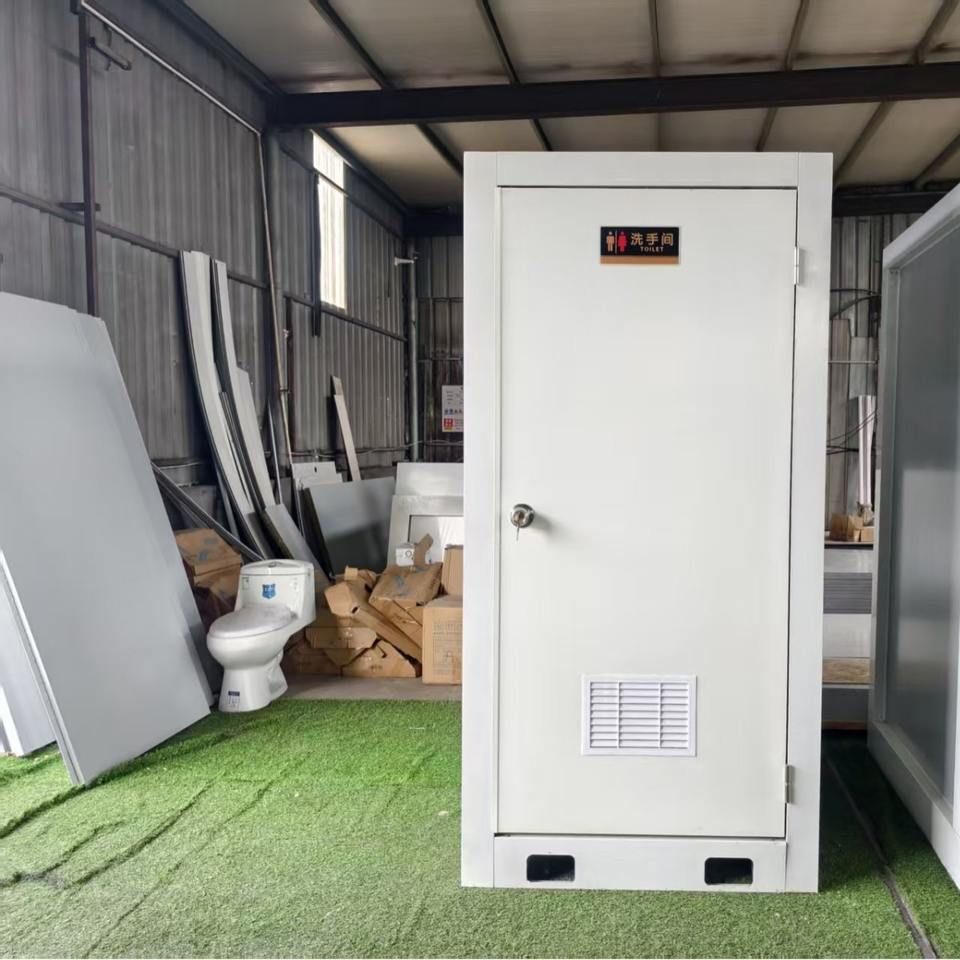
Market Size and Growth: In 2024, the market size of China's eco-friendly mobile toilet industry reached 1.87 billion yuan, a year-on-year increase of 14.3%, and is expected to maintain a positive momentum in 2025. The mobile toilet industry in Hunan generated revenue of 780 million yuan in 2024, a year-on-year increase of 18%. The number of mobile toilets in use is expected to exceed 5,000 units in 2025, and the market size may surpass 1 billion yuan in 2026.
Regional Distribution: Eco-friendly mobile toilets are most widely used in the eastern coastal regions, accounting for over 40% of market demand in 2024, with Jiangsu, Zhejiang, and Guangdong being the main growth engines. The central and western regions are experiencing significant growth, with provinces such as Sichuan, Yunnan, and Gansu rapidly adopting mobile toilets under policy guidance. The mobile toilet industry in Hunan has formed two major bases in Changsha and Yueyang, with Changsha hosting 12 core enterprises and Yueyang serving as a transit hub leveraging its port logistics.
Product Types and Technologies: Water-saving products account for approximately 58% of the market share and are suitable for locations with stable water supply. Waterless products make up nearly 35% of the market and are used in remote areas. Simple portable toilets are positioned as cost-effective options. In terms of technology, microbial degradation technology is adopted by about 46% of products, foam sealing technology accounts for 29%, and intelligent technologies (such as IoT monitoring and solar power supply) have increased to 68% in the products of some enterprises in Hunan.
Application Scenarios: Traditional scenarios such as tourist attractions and exhibitions remain the primary demand drivers. Emerging scenarios include supporting facilities for rural tourism homestays, temporary work sites for municipal engineering projects, and emergency support (such as supporting facilities for fangcang hospitals). Portable toilets span four major scenarios: elderly care, outdoor cultural tourism, emergency disaster relief, and engineering infrastructure construction.
Competitive Landscape: Leading companies account for nearly 60% of the market share and have significant advantages in technology, manufacturing, and services. Small and medium-sized enterprises focus on niche areas (such as products suitable for high-altitude regions and extreme climate designs) to form differentiated competition. The industrial cluster effect in Hunan is prominent, with enterprises across the province generating revenue of 780 million yuan in 2024.
Policies and Standards: National policies on ecological civilization construction, rural revitalization strategies, and the toilet revolution continue to drive industry development. In 2025, Hunan Province established a standardized technical committee to promote the formulation of eight local standards, including product dimensions and environmental protection standards.



