
Volver al blog
Artículo
Mobile Toilet Industry Classification
Admin 22 de septiembre de 2026
The mobile toilet industry can be classified from five dimensions: structural form, mobility method, sewage treatment method, functional characteristics, and application scenarios. Details are as follows:
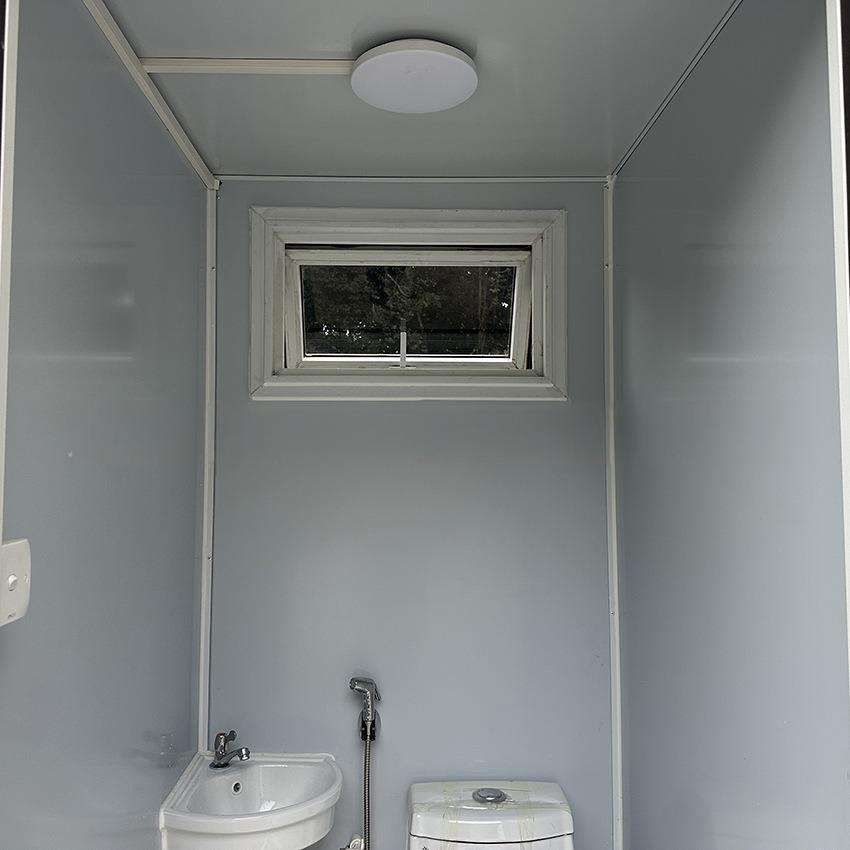
1. Classification by Structural Form
Mobile toilets can be divided into two categories: single-unit structures and composite structures. Single-unit structures are typically independent units, small in size, and suitable for single-person or small-scale use scenarios. Composite structures are composed of multiple modules, offering larger space and richer functions, commonly found in large-scale events or public places.
2. Classification by Mobility Method
- Lifting/Handling Type: Relies on lifting equipment or manual handling, offering high flexibility but limited mobility range.
- Powered/Trailer Type: Moved by vehicle traction or equipped with its own power system, featuring larger internal space and high transportation efficiency.
- Sub-categories: Includes single-unit type (small size, single-person use), trailer type (vehicle traction, large space), and container type (standard container size, stackable for transportation), meeting transportation needs in different scenarios.
3. Classification by Sewage Treatment Method
- Flush and Non-flush Suction Type: Flush type relies on water for flushing, offering better hygiene conditions; non-flush type sucks feces into a storage tank, suitable for water-scarce areas.
- Recirculating Flush Type: Adopts a water circulation system, reusing water resources through filtration and disinfection technologies, achieving significant water-saving effects.
- Sub-categories of Sewage Disposal Systems: Includes direct discharge type (directly connected to municipal sewage networks), storage type (storage tank cleaned periodically), and biodegradation type (using microorganisms to decompose feces), adapting to different environmental protection requirements.
4. Classification by Functional Characteristics
- Ordinary Mobile Toilets: Simple structure, equipped with basic facilities, suitable for temporary locations.
- Flush Mobile Toilets: Equipped with a flush system, improving hygiene conditions, suitable for occasions with high cleanliness requirements.
- Eco-friendly Mobile Toilets: Adopt water-saving technologies or renewable energy sources (such as solar energy), reducing environmental pollution, suitable for areas with strict environmental protection requirements.
- Smart Mobile Toilets: Integrate smart control systems, automatic sensing devices (such as sensor faucets, flushing devices), and energy-saving technologies, commonly found in high-end commercial areas or scenic spots.
5. Classification by Application Scenarios
- Urban Public Type: Requires barrier-free facilities and smart management systems, with some needing third toilets to meet the needs of special groups.
- Tourist Attraction Type: Design focuses on blending with the surrounding environment, equipped with air purification systems and landscape greening, enhancing user experience.
- Construction Site Type: Uses weather-resistant and easy-to-clean materials (such as steel structures or plastics), adapting to harsh construction environments.
- Large-scale Event Type: Emphasizes rapid installation and convenient transportation, often adopting prefabricated designs to shorten deployment time.
- Emergency Relief Type: Requires lightweight and foldable designs, with antibacterial and leak-proof properties, facilitating rapid response to disaster needs.
Relacionados



