
Basic Situation of the Mobile Toilet Industry
The mobile toilet industry has evolved into a modern urban furniture that integrates environmental protection, intelligence, and aesthetics, with a continuously expanding market size. Technological innovation and scenario-based customization have become core trends.
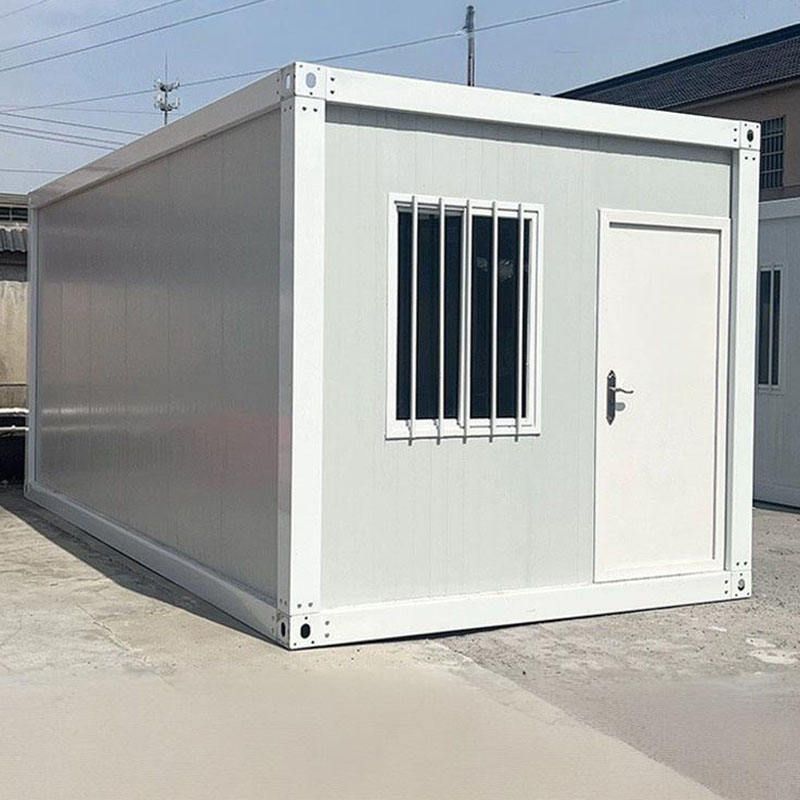
Industry Evolution and Market Size
The global mobile toilet market is expected to expand at a compound annual growth rate (CAGR) of 8.93%, reaching a size of $5.47 billion by 2035. In China, the market size is projected to approach RMB 4.8 billion by 2025, with demand shifting from traditional construction sites to diverse scenarios such as tourist attractions, large-scale events, and municipal emergency reserves. Driven by environmental regulations, eco-friendly products (e.g., microbial degradation and waterless packaging toilets) are replacing traditional direct-discharge or simple packaging toilets.
Technological Innovation Directions
- Water-saving and Zero-emission Technologies: Vacuum negative-pressure flushing technology reduces single-flush water consumption to 0.5-1 liters, achieving a water-saving rate of over 80%. Microbial degradation technology converts feces into organic fertilizer or reclaimed water through fermentation, achieving zero emissions.
- Smart Management (IoT): Sensors monitor toilet occupancy, ammonia concentration, temperature and humidity, and remaining consumables in real-time, synchronizing data to management backends or user mini-programs to optimize cleaning schedules and reduce operational costs.
- New Energy Self-sufficiency: Integrated solar photovoltaic panels and energy storage battery systems supply power for lighting, ventilation, and smart devices, aligning with the green building requirements under the "dual carbon" goals.
Scenario-based Customization Needs
- Construction Sites and Short-term Events: Priority is given to foam-sealing or simple water-flush types due to their simple structure, durability, and rapid deployment capabilities.
- Tourist Attractions and Urban Parks: Emphasis is placed on landscape integration, with exterior designs harmonizing with the surrounding environment and interior configurations matching those of fixed public toilets (e.g., third toilets and baby care rooms), even incorporating cultural elements to become popular photo spots.
- High-altitude and Remote Areas: Anti-low-temperature equipment (e.g., heating systems operating normally at -30°C) is required to ensure usability in extreme environments.
Market Prospects and Policy Drivers
With the升温 (warming up) of the cultural and tourism industry, accelerated urban renewal, and the implementation of large-scale infrastructure projects, mobile toilets have become a critical component of the public service system. Stricter environmental policies and the construction of "zero-waste cities" are driving technological upgrades, with eco-friendly approaches such as microbial degradation and waterless packaging becoming mainstream. Under the influence of prefabricated building concepts, modular, relocatable, and rapidly deliverable mobile toilets are transforming from "temporary substitutes" into long-term spatial solutions, with sustained release of rigid market demand.



