
How About Mobile Toilets
Mobile toilets are portable and flexible sanitation facilities that come in various classification forms based on different needs, and there are also homemade examples for reference.
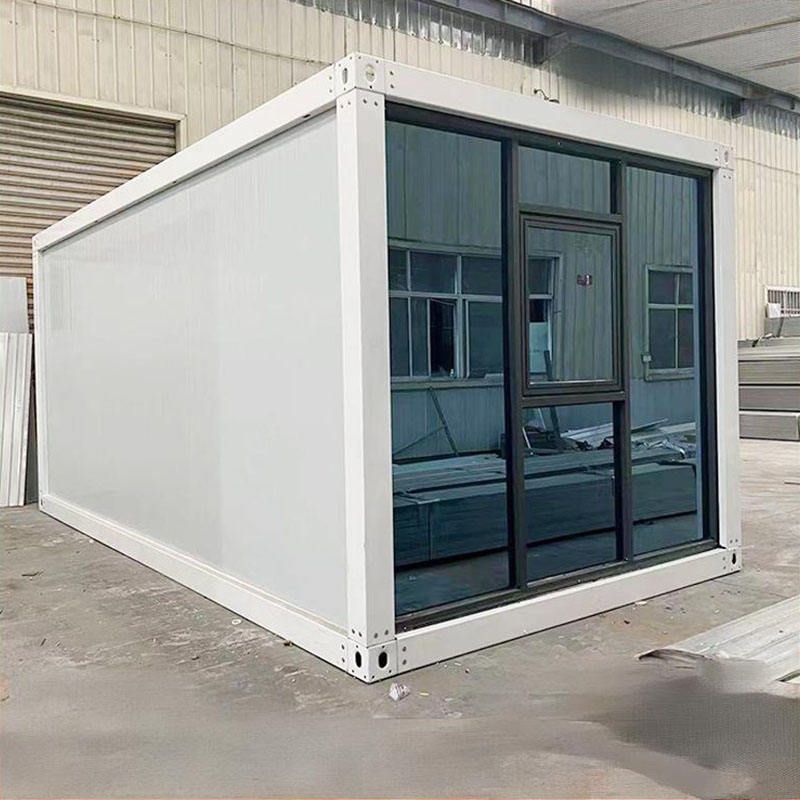
In terms of structural form, mobile toilets can be divided into single-structure mobile toilets and composite-structure mobile toilets. Single-structure mobile toilets are usually relatively simple and highly integrated, generally consisting of a single independent unit. They are suitable for scenarios with relatively small spaces and fewer users, such as some small outdoor event venues. Composite-structure mobile toilets are composed of multiple units, offering richer functions. They can be flexibly arranged according to actual needs, for example, multiple independent toilet units and hand-washing areas can be set up, making them suitable for large-scale events, construction sites, and other places with a large number of people.
Based on the mode of movement, there are lifting and handling-type mobile toilets and powered and towed-type mobile toilets. Lifting and handling-type mobile toilets require the assistance of equipment such as cranes for movement and installation, and are suitable for situations where they need to be relocated as a whole after being used at a fixed location for a period of time. Powered and towed-type mobile toilets have their own power or can be moved by being towed by vehicles, offering higher flexibility. They can quickly respond to usage needs at different locations and are often used in scenarios such as mobile performances and temporary exhibitions.
In terms of sewage treatment methods, mobile toilets are classified into water-flush and waterless suction-type mobile toilets, and recirculating water-flush mobile toilets. Water-flush mobile toilets use water and flushing devices for cleaning, providing a relatively good user experience, but they require connection to a water source and sewage pipes. Waterless suction-type mobile toilets do not require water. They collect excreta through special collection devices and perform regular suction cleaning, making them suitable for water-scarce areas or places with high environmental protection requirements. Recirculating water-flush mobile toilets purify the used water and reuse it for flushing, achieving water resource recycling and being more environmentally friendly and energy-efficient.
In addition, there are examples of homemade mobile toilets. For instance, a young man used a water storage tank to make a portable toilet. Through a series of operations such as splitting the water storage tank, fixing universal wheels, and installing door frames and roofs, he created a relatively well-equipped mobile toilet, including facilities such as a toilet bowl, water tank, hand-washing basin, and bath heater, as well as floor drains and sewage discharge devices, providing creative ideas for the making of mobile toilets.



