
Mobile Toilet Hinge Self-Adhesive
Currently, there is no standardized product or general technical description for 'mobile toilet hinge self-adhesive'. This concept may involve non-standard customization requirements for specific scenarios or information errors. The following analysis is conducted from a conventional perspective:
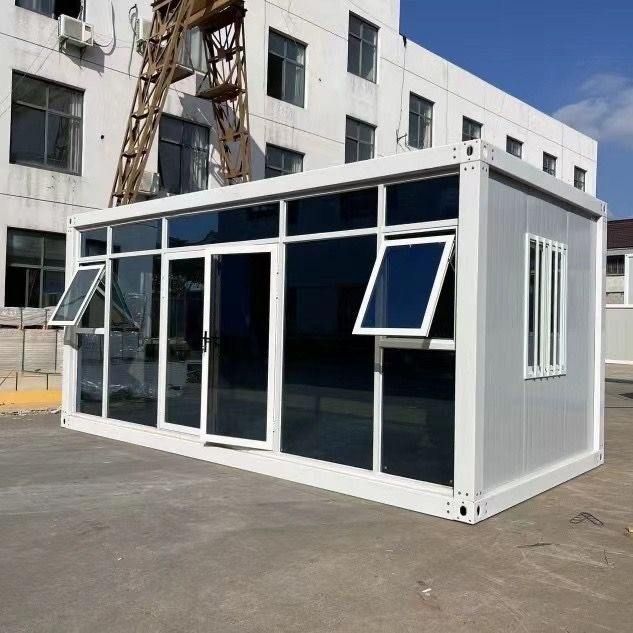
Conventional Application Scenarios of Hinges and Self-Adhesive Technology
Hinges are mechanical devices that connect two solids and allow relative rotation, commonly found in scenarios such as doors, windows, and cabinets. They are typically made of metals (such as stainless steel and copper) or engineering plastics, and are usually installed using screws or welding. Self-adhesive technology, on the other hand, is mostly used for temporary or auxiliary fixation of lightweight materials, such as double-sided tape, Velcro, or some industrial adhesives. Its advantages lie in the fact that no drilling is required and it is easy to operate, but its load-bearing capacity and durability are limited, making it mostly suitable for low-load scenarios such as signs and decorative strips.
Hinge Requirements for Mobile Toilets
Mobile toilets require frequent disassembly, assembly, and transportation, so their hinge designs need to meet requirements such as high strength, corrosion resistance, and easy maintenance. The conventional solution often uses stainless steel hinges fixed with screws to ensure a stable connection between the door and the frame, while also facilitating repair and replacement. If self-adhesive methods are used to fix the hinges, the following problems may arise:
- Insufficient load-bearing capacity: The door of a mobile toilet is relatively heavy, and the adhesive force of self-adhesive materials is difficult to withstand the impact force of opening and closing the door over a long period, which may lead to detachment or deformation.
- Poor weather resistance: Mobile toilets are mostly used outdoors, and self-adhesive materials may fail due to aging caused by temperature differences, humidity, or ultraviolet rays.
- Difficult maintenance: If adhesive residues remain on the surface of the door or frame, cleaning may damage the material and increase maintenance costs.
Possible Alternative Solutions or Improvement Directions
If users hope to simplify the installation process, the following optimizations can be considered:
- Embedded hinges: Reserve installation holes during the production of the door and frame, and fix them quickly with screws to balance strength and convenience.
- Modular design: Design the hinges, door, and frame as an integrated module, and connect them with buckles or pins to reduce on-site installation steps.
- Special adhesives: If adhesive methods are insisted upon, industrial-grade structural adhesives (such as epoxy resin adhesives) should be selected, but construction specifications must be strictly followed, and maintenance space should be reserved.
Suggestion: If you need further information on the selection or installation plan of mobile toilet hinges, please provide specific usage scenarios (such as outdoor/indoor, door weight, usage frequency, etc.) so that standardized products or customized solutions can be recommended accordingly.



