
Hazards of Mobile Toilets
The hazards of mobile toilets are mainly reflected in aspects such as health and hygiene, accidental safety, the facilities themselves, privacy protection, and costs and maintenance.
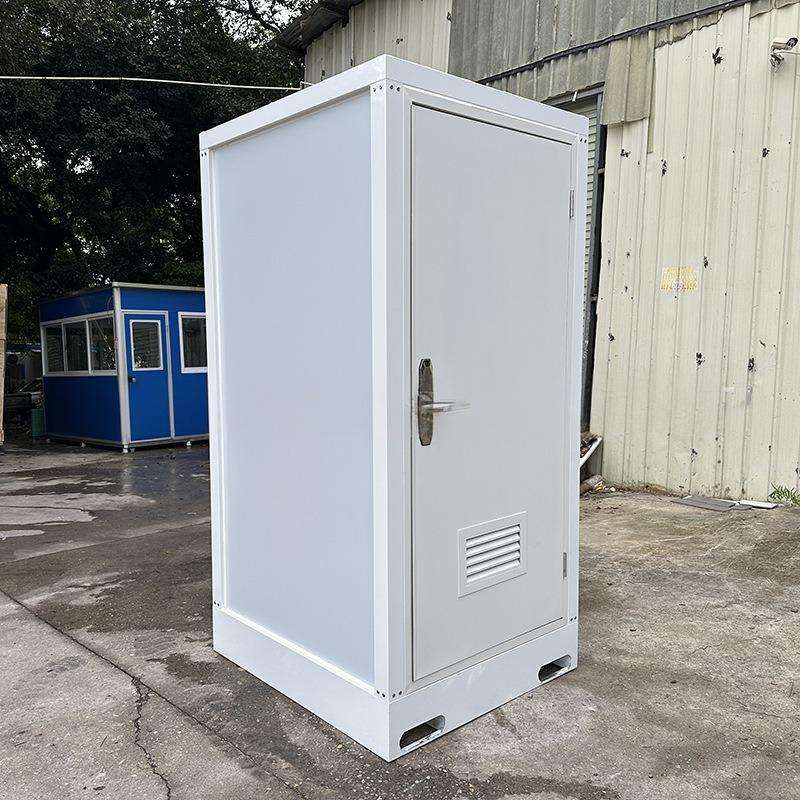
Health and Hygiene Risks: High-frequency contact surfaces in mobile toilets, such as doorknobs and flush buttons, are prone to harboring pathogens like Escherichia coli and norovirus. Failure to wash hands thoroughly may lead to gastrointestinal infections. Residual Staphylococcus aureus and human papillomavirus on the edges of toilet seats can cause urinary tract infections or condyloma acuminatum through skin contact. If disinfection is not carried out properly, the risk of cross-infection with sexually transmitted pathogens such as Treponema pallidum and pubic lice increases significantly. Additionally, limited capacity and delayed cleaning can result in the accumulation of odors and the proliferation of bacteria, polluting the air and becoming a medium for disease transmission.
Accidental Safety Risks: Patients with cardiovascular diseases may experience transient cerebral ischemia, leading to dizziness or falls, if they stand up quickly after squatting in the toilet for an extended period. Hypertensive patients may suffer from cerebral hemorrhage, angina pectoris, or even sudden death due to a sudden rise in blood pressure during morning defecation. Sudden urination after holding it in may induce micturition syncope, while slippery floors, the lack of barrier-free facilities, or poor-quality anti-slip mats further increase the risk of hip fractures in the elderly or falls among individuals with physical disabilities. The volatilization of cleaning agents in confined spaces may trigger asthma, and the absence of emergency call devices will delay the handling of accidents. Moreover, structurally unstable mobile toilets may shake or topple over during use.
Facility-Related Risks: Some mobile toilets still have a pungent odor problem even when equipped with exhaust systems. Long-term exposure may affect respiratory health. Poor-quality products have low durability and are prone to collapse or breakage, while the lack of safety facilities such as handrails and alarm devices reduces the ability of users to cope with emergencies.
Privacy Protection Issues: The narrow space in mobile toilets results in insufficient privacy for users, posing a risk of being spied on. When cleaning work overlaps with usage time, accidental encounters between users and cleaners may cause psychological distress.
Cost and Maintenance Issues: Mobile toilets require significant investment in labor, cleaning, and transportation costs. Moreover, the independently designed sewage discharge, water supply, and power systems result in high maintenance complexity, further driving up maintenance costs.



