
Future Planning Solution for Mobile Toilets
The future planning solution for mobile toilets will focus on technological innovation, intelligent management, material optimization, and the construction of a comprehensive system to adapt to resource constraints and changes in social demand.
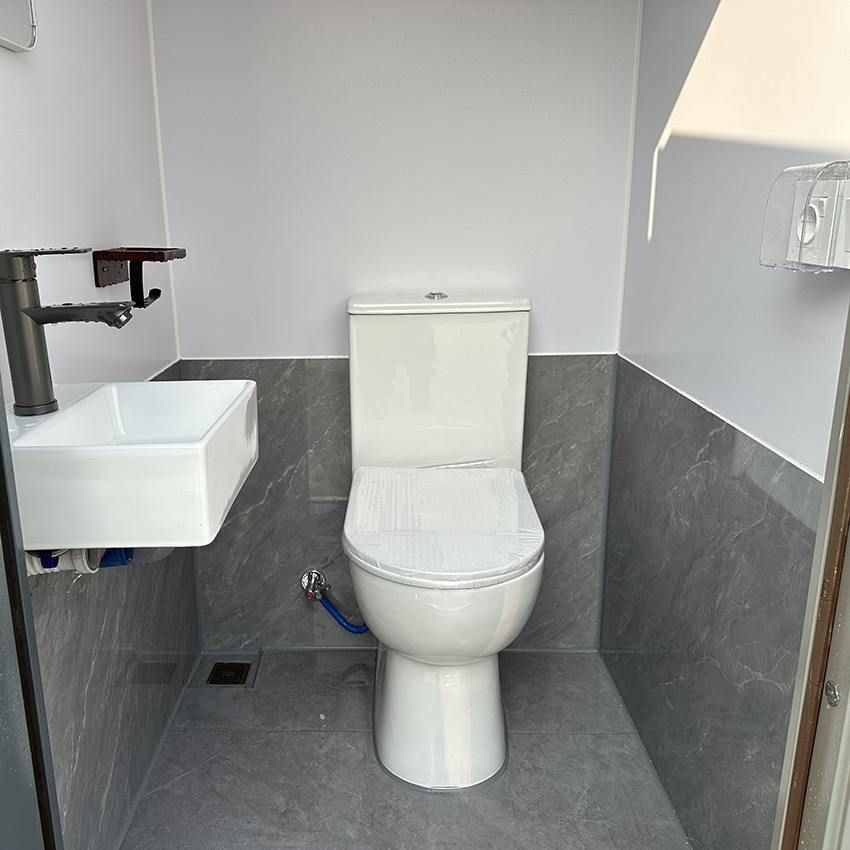
1. Technological Direction: Focusing on Water Conservation and Resource Recycling In areas with water scarcity, waterless or low-water consumption technologies will become the core of research and development. For example, technologies such as vacuum suction and foam sealing will be used to reduce flushing water volume, or dry separation systems will be employed to directly collect waste. New treatment systems will introduce biodegradation technology, utilizing specific microbial communities to accelerate fecal decomposition and shorten treatment cycles; physical separation and dehydration technologies can convert feces into solid matter, facilitating transportation and subsequent treatment. Additionally, resource recovery technologies will gradually move from experimental stages to practical applications, such as extracting nitrogen, phosphorus, and other nutrients from urine for agricultural use, achieving resource utilization of waste.
2. Intelligent Management: IoT Empowering Precise Operation and Maintenance IoT sensors will be widely applied in mobile toilets to monitor real-time data such as toilet stall usage status, waste tank capacity, and air quality. Through data analysis, the system can automatically plan maintenance routes, optimize collection frequencies, and reduce labor costs. For example, when the waste tank is nearly full, sensors will trigger alarms and send information to the management platform to ensure timely cleaning. Meanwhile, the intelligent system can record peak usage times, providing a basis for adjusting facility layouts and improving service efficiency.
3. Materials and Design: Emphasizing Durability and Versatility Advances in material science will drive upgrades in toilet body performance. New composite materials will enhance durability, resisting corrosion and extreme weather conditions; lightweight designs will reduce transportation costs and facilitate rapid deployment. The application of thermal insulation materials will adapt to different climatic conditions and reduce energy consumption. In terms of design, versatility will be key, with features such as barrier-free access, adjustable-height toilets, and voice prompts to meet the needs of children, the elderly, and individuals with disabilities, reflecting humanistic care.
4. Overall Trend: Building Flexible and Adaptable Comprehensive Nodes In the future, mobile toilets will transcend their single function and become comprehensive nodes capable of collecting data, optimizing management, and minimizing environmental impact. Their technological systems will flexibly adjust based on environmental conditions (such as water resources and energy supply), usage intensity (such as tourist flow in scenic areas), and resource availability (such as waste treatment capacity). For example, in remote areas, mobile toilets may integrate solar power generation and rainwater collection systems; in densely populated urban areas, they will focus on efficient treatment and intelligent scheduling. This trend aims to achieve sustainability and adaptability in public health services.



