
Mobile Toilet for Family
A mobile toilet for family use is a fully equipped, plug-and-play sanitation facility suitable for home renovations.
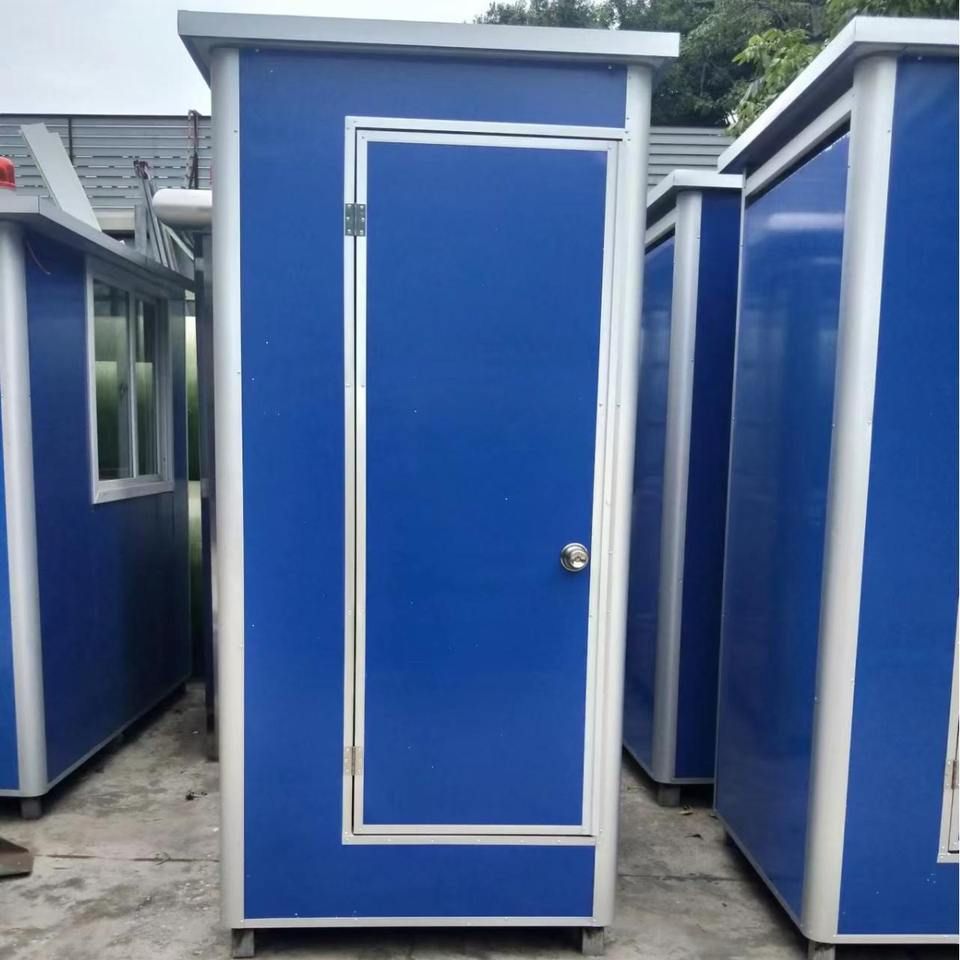
I. Basic Configuration and Dimensions
Family mobile toilets typically feature a modular design, with overall dimensions of approximately 1.3 meters in width and length and 2.35 meters in height, forming an enclosed space through the assembly of metal decorative panels. The interior includes tiled floors, ceramic squat toilets, ceramic sinks, flush tanks, LED ceiling lights, and exhaust fans, creating a complete system for toilet use, handwashing, lighting, and ventilation. Some high-end models are also equipped with water heaters to meet winter usage needs. The design balances practicality and aesthetics, with metal decorative panel exteriors that can complement various home styles.
II. Material Selection and Price Range
Material choice directly impacts cost and durability. Basic models use fiberglass, aluminum-plastic panels, or color-coated steel, priced between 400-1000 yuan, suitable for families with limited budgets. Mid-to-high-end models employ stainless steel, steel structures, or light steel, with prices ranging from 2000-5000 yuan, offering stronger corrosion resistance and structural stability. Luxury models may use galvanized steel or special composite materials, with prices exceeding 5000 yuan, often equipped with additional features like smart flushing and temperature control systems. Price differences stem primarily from material thickness, process complexity, and component quality.
III. Rural Application Scenarios and Policy Support
In rural areas, mobile toilets effectively replace traditional dry latrines, addressing issues like mosquito infestations in summer and cold toilet conditions in winter, significantly improving sanitation and quality of life. Some local governments have incorporated mobile toilet renovations into rural revitalization projects, providing full installation services and even free equipment like water heaters to alleviate farmers' financial burdens. These policies typically prioritize areas with poor sanitation or no centralized sewage systems, advancing the rural toilet revolution.
IV. Usage Advantages and Maintenance Tips
Family mobile toilets require no complex civil engineering work and can be used once water supply and drainage are connected, making them ideal for renovating older homes or temporary housing scenarios. Daily maintenance involves regularly cleaning ceramic fixtures, checking the flush system's seal, and ensuring the exhaust fan operates properly to maintain air circulation. The metal exterior should be repainted with anti-rust coating every 2-3 years to extend its lifespan. In cold northern regions, frost-resistant flush tanks or additional insulation layers should be selected to prevent pipe freezing and cracking.



