
Mobile Toilet for Events
A mobile toilet for events is a facility that can be moved as a whole, providing toilet services for the public and customers, suitable for both fixed and temporary locations.
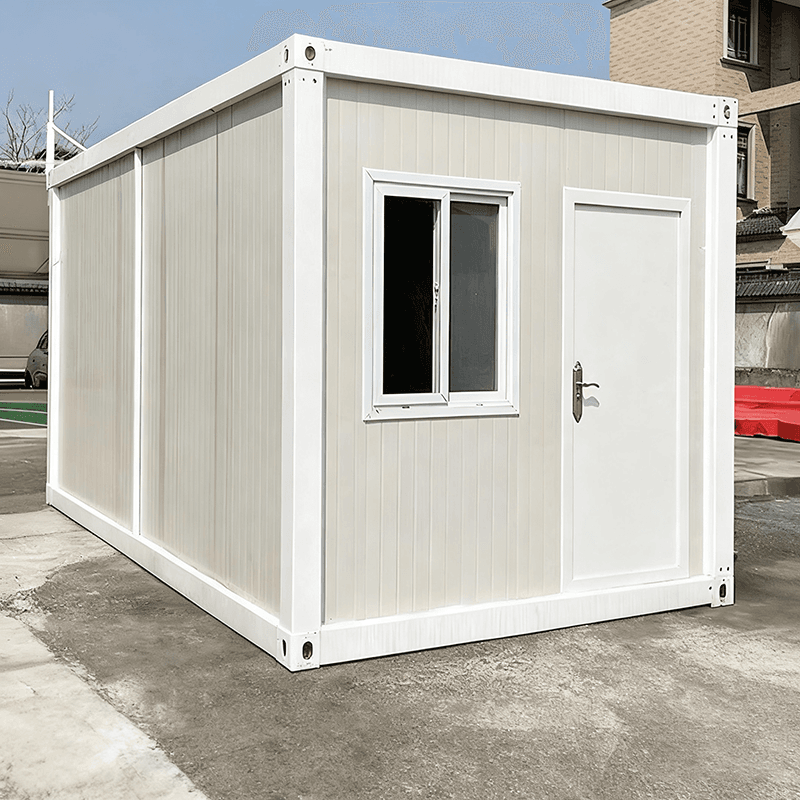
I. Definition and Characteristics
The core feature of a mobile toilet for events is its 'mobility'. It is designed to meet toilet needs in temporary or flexible scenarios. For example, a foldable toilet can be collapsed to a height of just 90 centimeters and transported by pickup trucks or box trucks, making it suitable for rapid deployment at event sites. These toilets are typically composed of modules such as a fecal sewage storage tank (or disposal unit), flooring, sanitary fixtures, walls, washing equipment, water tanks, roofs, and mobile units. Each component can be disassembled or folded for easy transportation and assembly. Their main advantage is high flexibility, allowing modules to be added or removed according to needs (such as increasing water storage capacity or the number of fixtures), and eliminating the need for a fixed foundation, reducing construction costs.
II. Structure and Function
- Fecal Treatment System: There are two types: storage and disposal. The storage type temporarily stores excreta in a sealed tank for regular removal, while the disposal type is equipped with a biochemical treatment unit to decompose organic matter on-site, reducing odors and pollution.
- Mobile Unit: Typically designed with wheels or slides, some models are equipped with hydraulic lifting systems for easy transportation by vehicles or manual movement. The modular design of foldable toilets further enhances transportation efficiency.
- Hygiene and Comfort: Walls and roofs are made of lightweight materials (such as aluminum alloy or composite panels), balancing strength and portability. Internally, they are equipped with standard fixtures (such as toilets or squat pans), sinks, and ventilation systems, with some high-end models offering air conditioning or heating.
III. Application Scenarios
Mobile toilets for events are widely used in temporary events (such as music festivals, sports events, exhibitions) or as supplementary facilities in fixed locations (such as scenic spots and construction sites). Their rapid deployment capability effectively alleviates toilet pressure during peak periods while avoiding the long-term environmental impact of traditional toilet construction. For example, foldable toilets can be unfolded and commissioned within one hour to meet urgent needs.
IV. Environmental Protection and Sustainability
Modern mobile toilets for events emphasize resource recycling. Some models feature water-saving designs (such as vacuum toilets), with a single flush volume only one-fifth that of traditional toilets; fecal disposal units can convert excreta into organic fertilizer, achieving 'zero emissions'. These characteristics make them more advantageous in scenarios with strict environmental requirements.



