
Mobile Toilet for Diaper Changing
There is usually no direct connection between “mobile toilet” and “diaper changing”. The former belongs to the field of pet supplies, while the latter is part of infant care. However, we can provide a popular science explanation of their usage scenarios and operation methods respectively.
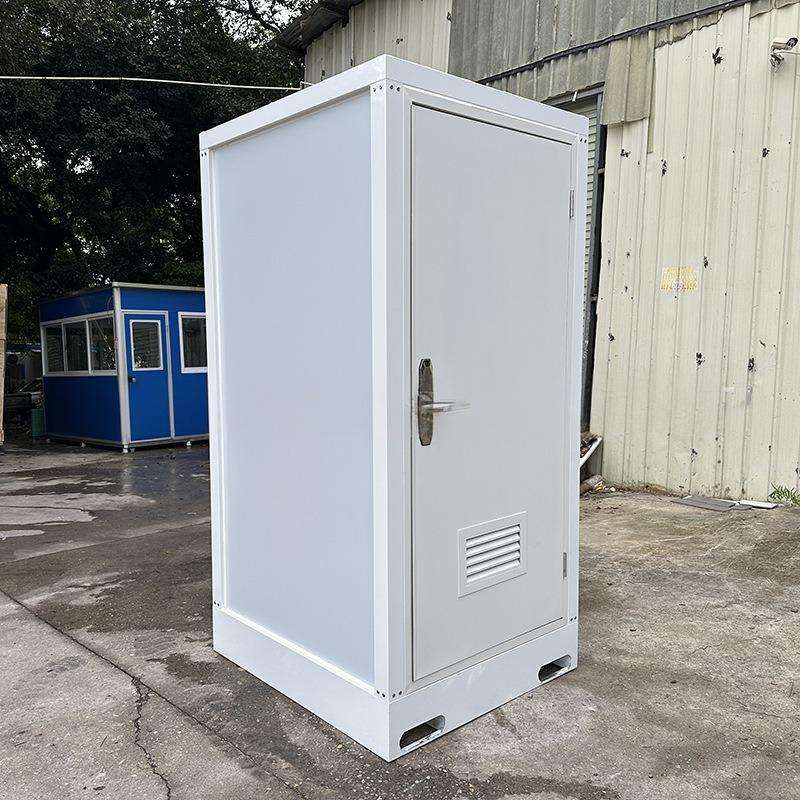
I. Mobile Toilet (Taking a Dog Toilet as an Example)
A mobile toilet generally refers to a designated excretion tool specifically designed for pet dogs. Its core function is to guide the dog to excrete at a fixed position, facilitating easy cleaning and mobility. Typical features include:
- Structural Composition: Usually made of plastic or resin materials, it has a leak-proof tray at the bottom and can be used with pet-specific diapers or absorbent pads. Some high-end models are equipped with detachable fences to prevent the splashing of excreta.
- Usage Scenarios: It is suitable for indoor training of puppies, elderly dogs, or when it is impossible to go outside due to rainy or snowy weather. By fixing the position (such as on the balcony or in the corner of the bathroom) and using odor guidance (such as residual urine or pheromones), it helps the dog form a habit of excreting at a fixed point.
- Cleaning Method: Replace the diaper or absorbent pad daily and regularly clean the tray with a pet-specific disinfectant to prevent the growth of bacteria. If the dog accidentally eats the excreta, check whether it is due to the lingering odor caused by untimely cleaning.
II. Diaper Changing for Infants
Diaper changing is a core part of daily infant care, requiring attention to hygiene and skin protection. The operation steps are as follows:
- Preparation: Prepare clean diapers, warm water, cotton soft towels, diaper rash cream, and a changing pad in advance. Wash your hands before the operation to avoid cross-infection.
- Cleaning Steps: Lay the baby flat on the changing pad, undo the old diaper, and gently wipe the buttocks and genital area with a cotton soft towel soaked in warm water. Pay special attention to cleaning the skin folds (such as the inner thighs and groin) to prevent irritation from residual urine or feces.
- Putting on a New Diaper: Lift the baby's legs and place the back half of the new diaper under the buttocks, with the front part covering the abdomen. Adjust the tightness of the waist tabs (it should be possible to insert 1-2 fingers) to avoid being too tight and affecting breathing or too loose and causing leakage.
- Skin Care: Apply an appropriate amount of diaper rash cream (containing zinc oxide can prevent diaper rash) and observe the skin condition. If red spots, ulcers, or an odor appear, seek medical attention promptly to rule out diaper rash or infection.
III. Explanation of Special Scenarios
At present, no public evidence has been found regarding “pets and infants sharing a mobile toilet” or “changing diapers for pets”. Pet excreta may carry parasites (such as toxoplasma) or bacteria (such as Escherichia coli), and mixing them with infant supplies poses health risks. It is not recommended to share facilities across species. If you need to take care of both pets and infants, it is advisable to manage them in separate areas and increase the frequency of disinfection.



