
How to Remove Feces from Mobile Toilets
There are various methods for removing feces from mobile toilets, including regular suction, chemical treatment, anaerobic digestion, compression and storage, multi-functional sewage outlet cleaning, mechanical treatment, flush and non-flush suction treatment, and centralized treatment.
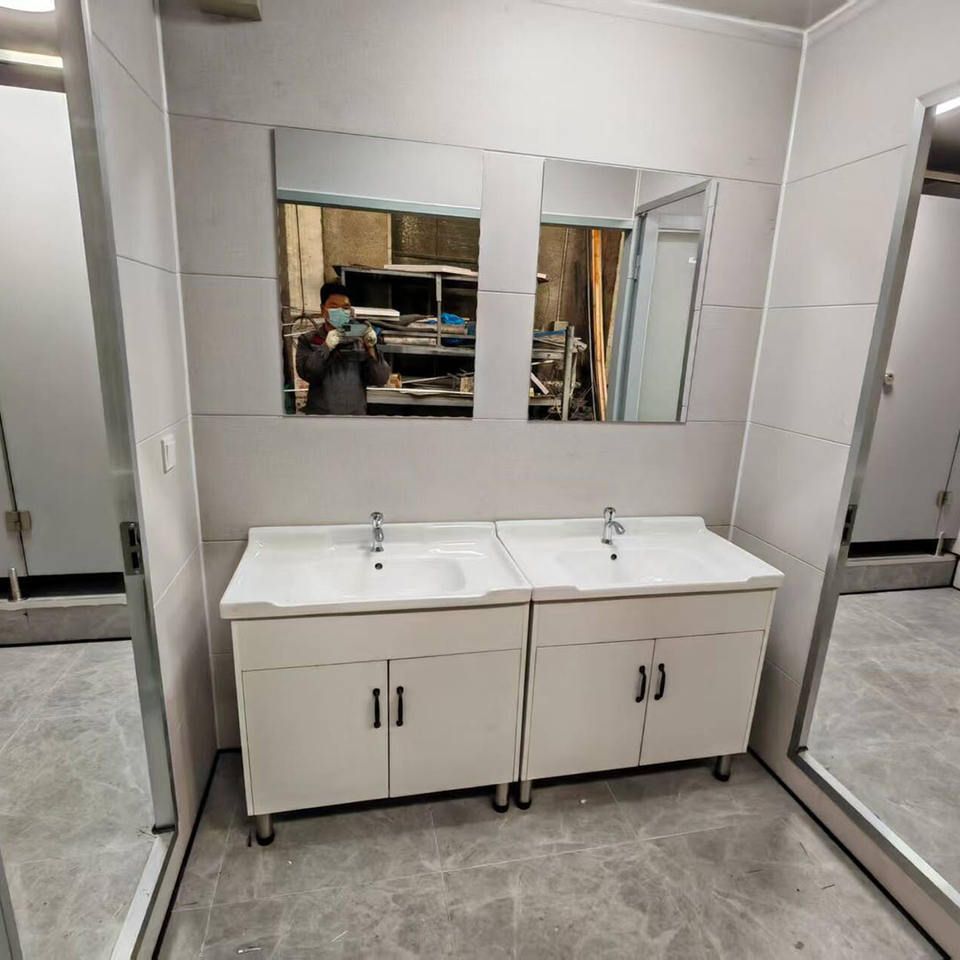
Regular Suction: Mobile toilets typically have a sewage tank at the bottom to collect feces and wastewater. When the number of users reaches a certain level or the sewage tank is nearly full, professional cleaning staff use suction equipment to extract the waste from the tank, preventing overflow and ensuring the toilet remains hygienic and functional.
Chemical Treatment: Chemical agents are added to decompose and eliminate waste while controlling odors and promoting the decomposition process. The treated waste can be further processed using specialized equipment or directly discharged into the sewage system for subsequent treatment.
Anaerobic Digestion: Anaerobic digestion systems utilize microorganisms to break down and digest waste, producing biogas (usable for energy) and fertilizer (usable for agriculture or horticulture). This method reduces waste volume, delays treatment needs, and is particularly suitable for situations where the toilet is away from treatment facilities for extended periods.
Compression and Storage: Compression equipment is used to reduce waste volume, extending storage time and delaying treatment needs. This method is suitable for camping sites or remote construction sites where access to treatment facilities is limited for long periods.
Multi-functional Sewage Outlet: Equipped with manual cleaning functions, such as fecal storage tanks or pre-installed septic tanks. Regular manual cleaning is required to store and then centrally process the waste, maintaining toilet cleanliness and hygiene.
Mechanical Treatment: Specialized equipment is used for solid-liquid separation, decomposition, and disinfection, reducing environmental impact and ensuring hygiene and safety. This method is highly efficient and suitable for mobile toilets used on a large scale.
Flush and Non-flush Suction Treatment: Flush-type mobile toilets may be equipped with flushing devices, while non-flush suction types rely on a sewage tank at the bottom to collect waste. Flush-type toilets may require more frequent suction, whereas circulating flush types use anaerobic treatment devices and biological bacteria to accelerate fermentation and decomposition, reducing suction frequency.
Centralized Treatment: The extracted feces and wastewater are transported to specialized fecal treatment centers for harmless treatment, which may include biological degradation, chemical treatment, or physical treatment methods. The feces are converted into environmentally friendly substances and can be further transformed into organic fertilizers or used for other resource recycling purposes.



