
How Mobile Toilets Dispose of Feces
Mobile toilets have various feces disposal methods, including direct discharge and feces tanks, water-flushing systems, vacuum sewage systems, and more.
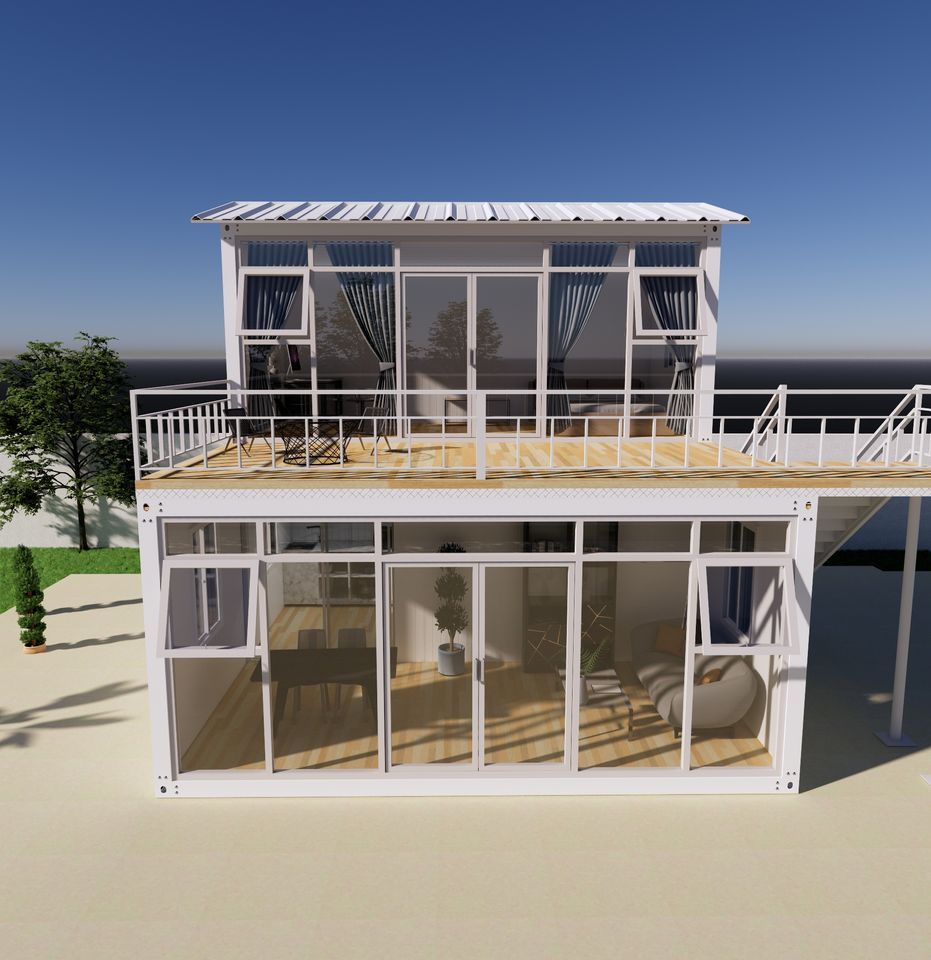
Direct Discharge and Feces Tanks: Some mobile toilets use direct discharge, connecting directly to water supply and sewage pipes for disposal, relying on municipal networks or septic tanks. Another method uses feces tanks to collect waste, which must be pumped out promptly when full to prevent overflow, suitable for temporary or highly mobile settings.
Water-Flushing Systems: These require connections to water supply and sewage pipes, using manual or automatic sensors for disposal. Sewage is directed to septic tanks or municipal networks, suitable for locations with stable water and drainage, such as tourist sites and construction sites. Construction costs are relatively low, but they depend on external water and sewage systems.
Vacuum Sewage Systems: Utilizing negative pressure, vacuum pumps quickly draw sewage and waste into collection containers. When sewage reaches a preset level, the vacuum pump activates automatically, offering high efficiency and low water usage while preventing leaks and odors, ideal for high-hygiene environments.
Water-Storage Sewage Systems: Waste is flushed into a storage tank, with automatic flushing when the tank reaches a preset level. Full tanks require manual cleaning and replacement, suitable for locations with ample water and easy access for maintenance, such as temporary event sites.
Water-Flush and Non-Water-Flush Suction Types: Water-flush types have flushing devices with water tanks on top and sewage tanks at the bottom; non-water-flush types lack flushing devices and rely solely on bottom sewage tanks. Both require timely pumping due to limited tank capacity, suitable for low-frequency use scenarios.
Recirculating Water-Flush Types: Equipped with intermittent aerobic and anaerobic treatment units and biological agents, these systems accelerate waste decomposition through biofilm technology. Treated water can be recycled for toilet flushing, significantly saving water and reducing pumping frequency, suitable for water-scarce regions.
Dry Packing Types: Without water flushing, waste is collected in biodegradable plastic bags beneath the fixtures, automatically replaced after each use. Collected bags are sent to treatment plants, eliminating the need for water flushing and facilitating waste collection, ideal for arid or waterless areas.
Foam Sealing Types: Foam generated from a mixture of foaming agents covers the inside of the toilet bowl, replacing water flushing, eliminating odors, and saving water. The system only requires hand-washing water for foam generation, suitable for locations with high water-saving requirements.
Microbial Types: Waste enters a solid-liquid separation device through an automatically opening toilet bowl. Urine is filtered and treated into reclaimed water for flushing urinals; feces are separated and decomposed into CO₂ and H₂O in a fermentation tank by microbial action, with a degradation rate of ≥99%, achieving harmless treatment.



