
How Much Fecal Matter Can a Mobile Toilet Hold
The fecal storage capacity of mobile toilets varies depending on their type and design specifications, typically ranging from 100 to 1500 liters. The specific capacity needs to be comprehensively evaluated based on the usage scenario and toilet type. Here is a detailed classification description:
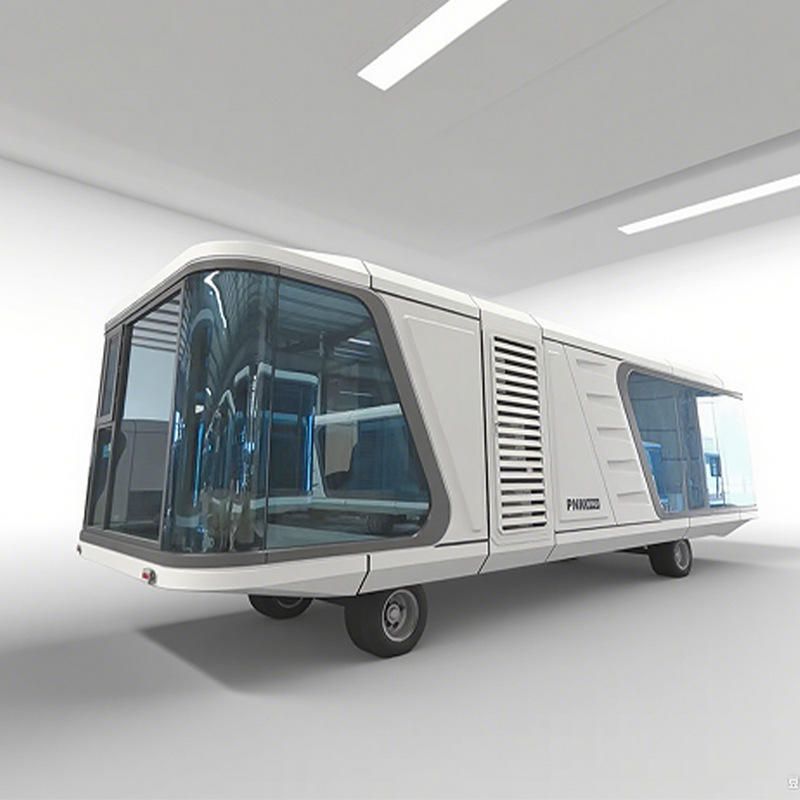
1. Monolithic Air-Water Flush Mobile Toilets
These toilets achieve flushing functionality through air-water mixing technology, and the capacity of the fecal storage tank is directly related to the scale of use.
- Small-scale event or single-user models: The fecal storage tank capacity is mostly 500-800 liters, suitable for temporary, low-traffic scenarios such as small exhibitions or community events.
- Medium-capacity models: The fecal storage tank capacity is 800-1200 liters, meeting the needs of medium-scale events such as campus sports meets or medium-sized commercial activities.
- Large-capacity models: The fecal storage tank capacity can reach 1200-1500 liters, suitable for high-traffic scenarios such as large music festivals or sports events, reducing the frequency of waste removal.
2. Independent Monolithic Restrooms
These toilets are usually of fixed design, with a relatively small fecal storage tank capacity, mostly 100-200 liters. They are suitable for remote areas without sewer systems or temporary construction sites, requiring regular pumping for fecal disposal. Due to the limited capacity, a waste removal plan needs to be formulated based on the frequency of use to avoid overflow.
3. Mobile Toilets Dedicated to Large Outdoor Events
Taking the Xiangyang Music Festival as an example, the fecal storage tank capacity of mobile toilets used in such events is usually designed to be 250-300 liters. This design balances space utilization and waste removal efficiency: an excessively large capacity increases the toilet volume, affecting site layout; an excessively small capacity requires frequent waste removal, increasing operational costs. In actual use, organizers will adjust the number of toilets based on the event duration and expected traffic to ensure sufficient fecal storage capacity.
Summary: The fecal storage capacity of mobile toilets needs to be selected based on the specific type and usage scenario. Air-water flush toilets have a wide capacity range and can adapt to events of different scales; independent restrooms have a smaller capacity and are suitable for low-frequency usage scenarios; toilets dedicated to large events achieve a balance between capacity and efficiency through optimized design. When purchasing or renting, it is recommended to comprehensively evaluate based on the event scale, usage duration, and waste removal conditions to ensure the normal operation of sanitation facilities.



