
Mobile Toilet for Farms
Mobile toilets offer significant advantages in farm settings, including flexible adaptability, efficient construction, low-carbon environmental protection, and customized design, making them an important facility for enhancing service quality and operational efficiency on farms.
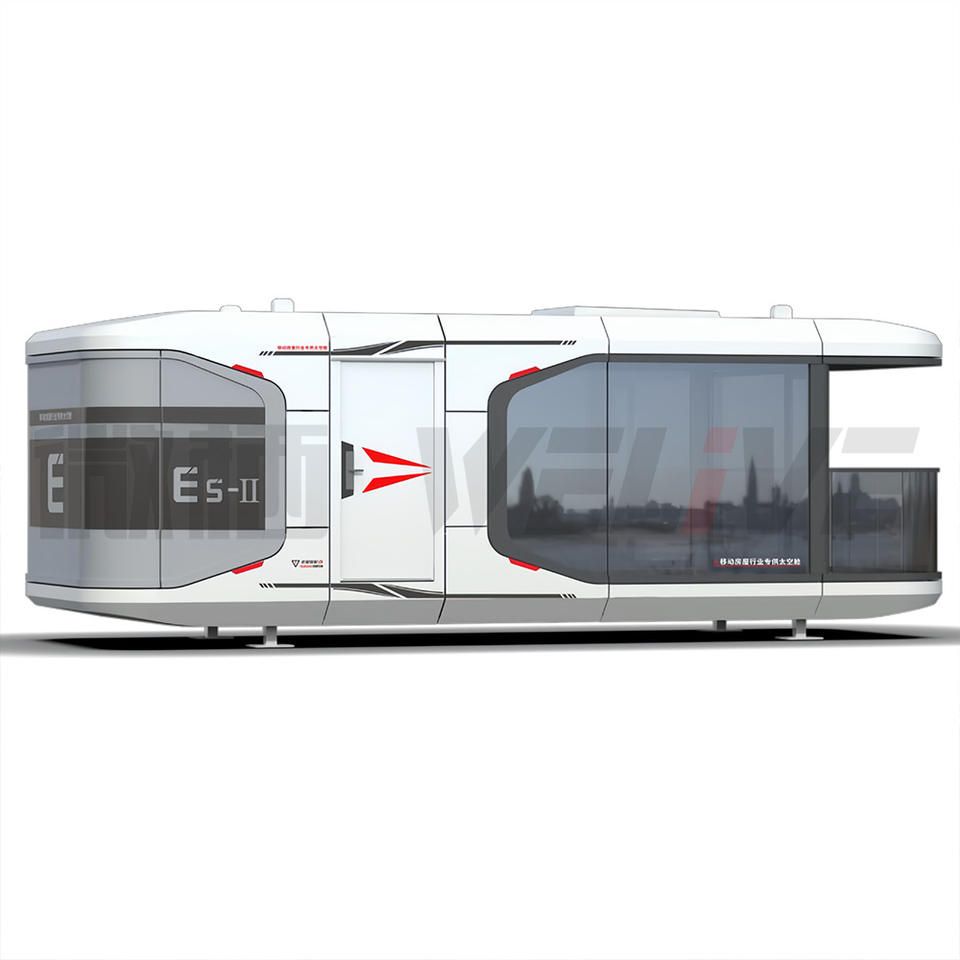
1. Flexible Adaptation to Visitor Traffic, Optimizing Guest Experience
The modular design of mobile toilets makes them an “elastic solution” for farms dealing with fluctuating visitor numbers. Farms can dynamically adjust the number of toilet units based on peak and off-peak seasons. For example, one farm reduced visitor waiting times from 15 minutes to 3 minutes during peak season by adding or removing units, significantly improving service efficiency. This flexibility is particularly suitable for rural cultural tourism projects, avoiding resource shortages during busy periods and reducing waste from idle facilities during slow periods.
2. Efficient Construction and Rapid Deployment, Shortening Operational Cycles
Mobile toilets adopt a “prefabricated, integrated lifting, and immediate operation” model, greatly shortening construction periods. For instance, in a seaside homestay project, the installation of 22 38-square-meter space capsule toilets took only 18 days from production to setup, saving 80% of the time compared to traditional construction. For farms, this efficiency advantage allows for quick responses to sudden demands (such as temporary capacity increases for events) or reduces downtime during renovation projects, minimizing the impact on operations.
3. Low-Carbon Environmental Technologies, Reducing Operational Costs
Mobile toilets achieve green operations through material innovation and technological integration:
- Environmentally Friendly Materials: The use of eco-friendly polymer composite materials instead of concrete reduces construction waste and carbon emissions.
- Wastewater Resource Recovery: Equipped with microbial degradation technology, wastewater is converted into harmless fertilizer, suitable for organic farming applications on farms.
- Energy Self-Sufficiency: Combining solar panels with energy storage systems, a single toilet can reduce annual carbon emissions by 1.2 tons. Data from a mountain resort project shows that mobile toilets reduce energy costs by 55% and maintenance costs by 70% compared to traditional toilets, demonstrating significant long-term operational economy.
4. Customized Design, Integrating with Farm Settings
Several companies offer customized services tailored to farms:
- Functional Customization: Henan Qingzhigu Environmental Protection Technology Co., Ltd. provides various flushing methods, including water-flush smart sensors, waterless packing, and microbial degradation, to suit different environmental needs.
- Style Customization: Dezhou Hongtu Metal Products Co., Ltd. offers rustic-style mobile toilets with appearances that harmonize with the natural landscape of farms, enhancing the scene’s atmosphere.
- Regional Adaptation: Sichuan Chengdu booth manufacturers can design facilities that align with local climate and cultural characteristics, meeting the farm’s positioning requirements.
In conclusion, through technological integration and innovative models, mobile toilets provide farms with solutions that balance efficiency, cost, and environmental protection, making them an important choice for upgrading infrastructure in rural cultural tourism projects.



