
Mobile Toilet Facilities
Mobile toilets are facilities that can be moved as a whole and provide toilet services to the public. They are suitable for a variety of locations and come in multiple types with eco-friendly features.
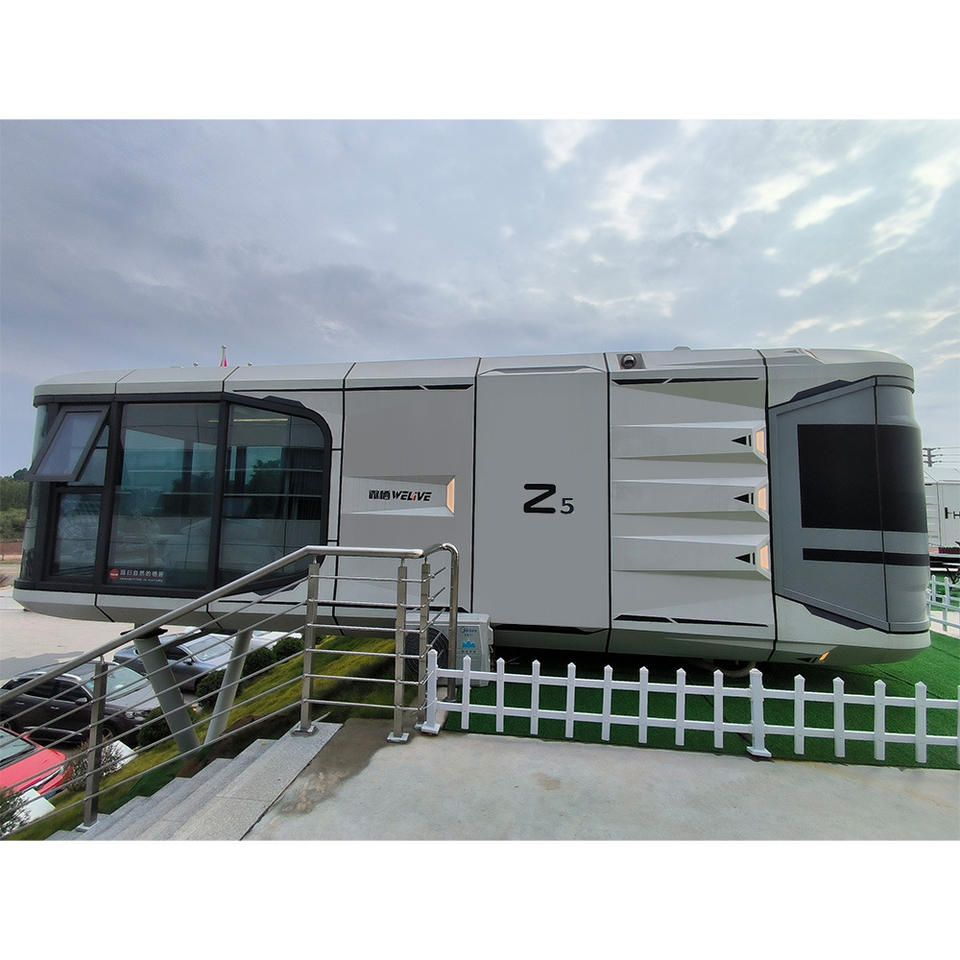
Suitable Locations: Mobile toilets are suitable for stations, docks, tourist attractions, villa areas, newly built residential communities, large construction sites, squares, densely populated public places, and bustling commercial streets. They are also widely used in temporary venues such as entertainment performances, sports events, opening ceremonies, conferences, exhibitions, and mass gatherings, as well as outdoor locations like gardens, tourist attractions, parks, campsites, construction and decoration sites, and temporary factories.
Composition and Structure: They generally consist of fecal sewage storage tanks (or fecal sewage treatment devices), floor slabs, sanitary ware, walls, washing facilities, water tanks, roofs, and mobile devices.
Material and Structural Development: Initially made of wood with simple construction and functions, and prone to absorbing odors, they have evolved to use materials such as fiberglass-reinforced plastic and polyethylene. Based on structural form, they can be divided into single and composite structures; based on mobility, they can be classified as lifting and handling types, powered and towed types; and based on sewage treatment methods, they can be categorized as water-flush and waterless-flush suction types, circulating water-flush types, and dry-packing types. Eco-friendly mobile toilets are composed of a steel frame structure, with channel steel or I-beams welded at the bottom, square steel for columns, and wall materials including color-coated steel plates and metal carved panels.
Eco-Friendly Features and Applications: They employ eco-friendly technologies to achieve water conservation and resource recycling, such as waterless-flush, foam-sealing, and water-flush solutions. Some products are equipped with smart systems that support remote control via mobile apps. In tourist settings, they can balance the needs of facility construction and environmental protection in scenic areas.
Design Principles and Size Specifications: Design should adhere to principles of mobility, cost-effectiveness, durability, eco-friendliness, environmental benefit, efficiency enhancement, and humanitarian promotion. The recommended ratio of male to female squat (or seat) positions is 1:1 or 3:2. Each squat position for defecation and standing position for urination has corresponding size specifications, as does the width of aisles inside the toilet. Public toilets should have at least one sink each for men and women.



