
Volver al blog
Artículo
Mobile Toilet Explanation Diagram
Admin 09 de octubre de 2026
The explanation diagram of mobile toilets requires a systematic overview that combines their core structures, types, technical parameters, and suitable scenarios. Below is a structured explanation:
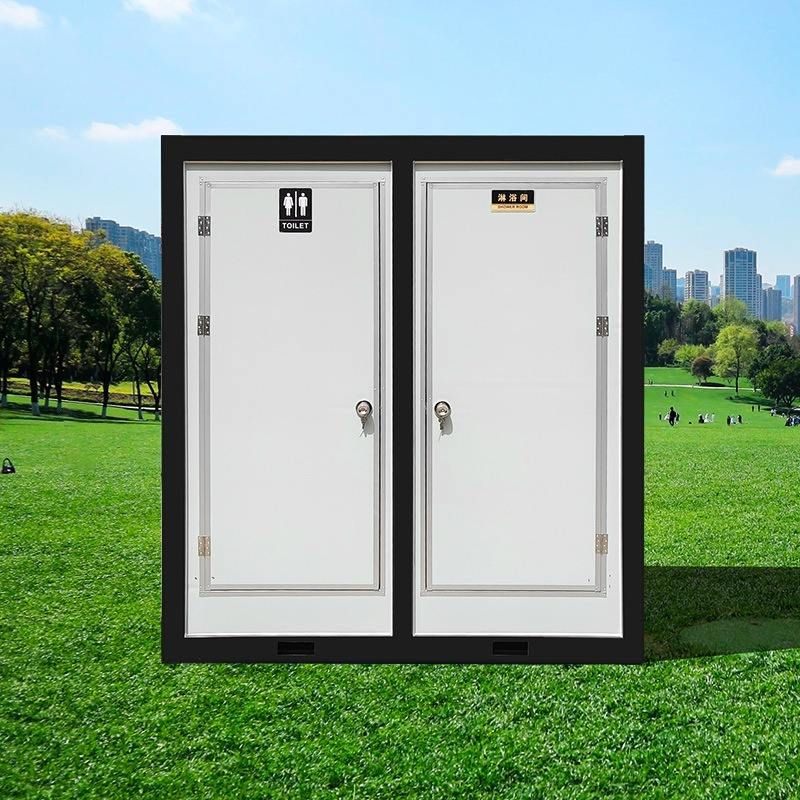
I. Core Structure and Functional Modules Mobile toilets are supported by a steel frame structure and are mainly divided into three parts:
- Floor System: Made of non-slip aluminum plates or tiles, ensuring safety during use and facilitating easy cleaning and maintenance.
- Wall Design: Supports customization of colors and shapes. High-end interior and exterior decoration can enhance the visual experience. For example, scenic spots often use wood-grain or themed finishes to blend in with the environment.
- Sewage Disposal System: Offers three technical solutions:
- Water-flush Type: Relies on a 220V voltage-driven pump and requires a septic tank or municipal sewage network, suitable for areas with complete municipal infrastructure.
- Packing Type: Seals feces in biodegradable plastic bags, which are replaced periodically, suitable for temporary events or high-traffic scenarios.
- Microbial Degradation Type: Uses special bacteria to decompose waste, achieving waterless treatment and reducing annual water consumption by 80%, suitable for water-scarce or ecologically sensitive areas (such as nature reserves).
II. Types and Working Principles
- Traditional Sewage Storage Type: Features a removable sewage storage tank inside. Waste is collected and requires manual cleaning, with a simple structure but high maintenance frequency.
- Water-saving/Waterless Type: Treats waste through chemical agents or biological decomposition techniques. For example, microbial degradation technology can reduce waste treatment costs by 60% while minimizing odors and germ transmission.
- Solar-powered Type: Equipped with solar panels on the top to power ventilation or lighting systems, suitable for long-term outdoor installations (such as highway service areas).
- Multi-functional Type: Integrates sinks and barrier-free facilities (such as handrails and low-position toilets) to meet the needs of special populations in hospitals and schools.
III. Technical Parameters and Scenario Adaptation
- Environmental Adaptability: Operates within a temperature range of -10℃ to 60℃. In northern regions, it is recommended to install an insulation layer of over 1000mm to cope with extreme weather.
- Safety Standards: The inlet size is uniformly 4mm to prevent foreign objects from entering and causing equipment failure.
- Scenario Selection:
- High-end Venues (such as five-star hotels): Choose high-end interior and exterior decoration versions to match the architectural style.
- Scenic Spots/Amusement Parks: Customize themed shapes (such as cartoon characters or natural elements) to enhance the visitor experience.
- Hospitals/Schools: Prioritize microbial degradation or water-flush types to reduce the risk of germ transmission.
IV. Advantages and Cases
- Flexibility: The steel frame structure supports quick assembly and disassembly, adapting to narrow spaces or irregular terrains (such as mountain trails).
- Environmental Protection: Microbial degradation technology achieves zero sewage discharge. After application in a scenic spot, annual water consumption was reduced by 80%, and waste treatment costs were reduced by 60%.
V. Purchase Recommendations
- Sewage Disposal Method: Prioritize microbial degradation types for water-scarce or ecologically protected areas; choose water-flush types for areas with complete municipal infrastructure; and opt for packing types for temporary events.
- Material Selection: Steel frame structures are wind and earthquake-resistant, suitable for outdoor environments; the inlet size must comply with safety standards.
- Insulation Requirements: In northern regions, it is recommended to choose an insulation layer with a thickness of over 1000mm to ensure normal operation in winter.
Relacionados



