
Mobile Toilet Establishment
The establishment of mobile toilets requires comprehensive consideration of multiple factors, including installation convenience, material and structural design, functional modules, technological iteration, and operational models.
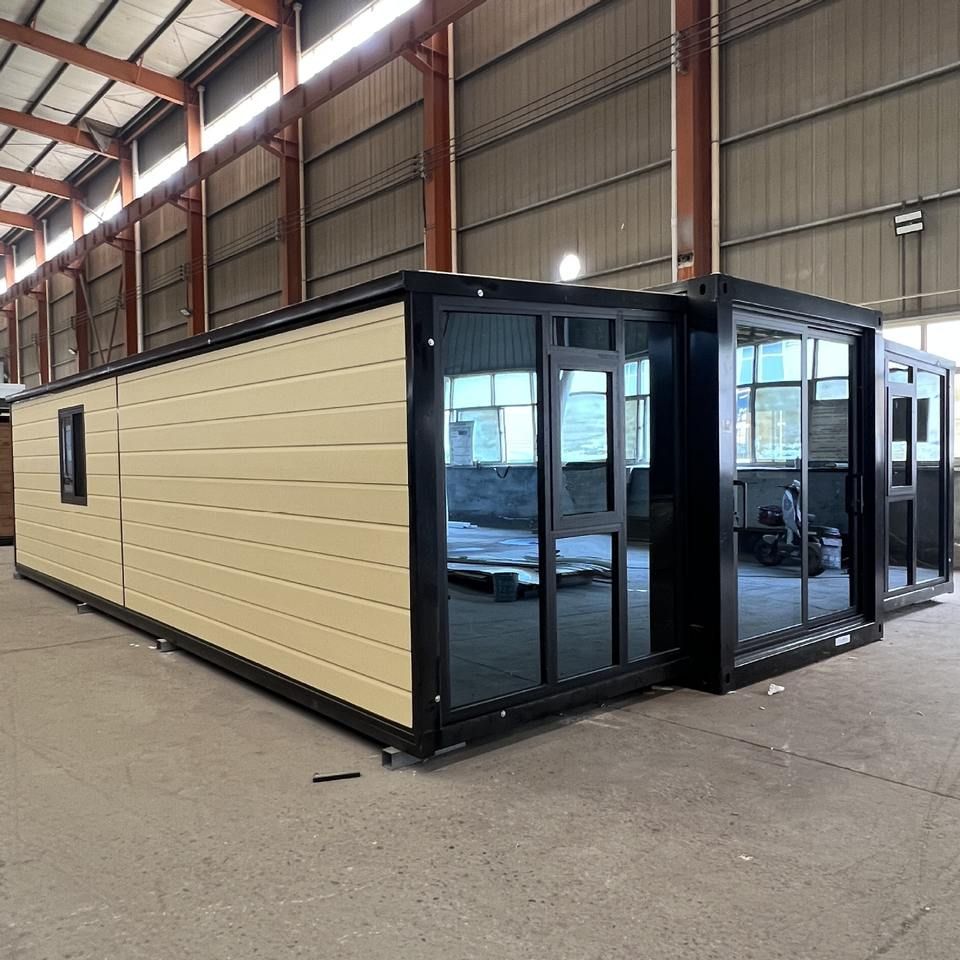
Installation convenience is one of the core advantages of mobile toilets. They adopt an overall finished product installation mode, eliminating the need for civil engineering. The installation process is similar to assembling building blocks, with columns spliced and fixed to complete the structure, and snap-fit designs ensuring a tight fit. For example, the installation of mobile toilets in Handan City, Hebei Province, takes only 30 days and can be carried out year-round, significantly shortening the construction period.
Material and structural design must balance lightweight properties with durability. Mobile toilets typically consist of modules such as fecal sewage storage tanks, floor slabs, sanitary ware, walls, washing equipment, water tanks, roofs, and mobile devices. Materials have gradually upgraded from early wood to lightweight, high-strength materials like fiberglass-reinforced plastic and polyethylene. Structural forms include single and composite structures, with mobile methods covering lifting and powered towing. Sewage treatment methods include water flushing, waterless flushing suction, circulating water flushing, and dry packing. During design, height and width must be controlled to ensure the mobile device is complete and reasonable. For instance, the mobile toilets in Handan City use multi-layer panels filled with insulation materials, improving thermal insulation performance by 65% while also providing earthquake resistance.
Functional modules achieve lightweight integration through standardized modifications. Structural bodies often use high-density polyethylene or fiberglass-reinforced plastic, reducing self-weight while ensuring strength. The water supply and drainage system is divided into 'self-circulating' and 'direct-discharge' types. The former operates without external pipe networks through microbial degradation or vacuum suction technology, suitable for parks, temporary construction sites, and other scenarios. The sewage treatment system, ventilation system, and power system have all been optimized to ensure functional integrity and operational stability.
Technological iteration focuses on hygiene maintenance and odor control. New mobile toilets introduce foam sealing technology, generating a dense foam layer through a foaming device to cover the toilet surface, blocking visual contact and inhibiting ammonia volatilization, achieving a water-saving rate of 90%. Some devices integrate negative pressure exhaust systems with activated carbon filtration units, creating directional airflow to direct odors into the filtration unit and prevent external diffusion.
Operational models are transitioning to digital management. Sensors are installed inside mobile toilet units to monitor tank liquid levels, power levels, and temperature and humidity in real-time. When the liquid level reaches a threshold, it automatically triggers a clearance instruction, planning the optimal route for suction vehicles. During large-scale events, management can dynamically adjust deployment density based on pedestrian flow data, improving resource utilization efficiency.



