
Mobile Toilet Engineering Support
Mobile toilet engineering support requires comprehensive planning in terms of infrastructure, water and electricity configuration, humanized design, sanitation maintenance, safety compliance, material structure, custom processing, and project duration and transportation.
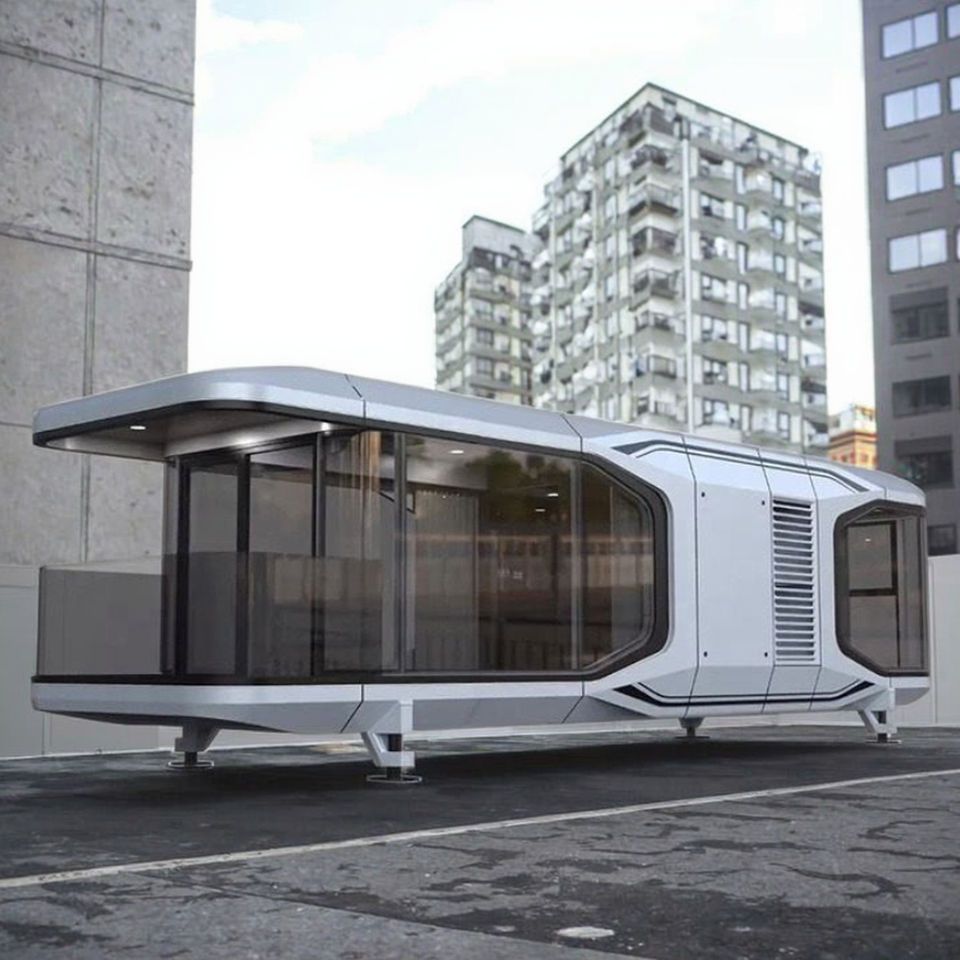
1. Infrastructure Configuration Sanitary fixtures should be odor-proof and water-saving squat toilets or sit toilets, equipped with manual or automatic induction flushing systems. Washbasins should be equipped with hot and cold water taps, soap dispensers, and hooks. Lighting should use energy-saving LED lights, and ventilation should be installed with exhaust fans to ensure the room is bright and well-ventilated. The floor should be paved with anti-slip tiles or mats to reduce the risk of slipping. The drainage system should have independent pipes to prevent water accumulation, and anti-freezing devices should be installed in low-temperature areas in winter.
2. Water and Electricity Configuration Plan Power supply can be connected to the 220V mains or use a solar power system (suitable for remote construction sites). For drainage, it is recommended to use a clog-resistant biodegradable system to reduce the frequency of pipe cleaning. Projects with conditions can be equipped with water storage tanks to cope with temporary water outages.
3. Humanized Design Details Hooks (for hanging safety helmets), phone holders, and handrails (for the elderly or those with mobility issues) should be provided. Female-specific stalls are recommended to include sanitary napkin storage boxes and additional hooks. If serving special groups, accessible restrooms with handrails can be provided, and wheelchair access should be reserved.
4. Sanitation Maintenance Support When renting, it should be confirmed whether daily cleaning services are included, such as daily garbage removal, disinfectant supply, and toilet paper replenishment. It is recommended to additionally equip handheld sprayers (for cleaning) and deodorizing air fresheners to keep the restroom air fresh.
5. Safety and Compliance Fire extinguishers and smoke alarms should be equipped to meet public place fire safety standards. The sewage system should comply with regulations to avoid environmental pollution.
6. Material and Structure The main material can be galvanized pipes or steel structures to ensure durability. A lightweight steel structure frame is used, with a relatively light total weight for easy movement and installation.
7. Customization and Processing Support adjustments to interior wall styles, usage scopes, etc., according to specific needs to meet personalized requirements.
8. Project Duration and Transportation The standard project duration is usually 7 working days, and the transportation method needs to be negotiated with the seller.



