
How to Design a Doorless Mobile Toilet
When a mobile toilet lacks a door, solutions can include using curtains for separation, installing partitions for blocking, fitting sliding or wall-mounted doors, or adopting built-in sliding door designs.
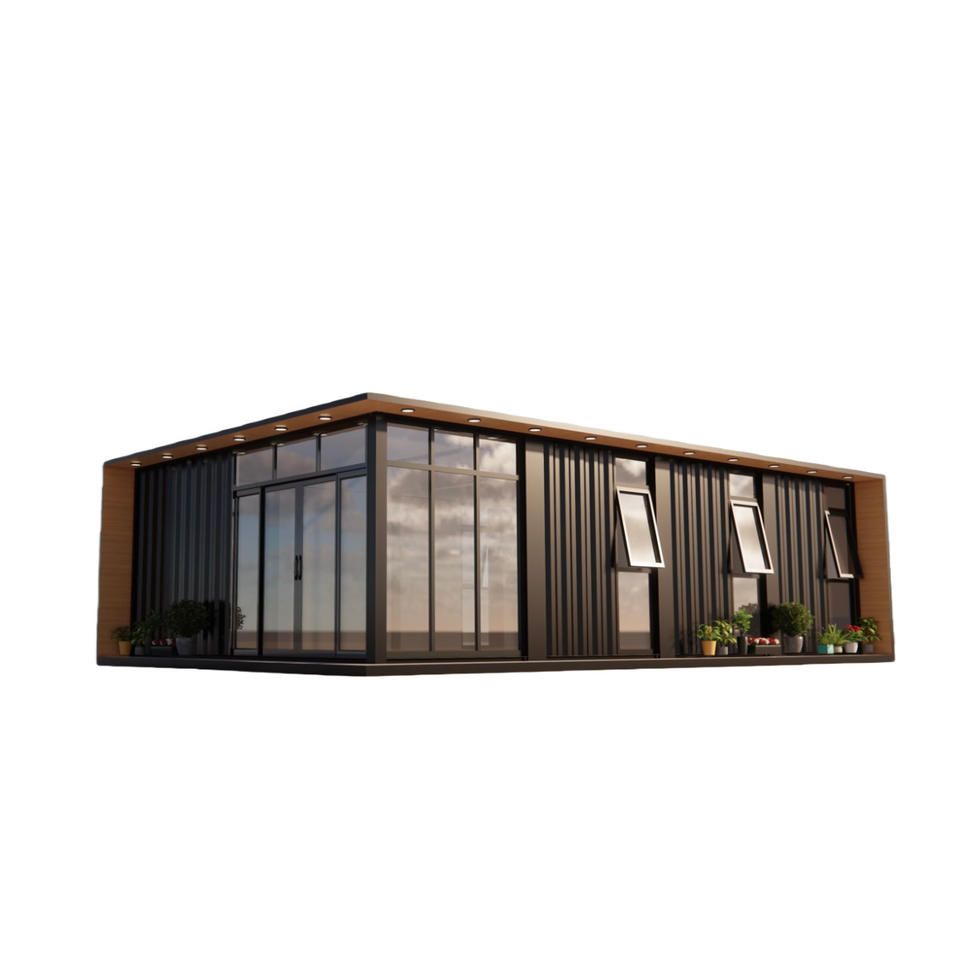
Using Curtains for Separation: Selecting appropriate curtains is a simple and practical method. Waterproof curtains such as shower curtains or transparent curtains are good choices, and their sizes should match the entrance of the mobile toilet. Waterproof curtains can effectively prevent water splashing, provide some privacy protection, and also enhance the space's aesthetics, making the mobile toilet less monotonous. For example, choosing a shower curtain with cartoon patterns can add a lively atmosphere to the mobile toilet.
Installing Partitions for Blocking: Setting up partitions at the entrance is also an effective design approach. Partitions can be made from materials such as screens, wooden boards, or gypsum boards, and can be decorated appropriately. Given the humid environment of mobile toilets, the partition materials need to be waterproof and moisture-resistant to ensure their durability. For instance, using waterproof-treated wooden boards for partitions is both aesthetically pleasing and practical.
Fitting Sliding or Wall-Mounted Doors: If the mobile toilet has limited space, sliding doors are a suitable choice. Sliding doors are usually lightweight and convenient, and do not occupy much space when opened, avoiding the尴尬 (awkward) situation of not being able to open them fully. If there is sufficient space, wall-mounted doors with attractive designs can be considered. Wall-mounted doors can effectively isolate the inside and outside of the toilet, providing users with a relatively independent space.
Adopting Built-In Sliding Door Design: Create two false walls using gypsum boards and light steel frames to sandwich the door. This design does not take up space and maintains maximum opening width. Built-in sliding doors do not require door frames, giving the space a more integrated and minimalist appearance. However, this method requires consideration of track hygiene. It is recommended to use overhead tracks for easy cleaning, and to include access panels for track maintenance. Additionally, load-bearing walls cannot be directly modified in this way; instead, cabinets can be added near the door to reserve space for the sliding door.



