
Mobile Toilet Design Drawing
There is no direct design drawing for mobile toilets, but their design features can be understood through their common components and practical cases.
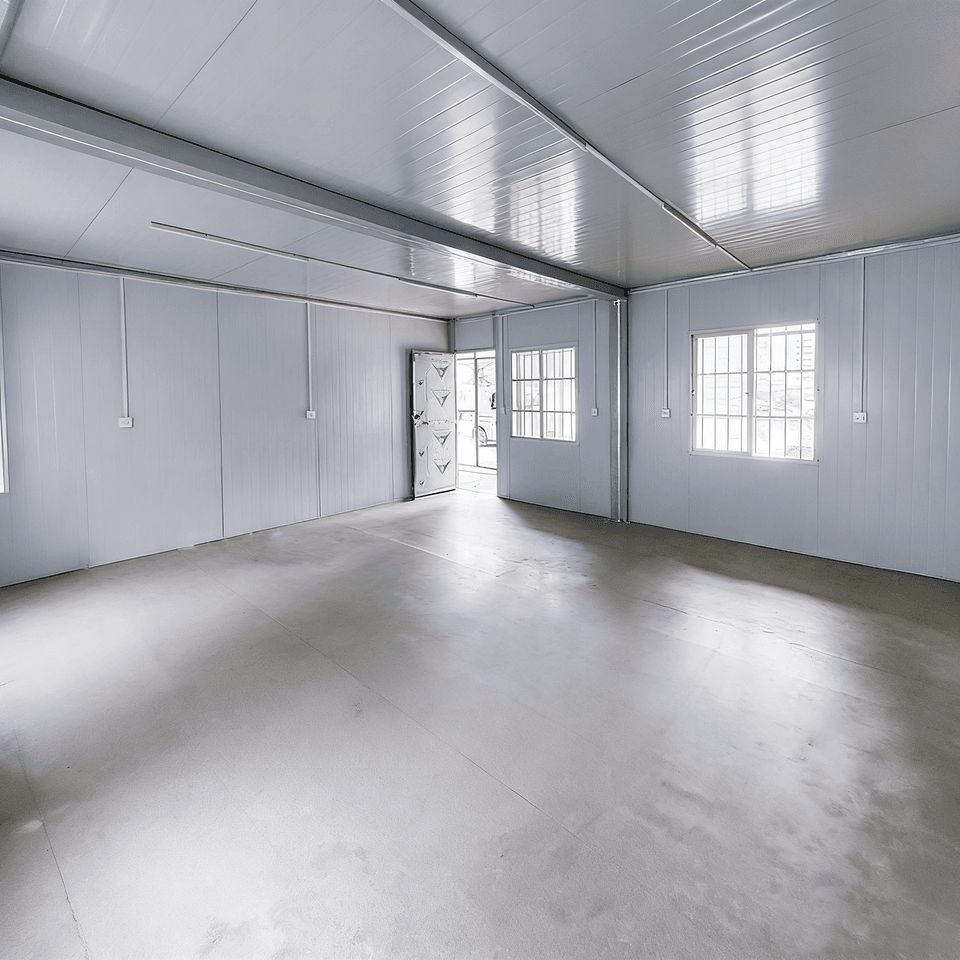
Mobile toilets are generally composed of several key parts. Fecal wastewater storage tank (or fecal wastewater treatment device): This is one of the core components of a mobile toilet, used to collect and store fecal wastewater. Some also have treatment functions, enabling preliminary treatment of the wastewater to reduce odors and pollution. Flooring: Provides a stable standing and moving surface for users. It usually needs to be slip-resistant and easy to clean to ensure safety and hygiene during use. Sanitary fixtures: Including toilets or squat pans, etc., these are key facilities for meeting excretion needs. Their design and materials should comply with hygiene standards for easy use and cleaning. Walls: Serve to divide spaces and protect privacy. The materials are diverse, and different materials with varying strengths and thermal insulation properties can be selected according to needs. Washing facilities: Such as washbasins, etc., facilitate users in cleaning their hands and maintaining personal hygiene. Water tank: Used to store clean water, providing a water source for sanitary fixtures and washing facilities. Roof: Shields against wind, rain, and sunlight, protecting the internal facilities of the toilet. At the same time, drainage and ventilation issues need to be considered. Mobile devices: Such as wheels, etc., enable the toilet to be easily moved and arranged to adapt to different usage scenarios.
There is a case where a young man used a water storage tank to make a mobile toilet. The production process included basic structural construction, such as using an angle grinder to split the water storage tank in half, and fixing universal wheels at the four corners of a wooden board for easy movement. For indoor device installation, wooden strips were fixed on the upper side of the tank to increase height, an opening was made on the side of the water storage tank, sponge strips were installed to form a door frame, plastic soft boards were embedded to create raised walls, and the upper half of the water storage tank was placed to form a roof. There is also a case of a simple and stylish mobile public toilet with a beige exterior wall and an orange curtain wall, and 3 male and female toilet stalls each inside. Its design focuses on aesthetic appearance and reasonable utilization of internal space.



