
Volver al blog
Artículo
Mobile Toilet Design
Admin 21 de septiembre de 2026
Mobile toilet design can be carried out around design elements, application scenarios, and material types, combining functionality and visual effects for creation.
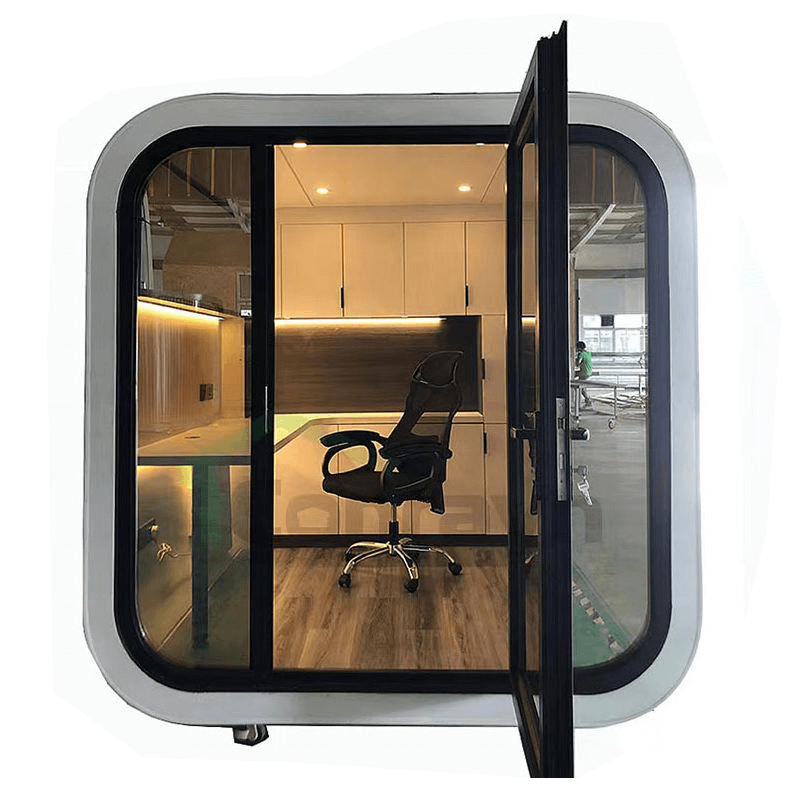
I. Selection of Design Elements
The design of mobile toilets needs to balance practicality and aesthetics, and can start from the following elements:
- Type and Structure: Choose the type based on the usage scenario, such as outdoor mobile toilets (suitable for outdoor activities), portable mobile toilets (lightweight and easy to carry), trailer-mounted mobile toilets (highly mobile), or temporary public toilets (dedicated to short-term large-scale events). Structurally, they can be designed as single rooms, multi-compartment partitions, or modular combinations to meet different pedestrian flow needs.
- Materials and Colors: The materials should reflect durability, such as wood (natural style), metal frame + plastic panels (lightweight and waterproof), or fiberglass (corrosion-resistant). In terms of colors, high-saturation colors like blue, yellow, green, and orange can enhance visibility, especially in outdoor environments where bright colors can quickly attract users' attention; for indoor scenarios like shopping malls, neutral colors (such as gray and white) can be chosen to blend into the overall environment.
- Detail Signage: Add functional signage, such as male and female symbols, accessibility facility signs, flush button icons, etc., to ensure clear information; ventilation openings and lighting fixtures can be designed to enhance realism.
II. Adaptation to Application Scenarios
Adjust the design focus according to the actual usage scenarios of mobile toilets:
- Temporary Toilets for Outdoor Activities: Emphasize portability and environmental resistance. For example, design a foldable structure with wind-resistant fixing devices; add elements like tents and crowds in the background to reflect temporariness; choose colors that contrast sharply with the natural environment (such as orange) for easy location.
- Public Facilities in Shopping Malls: Emphasize aesthetics and coordination. Adopt a minimalist and modern style, with materials matching the mall's decoration (such as metal + glass); use neutral colors as the main palette to avoid being obtrusive; add green plant decorations or artistic signage to enhance the user experience.
- Outdoor Camping Signage: Combine nature and functionality. Design as a wooden cabin shape with warm-toned lighting; add camping elements like trees and bonfires in the background; the signage should clearly indicate the distance from the campsite for easy finding by users.
- Portable Toilets for Events: Focus on rapid deployment and flexibility. Adopt a trailer-mounted structure and design retractable partitions; choose colors that match the event theme (such as fluorescent colors commonly used at music festivals); add elements like crowds and stages in the background to highlight the event atmosphere.
III. Material Types and Combinations
Choose appropriate material types according to design needs to improve efficiency and effects:
- PNG Cutout Materials: Suitable for directly overlaying on background images, such as individual mobile toilet icons and signage symbols, allowing for quick adjustment of position and size.
- Vector Public Toilet Scenes: Used for scenarios that require enlargement or modification, such as toilet layout designs in event floor plans; vector graphics ensure clear lines without pixel distortion.
- Clip Art: Suitable for quickly constructing scenes, such as adding background elements like crowds and trees to enhance the vividness of the image; choose clip art that matches the style of the mobile toilet (such as cartoon style for children's activities and realistic style for formal occasions).
By reasonably combining design elements, adapting to application scenarios, and selecting material types, mobile toilet designs that meet both functional requirements and visual appeal can be created.
Relacionados



