
Creative Solutions for Mobile Toilets
Creative solutions for mobile toilets can achieve innovation from multiple dimensions such as design, functionality, technological application, and management, as detailed below:
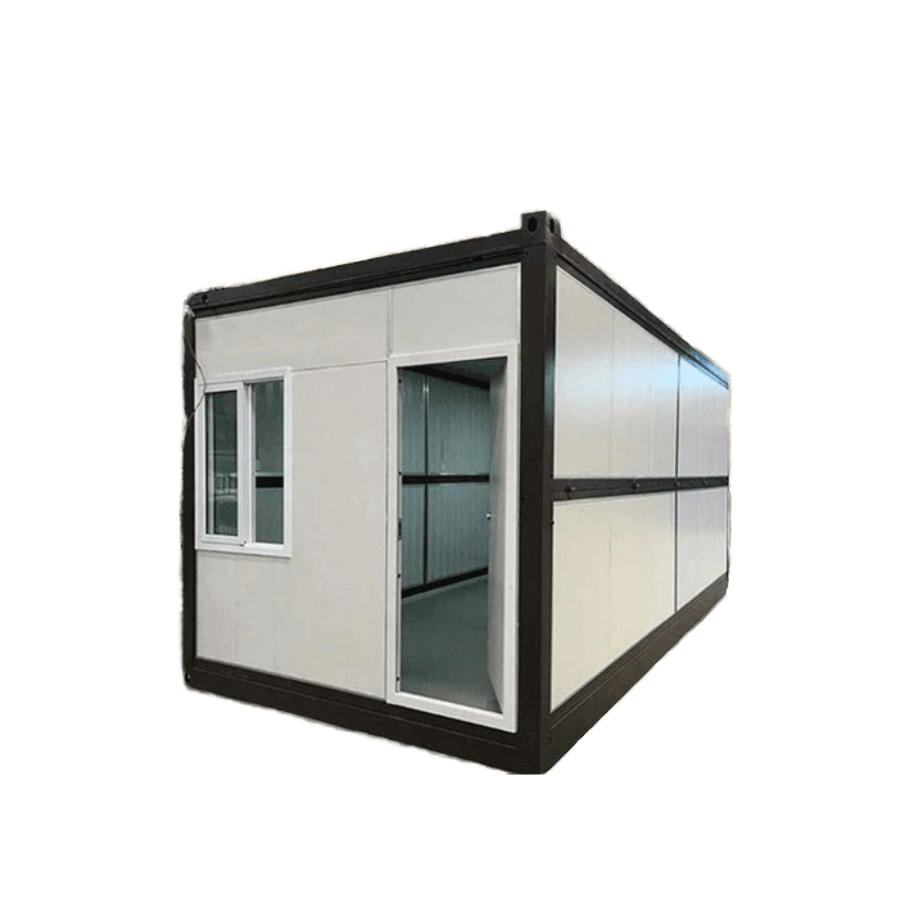
1. Artistic Design Enhances Aesthetics
The exterior design of mobile toilets breaks away from traditional monotonous styles by incorporating artistic elements, making them visual highlights in cities or scenic spots. For example, adopting retro architectural styles (such as antique tiles and eaves designs) or modern minimalist shapes (such as streamlined curves and geometric assemblies) enhances harmony with the surrounding environment. Some solutions integrate regional cultural characteristics, such as incorporating ethnic patterns or local iconic elements into the exterior, transforming them into carriers of cultural dissemination. This design not only meets functional needs but also elevates the aesthetic value of public spaces.
2. Smart Facilities Optimize User Experience
The application of technological means significantly enhances the convenience and comfort of mobile toilets. For instance, equipped with smart sensors for automatic door opening/closing and flushing, reducing the risk of contact transmission; built-in air purification systems use activated carbon filtration and UV sterilization technologies to continuously neutralize odors, combined with music playback functions to create a relaxed atmosphere. Some solutions employ microcomputer infrared sensing control to dynamically adjust the working mode of foam generators based on usage frequency, while synchronizing with lighting and ventilation fans to reduce energy consumption while ensuring functionality.
3. Modular Structure Enhances Flexibility
Modular design decomposes mobile toilets into independent functional units, such as water treatment modules, toilet space modules, and waste storage modules. For example, the water circulation treatment unit can be externalized for easy separate maintenance or upgrades; the waste collection module adopts a sealed container design, supporting rapid replacement and removal to minimize interference with the surrounding environment. This structure supports dynamic adjustment of deployment based on visitor traffic, seasonal changes, or heat distribution in scenic spots, such as increasing module quantities during peak tourist seasons and reducing occupied space during off-seasons.
4. Eco-Friendly and Energy-Saving Technologies Embody Green Principles
Reducing resource consumption and pollution emissions through low-carbon technologies is a core innovation direction. For example, adopting biodegradation technology for on-site treatment of excreta, avoiding transportation and secondary pollution; equipped with solar panels to power internal devices, combined with energy storage systems to achieve energy self-sufficiency. Some solutions introduce three-dimensional deodorization systems, using photocatalysts and negative ions to control odor concentration, with effects superior to national first-class public restroom standards, significantly enhancing the user experience.
5. Data-Driven Management Improves Operational Efficiency
Built-in sensors can monitor usage status (such as visitor traffic and equipment failures), inventory of sanitary supplies, and air quality in real-time, with data transmitted to the management backend via the Internet of Things. For example, the system automatically schedules cleaning staff based on usage frequency, avoiding resource waste caused by fixed schedules; combined with leasing or service procurement models, it reduces long-term construction investment and land occupation costs for scenic spots. This refined management model makes the operation of mobile toilets more efficient and sustainable.



