
Mobile Toilet Corner Protection
The main materials for mobile toilet corner protection include aluminum, red bricks, wooden keels, light steel keels, plastic扣板 (plastic trim panels), and aluminum-plastic panels, among others. Below is a detailed introduction to these materials:
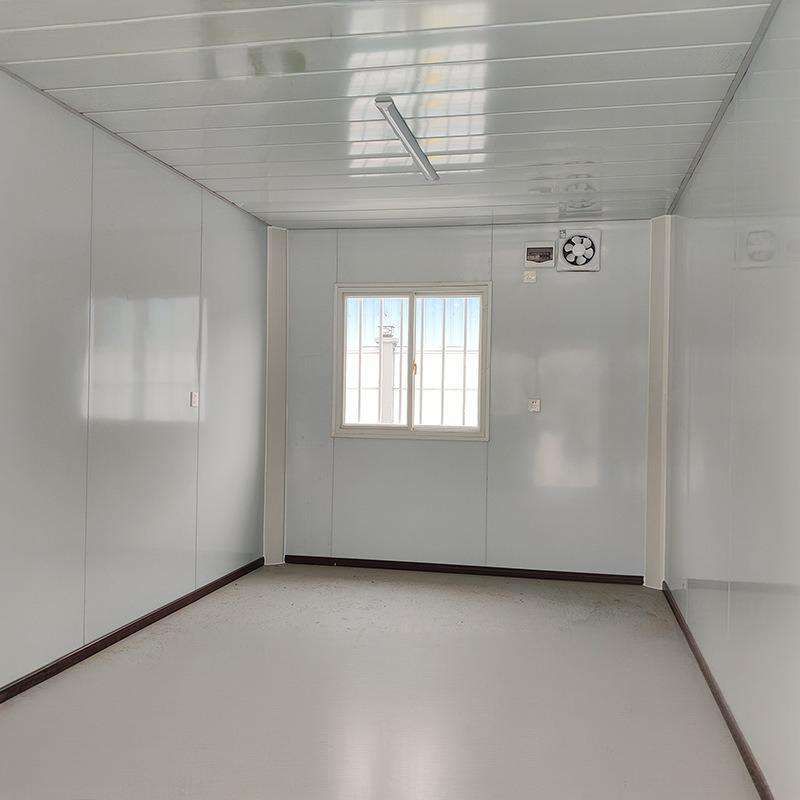
Aluminum:
Aluminum is a commonly used metal material for mobile toilet corner protection, especially in areas such as door frames, locks, and shutters. Common types of aluminum in the wholesale market include corner aluminum, which is lightweight, corrosion-resistant, and easy to process, making it suitable for the frames and decorative corners of mobile toilets. Aluminum can be extruded into U-shaped or L-shaped sections for easy installation and fixation, while providing good structural strength.
Red Bricks:
As a traditional building material, red bricks can also be used for corner protection in mobile toilets. Their advantages lie in their low cost and easy availability, along with a certain load-bearing capacity. However, red bricks are heavy, which may increase the overall load of the mobile toilet, and their construction period is relatively long, requiring the use of cement mortar. Therefore, they are more suitable for fixed toilets or scenarios sensitive to cost.
Wooden Keels:
Wooden keels are lightweight structural materials commonly used for the internal frames or decorative corners of mobile toilets. Their advantage is their ease of cutting and installation, allowing them to adapt to corner protection needs of irregular shapes. However, wood is susceptible to moisture and corrosion and requires moisture-proof treatment (such as painting with waterproof paint); otherwise, it may deform in humid environments, affecting its service life.
Light Steel Keels:
Light steel keels are metal frame materials with high strength, light weight, and corrosion resistance. In mobile toilet corner protection, light steel keels are often used to support walls or ceilings, and when used in combination with other materials (such as aluminum-plastic panels), they can enhance the overall structural stability. Their installation is convenient and suitable for industrial production, but their cost is slightly higher than that of wooden keels.
Plastic Trim Panels:
Plastic trim panels are lightweight decorative materials that can be used for corner coverage in mobile toilets. Their advantages include waterproofing, moisture resistance, and ease of cleaning, along with a variety of colors to meet different design needs. Plastic trim panels are installed using a snap-on method without the need for complex tools, making them suitable for quick renovation. However, their heat resistance is poor, and they may deform when exposed to sunlight for extended periods.
Aluminum-Plastic Panels:
Aluminum-plastic panels are composite materials consisting of an aluminum layer and a plastic core, combining the strength of metal with the lightness of plastic. In mobile toilet corner protection, aluminum-plastic panels are often used for wall or corner decoration, featuring corrosion resistance, fire resistance, and ease of processing. Their surfaces can be sprayed with different colors or textures to enhance aesthetics, but their cost is relatively high.



